

♥ Wishlist
Compare 325 verified Shop Sunscreen & Sun Care Products in India products in India. Reviews, ratings, pros, cons and buying advice updated for October 2026.


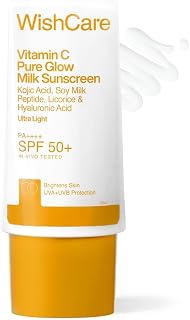


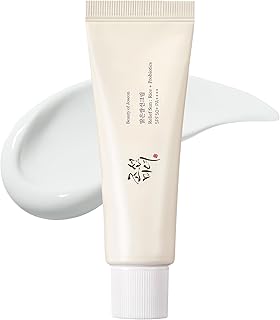
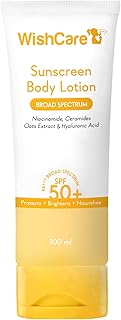



Choosing sunscreen in India is not simply a matter of selecting the highest SPF number. The right product should match your daily sun exposure, skin type, climate, activity level, preferred finish, and willingness to reapply. A sunscreen that feels comfortable enough to use consistently can be more useful in practice than a technically impressive formula that feels greasy, heavy, drying, or uncomfortable.
India's wide range of climates also makes sunscreen selection more individual. A lightweight gel may be convenient for humid conditions, while someone in a dry or cooler region may prefer a moisturizing cream or lotion. People who spend several hours outdoors, travel frequently, exercise, or commute by motorcycle may need different characteristics from someone who mainly works indoors.
This buying guide focuses on the factors worth comparing before purchasing sunscreen and related sun-care products in India. Product labels, formulations, pack sizes, prices, availability, and ingredient lists can change, so check the current packaging and retailer information before making a purchase.
SPF, or Sun Protection Factor, is primarily associated with protection against UVB radiation, which is strongly associated with sunburn. A higher SPF does not mean that a sunscreen can be applied once and forgotten for the entire day. Application amount, coverage, sweating, swimming, rubbing, and reapplication all affect real-world protection.
For everyday use, many consumers look for broad-spectrum sunscreen with SPF 30 or higher. People with substantial outdoor exposure may reasonably prefer higher SPF products, particularly when they can apply an adequate amount and reapply appropriately.
It is important not to interpret SPF as a percentage of total sunlight blocked. The numerical scale is not linear, and the difference between SPF ratings should not be used as a reason to neglect proper application.
UV radiation includes different wavelengths with different effects on skin. UVB is closely associated with sunburn, while UVA penetrates more deeply and contributes to photoaging and pigmentation-related concerns. For this reason, shoppers should look beyond SPF and look for evidence that a product provides broad-spectrum or UVA and UVB protection.
When comparing products, examine the complete label rather than relying solely on marketing phrases such as glow, brightening, anti-pollution, or outdoor protection. A useful sunscreen should clearly communicate its protection characteristics and directions for use.
The following brands and product families are commonly encountered when researching sunscreen in the Indian market. They represent different formulation approaches rather than a universal ranking. Suitability depends on individual skin and usage requirements.
Minimalist is worth considering for shoppers who want to compare modern sunscreen formulations with attention to texture and active ingredients. When assessing a specific Minimalist sunscreen, check the current SPF, UVA protection information, finish, ingredient list, and directions because formulations can vary between products and may be updated.
Re'equil offers sunscreen products aimed at different skincare preferences and usage situations. Its range is worth comparing when texture, finish, and intended skin type are important purchasing criteria.
La Shield is another established name encountered in Indian sunscreen searches. Its products can be considered by shoppers who want to compare different protection levels and formulation characteristics.
Fixderma Shadow products are frequently considered when shoppers are comparing facial sunscreens with different textures and finishes. The exact product variant matters, so read the current packaging rather than assuming all Shadow products have identical characteristics.
Aqualogica is particularly relevant to shoppers who prioritize lightweight textures and cosmetic appeal. A comfortable sunscreen can encourage regular use, but a pleasant finish should not replace examination of the product's actual protection claims.
Dot & Key provides several skincare products positioned around different skin concerns and cosmetic preferences. Its sunscreens can be included in a comparison when finish, feel, and skincare ingredients are important to the buyer.
Foxtale is another Indian skincare brand that shoppers may encounter when comparing contemporary facial sunscreen formulations. Buyers should evaluate individual products on protection claims, texture, skin compatibility, and application experience rather than relying solely on brand popularity.
The Derma Co has a broad skincare range, including several sunscreen formulations. This can make the brand useful for comparison shopping, particularly when different textures, actives, or product formats are available.
Neutrogena is a globally recognized skincare brand with sunscreen products that are often considered when consumers prioritize established sun-care positioning. The exact product and local formulation should always be checked before purchasing.
Bioderma's Photoderm range is another option to research when comparing sun-care products from established skincare companies. Different products within a range can have substantially different textures, intended uses, and protection characteristics.
There is no single sunscreen format that is universally best. The most suitable format is often the one that provides the required protection while remaining comfortable enough for consistent use.
Gel textures are often appealing to people with oily or combination skin because they can feel lighter than richer creams. They may also be comfortable in warm and humid conditions. However, a lightweight feel does not automatically indicate better protection, and users should still apply sufficient product.
Cream formulations may be useful for normal-to-dry skin or people who prefer a more moisturizing finish. They can also work well during dry weather. The potential drawback is that some richer creams may feel heavy or shiny, especially in hot conditions.
Fluid and lotion-like formulas can provide a lightweight cosmetic experience while spreading easily across the skin. Shake instructions, if present, should be followed carefully because formulation behavior varies between products.
Sticks are convenient for portability and reapplication, particularly around areas such as the nose or cheekbones. However, consumers should make sure enough product is deposited to provide meaningful coverage. A stick should not automatically be assumed to provide the same practical protection as a properly applied layer of lotion or cream.
One of the most important buying considerations is whether you will realistically apply enough product. Using a very small quantity can leave substantial areas under-protected even when the sunscreen has a high SPF rating.
For facial application, consumers commonly use the two-finger method as a practical visual guide: sunscreen is dispensed along the length of two fingers and used for the face and neck, with adjustments depending on individual facial size and product consistency. This is a convenient rule of thumb rather than a laboratory measurement.
Do not forget commonly exposed areas such as the ears, hairline, neck, and upper chest when they are uncovered. Lips require a suitable lip product with sun protection rather than ordinary facial sunscreen.
Sunscreen is not a once-a-day product when you are exposed to significant sunlight. Reapplication becomes particularly important after sweating, swimming, towel drying, or activities that rub the product away.
For ordinary outdoor exposure, follow the product's label directions and reapply as appropriate. If you spend much of the day outdoors, reapplication should be treated as part of the sun-protection routine rather than an optional skincare step.
People who remain indoors with minimal direct sunlight may have different practical needs from construction workers, athletes, delivery riders, travelers, or people spending several hours outdoors.
People with oily skin often prefer lightweight, non-greasy formulas with a finish that does not make the face appear excessively shiny. Gel, fluid, and lightweight lotion textures may be worth comparing.
However, labels such as non-comedogenic should not be treated as a guarantee that a product will never cause breakouts. Individual responses vary. If a particular sunscreen consistently causes irritation or congestion, changing the formulation may be more useful than simply selecting a higher SPF.
Dry skin may benefit from a sunscreen with a more moisturizing base. A cream or lotion can sometimes be more comfortable than a very dry-touch gel, particularly during cooler or dry weather.
There is no requirement to select a separate sunscreen solely because your skin is dry, but the formula should fit comfortably into the rest of your skincare routine. If moisturizer is already being used underneath sunscreen, a lighter sunscreen may be preferable to avoid excessive layering.
Sensitive skin requires more attention to formulation than marketing claims. Fragrance, certain preservatives, and particular filters may be problematic for some individuals, although tolerance is highly personal.
Mineral sunscreens generally use UV filters such as zinc oxide or titanium dioxide, while many other sunscreens use organic UV filters. The distinction is useful when comparing formulations, but neither category should automatically be described as universally superior.
Mineral formulas can be attractive to people with particular formulation preferences, while modern organic-filter formulas can offer elegant textures that are easy to spread and wear. The best choice depends on the complete formulation, protection characteristics, skin tolerance, and application habits.
Indian shoppers may encounter PA ratings on sunscreen packaging. PA is associated with UVA protection, and the number of plus signs indicates increasing levels within that rating system. Other products may communicate UVA performance using different labeling systems.
When comparing two sunscreens with similar SPF, the product offering clearer and stronger UVA protection may be preferable for people particularly concerned about tanning, pigmentation, and long-term photoaging.
If you exercise outdoors, swim, travel in hot weather, or work outside, water and sweat resistance becomes more relevant. Look for the manufacturer's specific water-resistance claim and follow its reapplication instructions.
Water-resistant does not mean waterproof. Sunscreen can still be removed by prolonged water exposure, sweating, towel drying, and friction. A water-resistant product therefore reduces one practical problem but does not eliminate the need for reapplication.
Men do not need a fundamentally different type of sunscreen. Skin type, facial hair, shaving habits, outdoor exposure, and cosmetic preference are more useful selection criteria than gender.
Someone with a beard may need extra attention when applying sunscreen around exposed facial skin. People who shave may prefer formulas that do not sting irritated or freshly shaved areas.
For makeup users, texture and pilling can be decisive factors. A sunscreen that rolls or flakes when layered with moisturizer, primer, foundation, or concealer can become difficult to use consistently.
Ingredient lists can help informed buyers understand why two products with similar SPF ratings may feel completely different. Look for the UV filters used, moisturizing ingredients, solvents, film-forming ingredients, preservatives, fragrance, and other components relevant to your skin.
Consumers should not assume that a longer ingredient list means a better sunscreen. Likewise, the presence of popular skincare ingredients such as niacinamide, hyaluronic acid, antioxidants, or botanical extracts does not automatically make a sunscreen more protective against UV radiation.
Before purchasing, inspect the product page and packaging carefully. A responsible comparison should consider the exact product name and variant, not just the brand.
When shopping online, compare the exact product variant rather than relying on photographs alone. Product images, packaging, formulations, and seller information can change over time.
The cheapest bottle is not necessarily the least expensive option over time. A better comparison considers the amount used per application, container size, frequency of reapplication, and whether the sunscreen is comfortable enough to use consistently.
For example, a larger bottle can offer better value for body application, while a smaller facial sunscreen may be more convenient for carrying in a bag. Comparing cost per millilitre can make different pack sizes easier to evaluate.
Face and body sunscreens can have similar UV-protection goals but very different cosmetic characteristics. Facial products often emphasize spreadability, finish, reduced greasiness, makeup compatibility, or specific skincare concerns. Body sunscreens may prioritize larger packaging and economical application.
For extensive outdoor exposure, buying separate face and body products may be practical if it encourages adequate coverage. There is no universal requirement to purchase a premium facial formula for every part of the body.
Daily sunscreen use is commonly recommended as part of a broader sun-protection strategy, particularly for exposed skin. Sunscreen should complement physical measures such as shade, clothing, hats, and sunglasses rather than being treated as the only defense against excessive UV exposure.
The amount of sun exposure differs considerably between individuals. A person who spends hours outside requires a more rigorous approach to sun protection than someone whose daily routine involves little direct sunlight.
Texture affects adherence to a routine. A sunscreen can have excellent specifications but still be a poor personal choice if it feels excessively sticky, pills under skincare, leaves an unwanted cast, causes eye discomfort, or makes the face uncomfortably oily.
When comparing products, think about the environments in which you will use them. A formula that works well during a dry winter commute may feel very different in a humid summer afternoon. Texture should therefore be evaluated in the context of your actual lifestyle.
A visible white cast can be associated with certain mineral UV filters, although the degree varies considerably with formulation, particle characteristics, concentration, skin tone, and application. Some modern formulas are designed to minimize visible residue.
If appearance is important, test the sunscreen on your skin before buying a large quantity when possible. Do not deliberately under-apply sunscreen simply to make the finish less visible.
Pilling occurs when a product forms small rolled particles on the skin instead of remaining as a smooth layer. It can result from interactions between skincare products, rubbing, incompatible textures, excessive layering, or formulation characteristics.
To reduce the problem, use reasonable quantities of each product, avoid excessive rubbing, and allow layers to settle. If pilling continues, compare the sunscreen with fewer or different underlying skincare products.
People with deeper skin tones may be particularly attentive to visible white cast. This makes cosmetic elegance a legitimate buying consideration, but it does not change the need for adequate UV protection.
Modern formulations vary considerably in how visible they appear across different skin tones. When possible, evaluate the finish on a representative area of skin rather than relying exclusively on promotional photographs.
Sunscreen helps reduce UV exposure, but no sunscreen should be interpreted as an absolute barrier against all tanning. Tanning can occur with UV exposure even when sunscreen is used. For people particularly concerned about pigmentation or tanning, consistent application, reapplication, clothing, shade, and other protective measures can all be relevant.
No. A higher SPF should not be used as permission to extend sun exposure indefinitely. Real-world protection depends on the amount applied, uniformity of coverage, reapplication, sweating, rubbing, water exposure, and other environmental factors.
Outdoor plans should therefore include shade and protective clothing where practical, especially during periods of strong sunlight.
Travel can change sunscreen requirements significantly. Beach holidays, hill travel, sightseeing, road trips, trekking, and city commuting each create different exposure patterns.
People who spend most of their day indoors may still experience sunlight while walking, driving, riding a two-wheeler, sitting near windows, or commuting. The appropriate routine depends on actual exposure rather than job title.
For regular commuting, convenience is especially important. A sunscreen that can be applied quickly and comfortably before leaving home is more practical than an elaborate routine that is difficult to maintain.
Customer reviews can provide useful information about texture, fragrance, packaging, consistency, and personal experiences, but they should not be treated as laboratory evidence of SPF performance.
When reading reviews, look for recurring observations rather than relying on a single enthusiastic or negative comment. Give greater weight to reviews that clearly identify the exact product variant and describe how it was used.
When two products appear similar, use a structured comparison instead of choosing based on branding alone.
A sunscreen may not be a good personal fit if it consistently causes burning, itching, persistent irritation, excessive breakouts, or an unpleasant finish that prevents regular use. Switching to a different formulation can be reasonable.
If you experience a significant or persistent skin reaction, do not continue experimenting indefinitely. A qualified dermatologist or other appropriate healthcare professional can help determine the cause.
Follow the manufacturer's storage instructions and pay attention to the product's expiry information. Excessive heat can be particularly relevant in India's climate, so avoid storing sunscreen in places where temperatures may become unusually high unless the manufacturer specifically permits it.
Changes in color, smell, texture, or separation can be reasons to inspect the product carefully and consult the manufacturer's guidance rather than assuming it remains suitable.
Not necessarily. One well-tolerated sunscreen may work throughout the year. However, changing climate and skin behavior can make a different texture more comfortable in different seasons.
Someone with oily skin may prefer a lighter formula during hot, humid months and a more moisturizing product during dry weather. This is a comfort and routine consideration rather than a requirement.
Sunscreen works best as one component of a broader sun-protection strategy. During prolonged outdoor exposure, shade, umbrellas, hats, sunglasses, and clothing that covers exposed skin can reduce the amount of direct sunlight reaching the body.
For activities such as trekking, sports, beach visits, or outdoor work, combining sunscreen with physical protection is particularly practical because sunscreen alone is easy to remove through sweat, water, and friction.
There is no single sunscreen that is best for every Indian consumer. A suitable choice should provide appropriate broad-spectrum protection while matching your skin type, climate, outdoor exposure, preferred finish, and budget. Brands such as Minimalist, Re'equil, La Shield, Fixderma, Aqualogica, Dot & Key, Foxtale, The Derma Co, Neutrogena, and Bioderma are among the names worth comparing, but the exact product variant matters.
SPF 50 provides a higher level of measured UVB protection than SPF 30 when tested under the relevant conditions. However, neither rating eliminates the need for adequate application and reapplication. A sunscreen with an appropriate SPF that is applied properly and used consistently can be more useful than a higher-SPF product that is applied inadequately.
Yes, sunscreen can form part of a daily skincare and sun-protection routine. The amount and frequency of application should reflect actual exposure and the product's directions.
The need depends on your environment and exposure. People who spend time near strong sunlight, commute outdoors, sit in direct sunlight, or move between indoor and outdoor environments may benefit from incorporating sunscreen into their daytime routine.
No. Price does not by itself establish superior protection. Compare protection claims, formulation, ingredients, texture, quantity, suitability, and usability.
Follow the product's directions and consider exposure conditions. Sweating, swimming, towel drying, and rubbing can reduce protection and make earlier reapplication necessary.
Yes. Many people use moisturizer before sunscreen, particularly when their skin is dry. If the sunscreen itself is sufficiently moisturizing, an additional moisturizer may not be necessary.
Some people may experience breakouts or congestion with particular formulations. This does not mean sunscreen itself is universally acne-causing. If a product repeatedly causes problems, compare a different texture or formulation.
Sunscreen primarily helps reduce further UV exposure. It should not be treated as an instant treatment for existing pigmentation. Persistent pigmentation concerns may require assessment by a dermatologist, particularly when the cause is uncertain.
Cloud cover does not eliminate UV exposure. If you are spending time outdoors, sun protection can remain relevant even when the sky does not appear bright and sunny.
Some body sunscreens may be suitable for facial use, but facial skin can be more sensitive to texture, fragrance, and other formulation characteristics. Check the manufacturer's intended use and choose a product that you can comfortably apply in sufficient quantity.
Follow appropriate first-aid guidance for eye exposure and the product's instructions. Persistent pain, significant redness, visual changes, or continuing irritation warrants prompt medical attention.
The strongest sunscreen purchase is not necessarily the one with the most marketing claims or the highest price. Start with appropriate broad-spectrum protection, then narrow your options according to skin type, texture, climate, outdoor exposure, application habits, and budget.
For an Indian buyer, the practical test is whether the sunscreen fits real daily life. A lightweight formula may be preferable in humid weather, a richer formula may be more comfortable for dry skin, and a water-resistant option may make more sense for sport or extended outdoor exposure. For every purchase, verify the current product label, ingredients, protection claims, pack size, seller information, and current customer feedback.
Prices, stock status, packaging, formulations, and retailer listings can change during 2026. Before purchasing, compare current specifications and reviews from reputable retailers rather than relying on an older product description or an outdated recommendation.