

♥ Wishlist
Compare 61 verified Shop Sofa Sets Online in India products in India. Reviews, ratings, pros, cons and buying advice updated for October 2026.


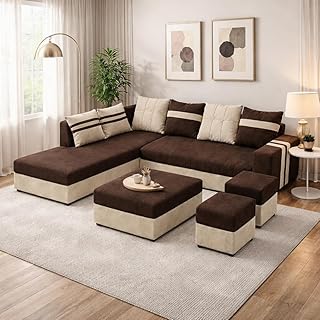


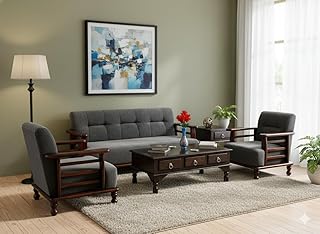


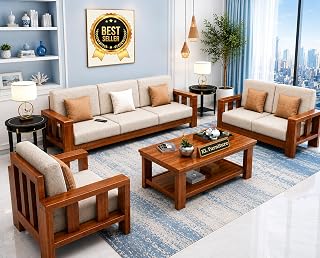

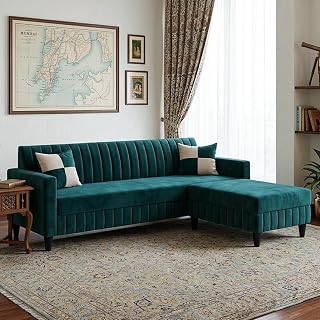


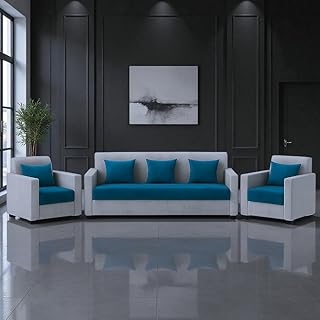


Buying a sofa set for an Indian home involves more than choosing an attractive colour or selecting the largest seating arrangement that fits the room. A sofa is a high-use piece of furniture that affects comfort, room layout, cleaning requirements, durability and the overall appearance of a living space. The right choice depends on the size of the room, number of users, seating habits, available floor area, climate, upholstery, frame construction, cushion design and the amount of maintenance you are prepared to do.
This guide is intended to help shoppers compare sofa sets available in India using practical criteria rather than relying only on photographs, star ratings or promotional descriptions. Before buying, compare the complete specifications, dimensions, materials, seating capacity, customer feedback and applicable retailer terms for the exact model and configuration.
A good sofa set should provide an appropriate balance between comfort, structural strength, appearance and practicality. No single sofa is ideal for every household. A compact two- or three-seater may be more suitable for an apartment than a large sectional, while a spacious family living room may benefit from a larger combination of seating.
Traditional two- and three-seater arrangements are among the easiest configurations to fit into Indian living rooms. They provide straightforward seating without requiring the floor area of a large sectional. A three-seater can work well as the primary sofa, while a separate chair or compact loveseat can provide additional seating when space permits.
When comparing these designs, check whether the published width includes the arms and whether the stated dimensions apply to one sofa or the complete set.
A three-seater paired with one or two single seats offers flexibility because the individual pieces can be repositioned. This can be useful in homes where the living-room arrangement changes for guests, family gatherings or cleaning.
L-shaped sofas can make efficient use of corners and provide substantial seating in a single furniture arrangement. However, they require more careful planning than conventional sofas. Measure both sides of the L rather than relying on the main width alone.
Also determine whether the chaise or extended section is on the left or right when viewed from the intended orientation. A configuration that looks suitable in a product photograph may not work in the room if the longer section occupies the wrong side.
Sectionals are useful for larger rooms and households that want generous seating in one continuous arrangement. Their main disadvantage is reduced flexibility when the room layout changes. A sectional can also be difficult to manoeuvre through narrow corridors, staircases and doorways.
A sofa bed can be useful in apartments or homes without a dedicated guest room. The mechanism, mattress or sleeping surface, conversion process and available floor clearance deserve particular attention. If the sofa will be used for sleeping frequently, do not evaluate it solely as a seating product.
Measurements are among the most commonly overlooked sofa-buying considerations. A sofa can technically fit inside a living room while still making the room uncomfortable to use.
Start by measuring the intended wall or seating zone. Then consider the walking route around the sofa. Doors, windows, balconies, television units, coffee tables and other furniture can significantly reduce usable space.
Use the sofa's actual published dimensions to mark its footprint on the floor with masking tape or removable markers. This simple exercise can reveal whether the proposed arrangement feels too large before you place an order.
A sofa that fits the living room may still be difficult to bring into the property. Measure entrance doors, internal doors, stairway turns, lift dimensions and other restricted areas. For modular sofas, check the dimensions of each individual component rather than only the assembled dimensions.
The frame supports the seating system and upholstery, so its construction should be considered when comparing products. Product descriptions may mention materials such as engineered wood, solid wood, plywood or combinations of materials. The presence of a particular material does not automatically establish overall quality because thickness, joinery, design and construction methods also influence structural performance.
Wood-based frames are widely used in upholstered furniture. When specifications are available, look for clear information about the frame material instead of relying on vague descriptions such as premium wood or strong wood.
Engineered wood can be used effectively in furniture construction, but shoppers should look at the complete construction rather than treating the material name as the sole indicator of durability.
Cushion construction has a major effect on how a sofa feels. Two sofas with similar dimensions can have noticeably different seating characteristics because of differences in foam, fibre, springs or other filling systems.
Foam is commonly used in sofa seats because it can provide consistent support. Density is more useful for comparison than simply seeing the word high-density in a product description. Where the manufacturer publishes technical specifications, compare the actual information between models.
Fibre-filled cushions can offer a softer, more relaxed feel. They may require periodic adjustment or reshaping depending on their construction and use.
Some sofas incorporate spring systems beneath the cushions. The type and construction of the spring system can affect support and resilience, so look for detailed specifications rather than assuming that every spring-supported sofa provides the same experience.
Firmness is subjective. A shopper who prefers an upright sitting position may favour a firmer seat, while someone who spends long periods reclining may prefer a softer, deeper design. Customer feedback can help identify recurring comments about firmness, but individual comfort should not be treated as universally predictable.
Fabric sofas are popular because they are available in many colours, textures and patterns. Fabric can create a warm appearance and offers extensive styling options. However, the exact fabric type matters when assessing stain resistance, cleaning requirements, texture and everyday wear.
For households with children or frequent guests, examine cleaning instructions carefully. A visually attractive light-coloured fabric may require more attention than a darker or patterned alternative.
Leatherette can provide a leather-like appearance without using natural leather. It is available in a variety of finishes and can be relatively straightforward to wipe clean, depending on the specific material. Heat, prolonged exposure to sunlight and cleaning products can affect different synthetic surfaces differently.
Natural leather has a distinctive appearance and can develop character over time, but it usually requires more deliberate care. Buyers should verify the exact leather type and finish because the term leather alone does not provide enough information to compare construction or maintenance requirements.
India's climate varies considerably, so the most suitable upholstery can differ between regions and homes. In warmer environments, breathability and surface feel may be important. In humid areas, ventilation, cleaning and moisture management deserve additional consideration.
Sun exposure should also be considered. A sofa positioned directly beside a bright window may experience more colour change or material stress than one placed away from strong sunlight. Curtains, blinds and sensible furniture positioning can help reduce prolonged direct exposure.
Colour should be selected in relation to the entire room rather than the sofa alone. Neutral colours such as grey, beige, cream and brown can work with a wide range of interiors, while stronger colours can become a focal point.
Comfort should be evaluated systematically rather than by looking at a product photograph. Pay attention to seat depth, back angle, cushion firmness and armrest design.
Deeper seats generally provide a more relaxed lounging position, while shallower seats can encourage a more upright posture. The best depth depends on body proportions and intended use.
A high back can provide more upper-body support, while a low-profile sofa may create a cleaner contemporary appearance. If the sofa will be used for extended periods, back support should be prioritised over purely decorative styling.
Armrests influence both comfort and usable seating width. Very wide arms can make a sofa appear substantial while reducing the actual area available for sitting.
Loose cushions can be easier to rearrange and maintain, while fixed cushions can provide a cleaner, more structured appearance. Check whether covers can actually be removed and whether the manufacturer provides washing or cleaning instructions.
Prioritise compact dimensions, useful seating capacity and easy movement around the furniture. A smaller three-seater, loveseat combination or compact L-shaped design may be more practical than an oversized set.
Larger rooms can accommodate sectionals or multi-piece combinations, but the goal should still be balanced proportions. Excessively small furniture can make a large room feel empty, while an oversized sectional can obstruct circulation.
Focus on durable upholstery, comfortable seating, easy cleaning and a configuration that accommodates the number of regular users. A practical mid-tone upholstery can be easier to maintain than delicate light colours in a busy household.
Look for upholstery with clearly stated cleaning instructions and a construction suitable for frequent everyday use. Avoid choosing a sofa solely because it looks luxurious in a product photograph.
Consider how easily hair, dust and accidental marks can be removed. Surface texture, weave, cushion design and the ability to clean individual areas can all influence everyday practicality.
When comparing sofa sets online, place the specifications of competing models side by side. Amazon and established furniture retailers can display product information differently, so do not compare only the headline title.
Customer reviews are useful, but the highest-rated review is not necessarily the most informative one. Look for repeated comments that relate to your intended use.
Useful review themes include comfort after regular use, firmness, actual colour compared with the listing photographs, ease of assembly, dimensions, packaging, stability, upholstery feel and long-term observations. A single complaint or compliment should not automatically determine the buying decision.
Pay particular attention to reviews that explain the context. A sofa described as too firm by one buyer may be exactly right for another person who prefers strong support.
Photographs cannot reliably communicate seat firmness, actual scale, fabric texture or long-term maintenance requirements. Attractive styling should be only one part of the decision.
Descriptions such as compact, spacious or apartment-friendly are less useful than numerical dimensions. Measure the intended location before comparing models.
Large furniture can create delivery and installation problems when the route into the home has narrow doors, tight corners or limited lift capacity.
Always establish whether the extended chaise or corner section is positioned on the left or right in the configuration you require.
Everyday use eventually produces dust, stains and surface wear. Consider the cleaning method before selecting a delicate upholstery colour or material.
Price alone does not reveal frame construction, foam specifications, upholstery quality or manufacturing details. Compare the technical specifications and included features instead.
A numerical rating is a useful starting point, not a complete quality assessment. Read a representative selection of recent and detailed reviews to understand recurring strengths and weaknesses.
At the lower end of the market, prioritise structural stability, adequate dimensions, practical upholstery and clearly stated specifications. It can be better to choose a simpler design with sensible construction than to spend the available budget on decorative features.
In the mid-range segment, compare frame construction, cushion specifications, upholstery quality, design details and included components. This is also the stage where small differences in dimensions and comfort can make one model considerably more suitable than another.
For higher-priced products, buyers should expect more detailed material and construction information. Examine the reason for the price difference rather than assuming that premium appearance automatically means superior durability.
Cushions can experience uneven compression when the same seating positions are used repeatedly. Where the design permits, changing cushion positions can distribute wear more evenly. Loose cushions may also benefit from occasional reshaping according to the manufacturer's recommendations.
Do not wash removable covers simply because they can be removed. Check the care label first. Some fabrics require specific washing temperatures, professional cleaning or other handling methods.
Some online sofa sets arrive fully assembled, while others require attachment of legs, arms, sections or other components. Check the product listing for the exact assembly requirements before ordering.
If assembly is required, verify whether tools are needed and whether the furniture can be assembled in the intended room. For modular or sectional furniture, understand how the individual sections connect and whether the arrangement can later be changed.
When comparing sofa sets, shoppers may encounter established names such as Wakefit, Sleepyhead, Urban Ladder, Pepperfry, WoodenStreet and IKEA, along with numerous specialist and regional furniture brands. Brand familiarity can be useful, but it should not replace product-level comparison.
For every brand, evaluate the particular sofa model's construction, materials, dimensions, specifications, customer feedback and applicable retailer terms. Different products from the same company can have substantially different designs and materials.
A useful comparison should not simply rank products from one to ten. Instead, assign importance to the characteristics that matter most for your household. For example, a compact apartment owner may give dimensions and manoeuvrability greater importance, while a large family may prioritise seating capacity and upholstery durability.
Use the following decision sequence when comparing shortlisted models:
A sofa can have a large overall width but relatively little usable seating area if its arms are unusually wide. Compare the actual seating width whenever that specification is available.
Multiple back cushions can offer a softer, more relaxed appearance, while a continuous back can provide a different support feel. Cushion arrangement also affects how easy it is to maintain the sofa's appearance.
The space beneath the sofa influences cleaning access and visual weight. A raised-leg design may make the room appear more open, while a low-base sofa can create a more grounded appearance.
Modular components can be advantageous if you expect to rearrange furniture in the future. Check whether individual pieces are designed to be used independently and how they connect when combined.
A coordinated sofa set is not automatically the most efficient solution. A buyer with a very small living room may obtain better results from one compact sofa and one lightweight chair. Someone who frequently rearranges furniture may prefer independent pieces over a large sectional. A home with frequent overnight guests may benefit from a sofa bed instead of dedicating the entire room to conventional seating.
The best purchase is therefore the configuration that fits the household's actual use, not necessarily the largest or most elaborate set.
There is no universally best sofa set for every Indian home. The right choice depends on room size, seating requirements, budget, upholstery preference, comfort, construction and maintenance needs. Compare several models using the same specifications before deciding.
A compact two- or three-seater is often easier to accommodate than a large sectional. Measure the complete sofa dimensions and preserve sufficient space for movement around the furniture.
An L-shaped sofa can be an excellent option when the room has a suitable corner and enough floor area. Check both dimensions and the orientation of the extended section before purchasing.
Maintenance depends on the exact upholstery material and manufacturer instructions. Some synthetic surfaces can be wiped more easily than certain fabrics, but shoppers should always check the care instructions for the specific model.
Neither is universally better. Fabric offers a broad range of textures and can provide a softer visual character, while leatherette can offer a smooth, leather-like finish and may be convenient for certain cleaning routines. Consider climate, usage, appearance and maintenance before choosing.
There is no single lifespan that applies to every sofa. Durability depends on frame construction, cushion materials, upholstery, frequency of use, user load, maintenance and environmental conditions. Treat specific manufacturer information as more useful than a generic lifespan promise.
Check dimensions, frame material, upholstery, cushion construction, seating capacity, included components, assembly requirements, customer feedback and current retailer terms. Also measure the route through which the sofa must enter the home.
Ratings are useful as one signal, but they should not be the only deciding factor. Detailed reviews can reveal recurring comments about comfort, colour, dimensions, assembly and everyday use that a numerical rating cannot explain.
Mid-tone neutral colours are often practical because they can coordinate with many interiors and may be more forgiving of everyday marks than very light upholstery. However, the best colour depends on the room, household and cleaning habits.
No. A higher price does not by itself prove superior construction. Compare frame materials, upholstery, cushion specifications, dimensions, design, included components and available product information before judging value.
The strongest sofa purchase is one that remains comfortable and practical after the excitement of the initial purchase has passed. Start with the room and your daily habits, then work backwards to the appropriate size, configuration, upholstery and construction.
Before selecting one of the top sofa sets on your shortlist, compare the complete specifications rather than relying on photographs or headline claims. Check the current listing, read verified customer feedback, compare competing models and confirm measurements at the time of purchase. For Indian homes, factors such as available floor space, access to the property, climate, cleaning requirements and the number of regular users can be just as important as design.
Whether you are looking for a compact sofa for an apartment, a family-sized three-seater arrangement, an L-shaped sectional or a sofa bed for occasional guests, a careful comparison will make it easier to identify the model that offers the most suitable combination of comfort, construction, appearance and everyday usability.