

♥ Wishlist
Compare 304 verified Makeup Products Online for Every Beauty Look products in India. Reviews, ratings, pros, cons and buying advice updated for October 2026.


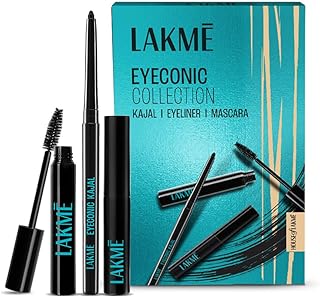




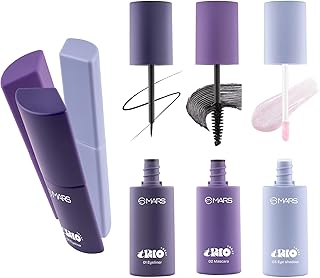


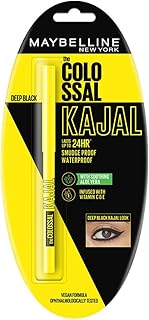
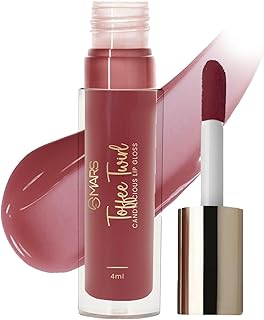


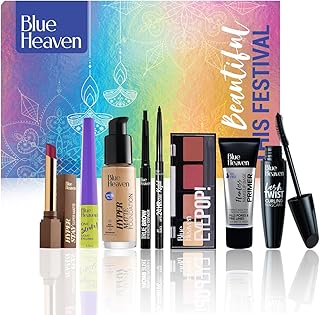


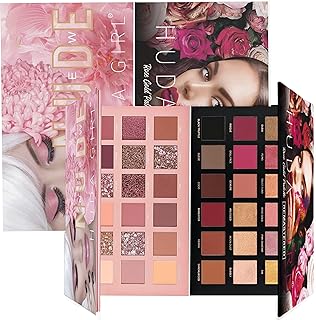


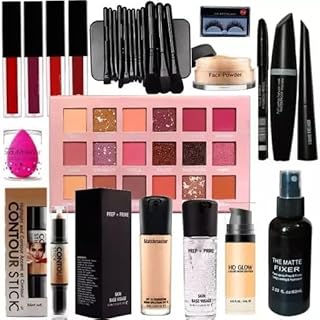


Choosing the best makeup products in India is less about finding one universally perfect product and more about matching formulas, shades, finishes and wear characteristics to your skin type, climate, routine and budget. A product that performs well for a dry-skin user in a mild climate may not be the right choice for someone with oily skin living in a hot and humid region.
This buying guide is designed to make product comparison easier. Instead of judging makeup only by brand popularity or star ratings, consider formulation, ingredients, shade selection, application method, expected wear time, finish, packaging and suitability for your individual needs.
India's varied climate makes makeup selection particularly important. Heat, humidity, monsoon moisture, dry winter air and strong sun exposure can all affect how makeup looks and feels during the day. Your ideal combination may therefore include different formulas for different seasons rather than relying on exactly the same products throughout the year.
Makeup can behave differently in high heat and humidity than it does in an air-conditioned room. Foundation may become more noticeable around the T-zone, lipstick can transfer more easily, and powder can become uncomfortable when applied too heavily. In humid conditions, thinner layers and strategic setting are often more practical than applying a large amount of every product.
During colder or drier months, excessively matte formulas may emphasize texture. A more moisturizing base and carefully placed powder can provide a more comfortable result.
Foundation is one of the most shade-sensitive makeup purchases. A good match should be evaluated against both skin depth and undertone rather than selecting a shade solely because its name sounds close to your complexion.
Shade descriptions vary between manufacturers, so do not assume that a particular shade number from one brand will correspond to the same shade number from another. Brands such as Maybelline, Lakmé, L'Oréal Paris, M.A.C and Kay Beauty use their own shade systems and product formulations.
Higher coverage is not automatically better. Applying more foundation than necessary can make texture more visible and may feel heavier in warm weather. Buildable formulas can be particularly useful because they allow coverage to be increased only where needed.
Concealer selection depends on the area being treated. Under-eye concealing and spot concealing have different requirements, so one shade and texture may not perform equally well for both purposes.
Powder can help control shine, reduce unwanted tackiness and improve the longevity of certain makeup layers. However, the amount and placement matter. Applying powder over the entire face in a thick layer can produce a dry or heavy appearance.
For oily areas, a finely milled setting powder can be useful. Pressing a small amount onto the T-zone may provide better control than repeatedly brushing large quantities over the face.
Pressed compact powders are convenient for carrying in a handbag and making touch-ups. Loose powders can be useful when you want more control during initial application. The better choice depends on your routine rather than the packaging format alone.
Complexion products influence how natural or sculpted the finished look appears. Shade selection should account for your preferred makeup style as well as your complexion.
Powder blushes can be convenient for users who prefer a traditional powder routine, while cream and liquid blushes can create a more dewy-looking finish. If you already use a luminous base, a strongly reflective blush may be unnecessary. Conversely, a matte complexion can benefit from a subtle cream or satin-finish blush if you want additional dimension.
Bronzer is intended to add warmth and dimension rather than simply making the face look darker. Avoid choosing an excessively orange shade if your natural undertone does not complement it.
Highlighter should be evaluated by particle size, reflectivity and finish. A very intense highlighter can emphasize skin texture, while a softer satin product may be easier to use for everyday makeup.
An everyday makeup collection does not need dozens of products. A practical routine can be built around a small group of versatile items that work together.
This approach can reduce unnecessary purchases and makes it easier to identify which products genuinely add value to your routine.
For daily use, comfort and ease of application are usually more important than maximum coverage. A lightweight base, targeted concealing, controlled powder application and a natural blush can create a polished appearance without requiring a complicated routine.
For office environments, consider products that are easy to touch up and do not require frequent reapplication. For college or casual use, multipurpose products can reduce the number of items you need to carry.
Special-event makeup places greater emphasis on longevity, photography and layering. This does not necessarily mean choosing the heaviest available formulas.
Primer is useful when it solves a specific problem. Smoothing primers may help create a more even surface, hydrating primers can complement drier skin, and other formulas are designed around shine control or makeup longevity.
Primer is not mandatory for every makeup routine. If your moisturizer and complexion product already perform comfortably together, adding another layer may provide little practical benefit.
Eye makeup requires different buying considerations from complexion products because pigment intensity, blendability, texture, wear and application method all affect the final result.
When comparing an eyeshadow palette, do not judge it only by the number of shades. Consider whether the colors actually suit your wardrobe and routine. A smaller palette containing frequently used neutrals may offer more practical value than a much larger palette filled with shades you rarely wear.
Choose eyeliner based on application preference. Pencil liners are generally straightforward for softer definition, liquid liners can produce sharper lines, and gel formulas occupy a middle ground depending on the product.
For beginners, ease of control may be more important than maximum pigmentation. For long days or humid conditions, also consider the formula's resistance to smudging while remembering that no product should be expected to perform identically under every condition.
Mascara claims usually focus on volume, length, definition, curling or combinations of these effects. Compare the brush shape as well as the formula. A larger brush may be useful for quickly coating many lashes, while a narrower brush can offer greater control around smaller lashes and corners.
Lip products vary considerably in finish and comfort. Matte lipstick can provide a defined appearance but may feel less comfortable on dry lips. Cream and satin formulas can offer a softer finish, while glosses and lip oils emphasize shine.
Before purchasing a bold lip color, consider whether you already own complementary lip liners and whether the shade works with the rest of your makeup. A versatile nude, pink, berry or red can sometimes provide more practical value than a large collection of highly specific shades.
Application tools can significantly influence the appearance of makeup. However, you do not necessarily need a large professional brush collection.
When choosing tools, inspect the density, softness, shape, construction and ease of cleaning. A smaller collection of durable, frequently cleaned tools is often more useful than a large set containing brushes you rarely use.
Makeup should be evaluated as a cosmetic formulation rather than simply by marketing claims. Read the ingredient list when you have known sensitivities or specific formulation preferences.
Terms such as “natural,” “clean,” “long-lasting,” “hydrating,” “matte” and “dermatologically tested” should not automatically be interpreted as meaning a product is suitable for everyone. Look at the actual formulation and consider how it fits your skin and routine.
If you have a history of cosmetic reactions, examine the complete ingredient list and follow advice from an appropriately qualified healthcare professional when necessary.
Good makeup hygiene is an important part of product selection and everyday use. Cosmetics that come into direct contact with the eyes and mouth deserve particular attention.
Brand recognition can help narrow the field, but it should not replace product-level comparison. Maybelline, Lakmé, L'Oréal Paris, M.A.C, Colorbar, Faces Canada, SUGAR Cosmetics, Kay Beauty and Swiss Beauty offer products across different categories and price segments, but the suitability of an individual product depends on its formulation, shade range and intended use.
When comparing brands, consider the following:
Customer reviews can provide useful information, but ratings alone are not enough to determine whether a makeup product is right for you. A five-star rating does not tell you whether the shade matches your undertone or whether the finish suits your skin type.
Look for repeated patterns in customer feedback. Useful review details include comments about shade accuracy, texture, blending, packaging, pigmentation, comfort, transfer, application and suitability for different skin types.
Be cautious about conclusions based on a small number of reviews or reviews that do not describe how the product was used. Makeup performance can vary significantly according to preparation, application technique, climate and individual skin characteristics.
Before purchasing makeup online in India, compare the actual product specifications rather than relying only on promotional descriptions.
One of the most common mistakes is choosing a shade based solely on a product image. Screen brightness, photography, lighting and individual undertones can all affect how a shade appears. Use the manufacturer's shade information and compare multiple references whenever possible.
More coverage is not inherently better. If your objective is a natural daily look, a lighter or buildable formula may be more appropriate and easier to maintain.
A foundation can be close to your skin depth and still appear incorrect if its undertone does not work with your complexion.
A large palette can appear attractive, but unused shades do not provide much practical value. Prioritize colors you will realistically use.
Ratings provide a broad signal, not a personalized recommendation. Read the review details and compare feedback from users with similar requirements.
Packaging affects everyday convenience. Pumps, tubes, palettes, doe-foot applicators and compact cases each have different practical advantages. Consider how easily the product can be carried, dispensed and stored.
The most expensive product is not automatically the best value. A sensible budget should consider frequency of use, product quantity, performance requirements and how often the product will need replacement.
For a limited budget, prioritize products that have the greatest effect on your routine. A suitable complexion product, versatile lip color and reliable mascara may be more useful than purchasing numerous specialized items at the same time.
Conversely, if a particular product is used every day, spending more on a formula that better matches your needs may make sense. Compare cost against actual usage rather than comparing sticker prices alone.
A minimal kit can cover most everyday situations without requiring a large collection.
Once these essentials are covered, add specialist products only when they solve a genuine need.
Age alone should not determine which cosmetics someone should use. Skin characteristics, personal preference and desired finish are more useful considerations.
People who prefer a natural appearance may value lightweight, skin-like formulas. Users who want strong definition may prioritize pigmentation and longevity. Those with visible dryness may prefer products that do not emphasize texture, while users concerned primarily with shine may prefer a more controlled finish.
Beginners should prioritize products that are forgiving and easy to apply. Buildable coverage, neutral shades and versatile formulas can reduce the learning curve.
Long-lasting makeup is influenced by skin preparation, formula compatibility, application technique and environmental conditions. Applying every product more heavily is not an effective universal solution.
Makeup performance can be affected by what is applied underneath it. Heavy or incompatible skincare layers may cause pilling, uneven application or excessive shine.
When testing a new makeup product, consider testing it with the skincare routine you normally use rather than evaluating it in isolation. If a product pills, check whether the issue is caused by the makeup formula, the amount applied, drying time between layers or interaction with another product.
Online shopping provides access to a wide selection, but makeup requires more careful product verification than many other categories because color and formulation are difficult to assess from a screen.
Unclear product information should be treated as a reason to investigate further. A listing that does not clearly identify the exact shade, quantity, variant or manufacturer information makes meaningful comparison more difficult.
Be particularly careful when the title, images and specifications appear to describe different versions of a product. Compare the model or variant information carefully before placing an order.
There is no single best makeup brand for every shopper. Different brands can be stronger in different categories, finishes and price segments. Maybelline is widely recognized for accessible makeup options, while Lakmé has a broad presence in the Indian cosmetics market. L'Oréal Paris offers products across complexion, eye and lip categories, and M.A.C is often considered when shoppers want a broad range of professional-oriented color options.
Other brands worth comparing include Colorbar, Faces Canada, SUGAR Cosmetics, Kay Beauty and Swiss Beauty. Rather than selecting a brand based solely on reputation, compare the individual product's formulation, shade selection, ingredients, quantity and customer feedback.
When two products appear similar, identify the feature that matters most to your use case. For foundation, this may be shade match and finish. For mascara, it may be brush design and the type of effect you want. For lipstick, finish and comfort may be more important than packaging.
A useful comparison method is to rank products against your top three requirements rather than trying to find one product that wins every category. This prevents minor differences in packaging or marketing claims from outweighing practical performance factors.
There is no single best makeup product for everyone. The right choice depends on the category, skin type, shade, desired finish, budget and intended use. Compare products according to your specific requirements instead of relying on a universal ranking.
Brands such as Maybelline, Lakmé, L'Oréal Paris, M.A.C, Colorbar, Faces Canada, SUGAR Cosmetics, Kay Beauty and Swiss Beauty are among the brands shoppers may encounter when comparing makeup products in India. Product-level suitability matters more than brand name alone.
Consider both skin depth and undertone. Compare the manufacturer's shade descriptions and, where possible, use reliable shade references. Avoid assuming that a shade number will match across different brands.
Look for formulas that provide the finish and level of shine control you prefer without feeling excessively heavy. Strategic powder application can also be useful. The best formula depends on individual skin behavior and climate.
Hydrating or comfortable formulas can be preferable, especially when dry patches are visible. Proper skincare preparation is also important because even a suitable foundation can look uneven when applied over poorly prepared skin.
No. Price does not guarantee that a product will have the right shade, finish or formula for you. Compare formulation, quantity, performance requirements and customer feedback before deciding whether a higher-priced option provides meaningful additional value.
Not necessarily. A smaller collection of versatile products can be easier to learn and may prevent spending money on shades or product categories you rarely use.
Cleaning frequency depends on the type of brush, frequency of use and products applied with it. Brushes used with liquid and cream products generally require particularly regular cleaning. Follow appropriate care instructions and allow brushes to dry thoroughly.
Match the exact product name, shade, variant, quantity and packaging information across the listing and manufacturer information where available. Do not rely only on the main product photograph.
Ratings are useful as one signal but should not be the sole decision factor. Read detailed reviews, look for recurring patterns and prioritize feedback that explains the buyer's skin type, shade, usage and expectations.
No cosmetic recommendation can guarantee suitability for every individual. Skin type, allergies, sensitivities, undertone, climate and personal preferences differ. Always review product information and ingredients before buying when those factors are relevant to you.
The strongest approach to choosing makeup is to start with your actual routine and work backward. Decide whether you need everyday coverage, special-event longevity, shine control, hydration, color payoff or simply a convenient product that is easy to apply. Then compare products against those requirements.
Before buying, check the exact shade and variant, read the available product specifications, consider the ingredient list where relevant, examine detailed customer feedback and compare current prices from reputable retailers. For makeup, the “best” choice is ultimately the product that fits your complexion, preferences, routine and budget rather than the product with the most impressive marketing claim.
Because product formulations, shade ranges, retailer listings and prices can change, review the latest product information before completing a purchase in 2026.