

♥ Wishlist
Compare 841 verified Fragrance Perfume for Everyday Wear & Special Occasions products in India. Reviews, ratings, pros, cons and buying advice updated for October 2026.


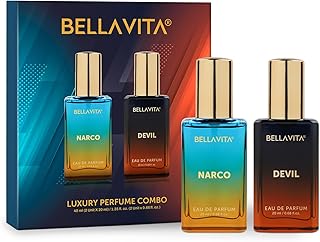


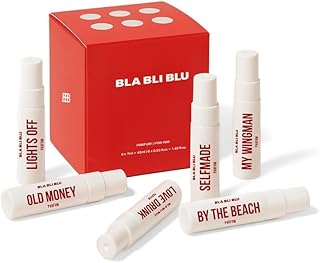




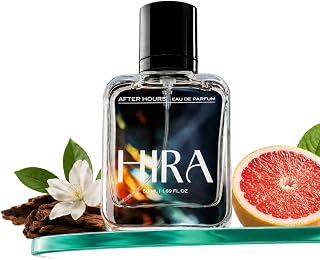







Choosing a perfume is more complicated than selecting the strongest or most expensive fragrance. A good perfume should suit the occasion, climate, personal style, preferred fragrance family and the amount of time you expect the scent to remain noticeable. In India, these factors matter even more because temperature, humidity and daily travel conditions can substantially affect how a fragrance develops on the skin.
This buying guide is designed to help shoppers compare fragrance and perfume products available in India using practical criteria rather than relying only on popularity or advertising claims. Before buying, consider fragrance type, concentration, scent profile, intended use, bottle size, application method, ingredients, customer feedback and the seller's current product information.
The best perfume for one person may be unsuitable for another. Fragrance preference is highly personal, so a useful comparison should look beyond star ratings and consider how a product fits a particular use case.
One of the most useful technical details to compare is fragrance concentration. Product terminology can vary between manufacturers, and concentration alone does not guarantee a specific number of hours of performance. Formula composition, skin chemistry, temperature, humidity and application all influence the result.
Parfum and extrait-style fragrances generally use a higher proportion of aromatic materials than lighter fragrance formats. They can provide a richer experience and may require fewer sprays. However, shoppers should still check the manufacturer's exact description rather than assuming that a higher concentration automatically means superior longevity.
Eau de parfum, commonly abbreviated as EDP, is a popular format for shoppers seeking a balance between fragrance character and everyday usability. EDP products are available across fresh, floral, woody, spicy and many other fragrance families.
Eau de toilette, or EDT, is generally positioned as a lighter fragrance format. It can work particularly well when a subtle, refreshing scent is preferred. EDT can be an attractive option for daytime use, warm weather and situations where a strong fragrance projection would be inappropriate.
Body sprays and deodorant fragrances are usually designed for convenient, frequent application and are often less expensive per bottle than conventional perfumes. They can make sense for everyday use, gym bags or situations where frequent refreshing is practical. They should not automatically be compared with perfume on an identical performance basis.
Fresh fragrances often feature clean, airy, citrus, green or aquatic impressions. They are frequently considered suitable for daytime and warm-weather use because they can feel lighter and more refreshing.
Lemon, bergamot, orange, grapefruit and related citrus impressions can create a bright opening. Citrus-heavy fragrances are commonly chosen for summer, daytime activities and casual settings, although the complete fragrance character depends on the ingredients used in the middle and base notes.
Cedar, sandalwood, vetiver, patchouli and other woody accords can create a dry, warm or sophisticated character. Woody fragrances are widely used in men's, women's and unisex compositions and can work across casual and formal occasions.
Rose, jasmine, tuberose, lavender, iris and other floral accords form the foundation of many perfumes. Floral fragrances range from delicate and airy to rich and intense, so the label alone does not indicate how a particular perfume will smell.
Warm amber, spices, resins and sweet accords are often associated with richer fragrance styles. These profiles can be particularly appealing for evenings, celebrations and cooler weather, although personal preference should remain the primary consideration.
Gourmand fragrances use accords reminiscent of edible ingredients such as vanilla, caramel, chocolate, coffee or certain fruits. They can create a noticeably sweet and comforting character and are often selected for evening or casual wear.
Perfume descriptions frequently divide a composition into top, middle and base notes. These terms describe how a fragrance is commonly perceived as it develops rather than indicating that the ingredients literally disappear in three fixed stages.
This is why judging a perfume exclusively from the first spray can lead to a poor purchase decision. If possible, allow the fragrance to develop before deciding whether its overall character suits you.
Perfume performance is often described using three terms that should not be treated as interchangeable.
A fragrance can have good longevity without projecting strongly. Another fragrance may project noticeably during the first part of wear but become much softer later. Neither characteristic is automatically better; the appropriate performance depends on the occasion.
India includes a wide range of climates, from hot and humid coastal conditions to dry heat, cooler northern winters and high-altitude environments. Fragrance can behave differently depending on heat, humidity, skin moisture and the environment in which it is worn.
For hot daytime conditions, many people prefer citrus, aquatic, green, aromatic and other fresh profiles. Rich sweet, smoky, spicy or heavy fragrances may be more comfortable for evening wear or cooler conditions, although this is a preference rather than a strict rule.
In humid conditions, applying too much fragrance can make a strong composition feel overwhelming. In dry conditions, fragrance may appear to develop differently because skin moisture affects evaporation. Testing a fragrance under conditions similar to your normal routine can therefore provide more useful information than relying on a description alone.
Men's fragrances span an exceptionally broad range, so shoppers should avoid selecting a product simply because it is marketed as a men's perfume. Consider the intended environment first.
Women's fragrance choices are not limited to floral perfumes. Modern fragrance ranges include fresh, citrus, fruity, woody, musky, powdery, gourmand, aquatic and unisex compositions.
Fragrance is ultimately a matter of personal taste, and many compositions can be worn by anyone regardless of the marketing category. Unisex fragrances can be particularly useful for shoppers who prefer citrus, woods, musk, aromatic, tea, aquatic or other neutral profiles.
When evaluating a unisex perfume, focus on the actual notes and overall scent profile instead of the gender label. The same fragrance can smell somewhat different on different people because of skin chemistry, temperature and application.
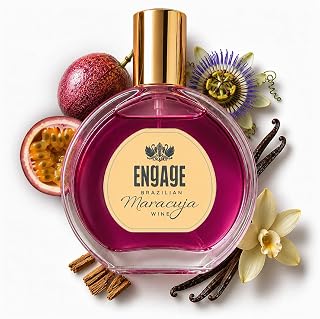
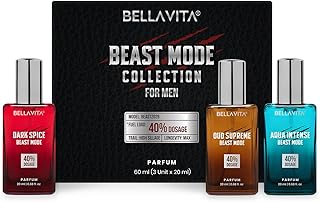
When researching the Indian perfume market, shoppers may encounter established and widely marketed names such as Titan, Skinn, Ajmal, Fogg, Park Avenue, Engage, Wild Stone, Denver, Bella Vita and The Man Company. These brands cover different fragrance styles and price segments, but brand recognition should not replace product-level comparison.
Before selecting a particular fragrance, compare its exact variant, concentration, bottle size, fragrance notes, intended audience and current customer feedback. A brand can offer multiple products with substantially different fragrance profiles and performance characteristics.
A structured comparison makes it easier to separate genuinely useful differences from marketing language.
Do not compare two products only by brand name. A manufacturer may offer multiple versions of a fragrance, including EDT, EDP, intense, sport, night or limited-edition variants. The exact product name and formulation matter.
A larger bottle is not automatically better value. Consider how frequently you wear perfume and how many sprays you normally use. A smaller bottle can be practical for occasional use or travel, while a larger bottle may make sense for a fragrance used almost every day.
Notes provide clues about the intended character but should not be treated as a complete substitute for smelling the perfume. Two products can both list sandalwood or vanilla while smelling very different because of the surrounding composition.
Customer reviews can reveal useful information about packaging, authenticity concerns, atomiser quality, fragrance preference and individual experiences. However, subjective statements about longevity or projection should be interpreted cautiously because skin chemistry and expectations vary.
For online purchases, review the product name, manufacturer information, size, packaging photographs, seller details and other available listing information. Be particularly careful when several listings use similar names but have different sizes or variants.
Advertising can communicate a fragrance's intended image, but it does not tell you whether the actual scent suits your preferences. Use the advertised notes as a starting point and then investigate the exact formulation.
Price does not determine whether a fragrance will smell good to a particular person. A moderately priced perfume can be a better choice than a premium fragrance if its scent profile is more suitable for the user's preferences and daily environment.
A perfume can smell excellent on one person and different on another. Skin chemistry, body temperature, skincare products and environmental conditions all influence the final impression.
Smelling numerous perfumes consecutively can make it difficult to distinguish individual compositions. When testing several options, give your sense of smell time to recover and use scent strips as an initial screening method before testing a smaller selection on skin.
A powerful evening fragrance may not be the most appropriate choice for a small office. Conversely, an extremely subtle daytime fragrance may not provide the character you want for a large celebration. Match fragrance intensity and style with the environment.
Long-lasting perfume is not necessarily higher quality. Some excellent fragrances are intentionally light and refreshing. Performance should be evaluated in relation to the intended fragrance style and use case.
If you can sample a fragrance before purchasing a full-size bottle, use a consistent testing process.
There is no universal correct number of sprays. Fragrance strength, concentration, application area, climate, venue and personal preference all matter. Start conservatively and add fragrance only when necessary.
For professional environments, classrooms, public transport and enclosed spaces, restrained application is generally more considerate than heavy spraying. For outdoor events, the appropriate amount may differ, but excessive application can still become uncomfortable for the wearer and people nearby.
Perfume is commonly applied to areas where body warmth can help the fragrance develop, such as the wrists and neck. Other areas can also be suitable depending on the product instructions and personal preference.
Avoid rubbing the wrists together immediately after spraying if you want to preserve the initial development of the fragrance as intended. Also consider clothing compatibility because some fragrance products can leave marks on delicate or light-coloured fabrics.
Correct storage can help preserve a fragrance for longer. Perfume should generally be protected from excessive heat, direct sunlight and large temperature fluctuations.
A bathroom may seem convenient, but frequent changes in temperature and humidity can make it less suitable for long-term fragrance storage than a cool, stable location.
Online fragrance shopping has one major limitation: you cannot smell the product before purchasing it. Reduce the risk of an unsuitable purchase by examining as much product information as possible.
Terms such as “long-lasting,” “premium,” “luxury,” “strong projection” and “all-day fragrance” can be useful marketing descriptions, but they should not be treated as standardized performance measurements. A careful buyer should look for concrete product information and consistent customer feedback rather than relying on promotional wording alone.
Be equally cautious with claims that imply a perfume is universally attractive, guaranteed to receive compliments or suitable for every occasion. Fragrance preference is inherently subjective.
The best value depends on how a fragrance is used. A low-cost bottle that you dislike may be poor value, while a more expensive fragrance that becomes a reliable favourite can provide better practical value despite a higher purchase price.
For a meaningful comparison, consider the bottle volume, concentration, frequency of use, number of sprays required, fragrance versatility and whether you actually enjoy wearing the scent. Comparing cost per millilitre can be useful, but it should not be the only metric.
If you are shopping on a limited budget, prioritise versatility rather than collecting many similar fragrances. A fresh everyday fragrance can cover work, college and casual outings, while a separate evening fragrance can provide a different option for dinners and events.
Travel-size or smaller bottles can also be useful when experimenting with an unfamiliar fragrance family. Buying a smaller quantity can reduce the risk of being left with a large bottle that does not suit your preferences.
When considering a premium fragrance, focus on formulation preference, scent complexity, wearability and the situations in which you will actually use it. A higher price should not be accepted as evidence of better suitability.
Where sampling is possible, test the fragrance on skin before committing to a full-size purchase. This is particularly useful for expensive perfumes because individual skin chemistry can significantly affect the final impression.
Buying perfume as a gift is more challenging than buying it for yourself because fragrance preference is highly personal. If you know the recipient's existing favourite fragrance family, use that information as a starting point.
An office fragrance should complement rather than dominate the shared environment. Moderate projection and clean, fresh or understated aromatic profiles can be practical choices, particularly in enclosed workspaces.
Consider colleagues who may be sensitive to strong scents, as well as ventilation and room size. The ideal office fragrance is often one that is noticeable at close range without filling the entire room.
Evening fragrance choices can be more expressive because outdoor and social environments often allow greater freedom. Woody, spicy, amber, musky, vanilla and selected floral profiles can create a warmer character.
However, stronger does not necessarily mean more attractive. A balanced fragrance that matches your personality and remains comfortable throughout the evening can be a better choice than one selected purely for maximum projection.
Indian weddings, festivals and celebrations can involve long hours, crowds, outdoor travel and changing temperatures. A fragrance chosen for such occasions should therefore be comfortable over extended periods and appropriate for the venue.
For evening celebrations, richer woody, amber, spicy and sweet compositions may appeal to shoppers who prefer an expressive scent. For daytime ceremonies in warm conditions, fresh, citrus, floral and aromatic fragrances can be easier to wear.
During hot weather, fragrance can become more noticeable because heat can accelerate evaporation. Fresh citrus, aquatic, green, aromatic and light woody profiles are often worth considering for daytime wear.
Application should also be adjusted to the conditions. A fragrance that feels balanced in a cool room may become considerably more noticeable outdoors under intense heat.
Cooler weather can be an opportunity to explore richer profiles. Woody, amber, spicy, vanilla, musky and gourmand fragrances can provide a warmer sensory character.
The same fragrance can behave differently between winter and summer, so seasonal rotation can be a useful way to get more value from a fragrance collection.
Fragrances contain aromatic ingredients and other formulation components that can vary substantially between products. People with known sensitivities should review the product information and manufacturer-provided ingredient details where available.
Do not apply perfume to irritated or damaged skin. If a product causes discomfort or an unexpected reaction, discontinue use and seek appropriate professional advice when necessary. Avoid assuming that “natural” or botanical ingredients are automatically suitable for every individual.
When buying a branded fragrance online, pay attention to the exact product description, packaging, manufacturer information and seller details. Very large differences between listings can justify additional verification before purchasing.
Do not judge authenticity solely by outer packaging or by comparing a fragrance with memories of a previous bottle. Batch differences, reformulations, storage conditions and individual perception can affect the experience. When authenticity is important, purchase through established and reputable retail channels and retain relevant order documentation.
Reviews are most useful when they provide specific information. Look for comments discussing the scent profile, application experience, bottle quality, packaging, personal preference and usage environment.
Be cautious when a review makes an absolute claim about performance. Statements such as “lasts forever” or “does not last at all” describe one person's experience and may not apply to everyone. A pattern across many detailed reviews is generally more informative than an isolated comment.
The spray mechanism is easy to overlook, but it affects everyday usability. A consistent atomiser should distribute the fragrance predictably without excessive leakage or an awkward spray pattern.
For travel, also consider whether the bottle design is practical to carry and whether the packaging provides adequate protection. Always follow applicable airline and transport requirements when carrying fragrance during travel.
If you are purchasing a fragrance for the first time, choosing the largest available bottle is usually unnecessary unless you have already tested and liked the exact fragrance.
A versatile collection does not need dozens of bottles. Start with fragrances that cover distinct situations.
This approach can provide more practical variety than purchasing several perfumes with nearly identical scent profiles.
A signature fragrance should be something you genuinely enjoy wearing and can comfortably use across a meaningful portion of your routine. Consider whether you like the opening, heart and dry-down, whether the intensity is appropriate for your environment and whether you would still enjoy the fragrance after repeated use.
Versatility can be valuable, but there is no requirement for a signature fragrance to suit every occasion. Some people prefer one distinctive fragrance, while others enjoy rotating between several seasonal and situational options.
When comparing a shortlist of ten fragrance products, use the same criteria for every product rather than changing the evaluation standard from one item to another.
Prioritise versatility, comfortable projection and a fragrance profile that works in multiple daily environments. Fresh, citrus, aquatic, aromatic and moderate woody compositions are worth comparing.
Focus on restraint and cleanliness rather than maximum projection. A fragrance that remains close to the wearer can be more appropriate in shared indoor environments.
Compare fresh, citrus, aquatic, green and aromatic profiles. Consider how the fragrance behaves in heat before deciding how much to apply.
Warm woods, amber, spice, vanilla and gourmand profiles can be appealing when temperatures are lower.
Look for a composition whose character you enjoy and that offers an appropriate level of presence. Woody, amber, spicy, musky and sweet profiles are among the styles commonly considered for evening use.
Use the recipient's known fragrance preferences whenever possible. If those preferences are unknown, choose a versatile profile or a smaller format rather than making an expensive blind purchase.
There is no single best perfume for everyone. The right choice depends on fragrance preference, budget, occasion, climate, concentration and desired performance. Compare exact product variants rather than selecting solely by brand popularity.
A versatile fragrance with a comfortable scent profile and moderate presence can be suitable for daily use. Fresh, citrus, aquatic, aromatic and balanced woody fragrances are common options to investigate.
Not necessarily. EDP and EDT are different fragrance formats, and the preferred option depends on the desired character and use case. Concentration should be considered alongside the actual formulation rather than treated as a universal quality ranking.
Fresh, citrus, aquatic, green and aromatic fragrances are often worth considering for hot weather. The best choice still depends on personal preference and how the fragrance performs in your particular environment.
A restrained fragrance with moderate projection is generally easier to wear in an office than an extremely powerful composition. Fresh, clean, aromatic and subtle woody profiles can be good starting points.
Applying fragrance to suitable skin areas and moisturised skin can influence how long it remains noticeable. Avoid excessive rubbing after application and store the bottle away from heat and direct sunlight. Most importantly, follow the product's application guidance.
Skin chemistry, body temperature, skincare products and environmental conditions can influence fragrance development. This is why personal testing is more reliable than assuming that another person's experience will be identical.
You can, but there is greater uncertainty because fragrance is difficult to evaluate without smelling it. If sampling is unavailable, research the fragrance family, notes, concentration and detailed customer feedback before purchasing.
Store perfume in a cool, stable location away from direct sunlight, excessive heat and unnecessary temperature fluctuations. Keep the bottle properly closed when not in use.
No. Price can reflect many factors, including branding, packaging, formulation and positioning. Personal suitability, fragrance character, usability and value should be considered separately from price.
A useful buying guide should not treat every fragrance as interchangeable. Product comparisons are more meaningful when they account for fragrance family, concentration, intended use, climate, bottle size, usability and the limitations of subjective customer feedback.
Because fragrance performance varies between individuals and online listings can change, shoppers should verify the current product specifications, exact variant, seller information and customer feedback before making a purchase. The goal is not simply to find the most popular perfume, but to identify the product that best matches your own requirements.
The best fragrance perfume product in India is ultimately the one that matches your preferred scent profile, intended occasion, climate, budget and desired level of performance. Do not choose solely on price, advertising, brand recognition or a single review. Compare the exact formulation, fragrance notes, concentration, bottle size and practical use case, and test the scent on skin whenever possible.