

♥ Wishlist


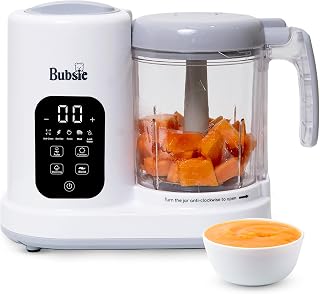


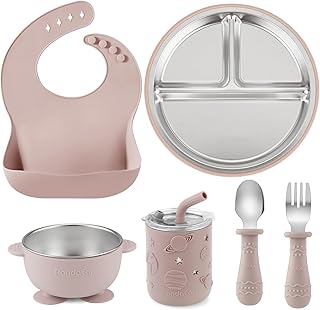


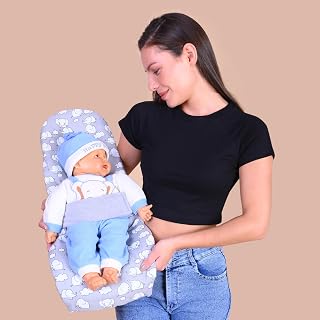


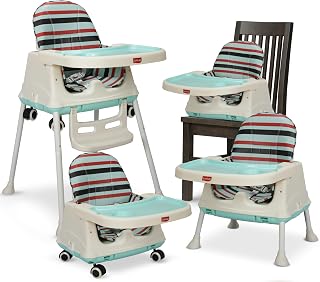


Feeding a baby involves more than choosing a bottle or spoon. The right combination of feeding products can make daily routines easier for parents and more comfortable for children. This category covers essential items such as baby feeding bottles, sterilisation equipment, high chairs and related feeding accessories. Whether you are preparing for a newborn or introducing a growing baby to solid foods, choosing products according to age, use and cleaning requirements can help create a practical feeding setup at home.
For Indian families, feeding needs can vary with the baby's age, feeding method and daily routine. Some parents may need bottles and bottle accessories for expressed milk or formula feeding, while others may look for feeding bowls, spoons and seating solutions when starting complementary foods. A useful approach is to consider what the baby needs at the current stage instead of buying every product at once. This can help keep the feeding area organised and make everyday care more manageable.
Baby bottles are available in different shapes, capacities, materials and teat designs. When selecting a bottle, consider the baby's age, feeding pattern and how easily each component can be cleaned. Bottles with removable parts require careful washing after use, so simple designs may be convenient for busy households. Parents should also follow the manufacturer's instructions for cleaning, sterilisation, assembly and replacement of components.
Look at bottle capacity, grip, teat flow and material before purchasing. Smaller bottles can be useful during the early months, while larger capacities may suit changing feeding requirements. Teat flow should match the manufacturer's age guidance rather than being selected solely by bottle size. Checking product instructions can also help parents understand whether a bottle is suitable for warm liquids, sterilisation methods and repeated everyday use.
Sterilisation is an important part of bottle-feeding hygiene, particularly for young babies. Baby bottle sterilisers are designed to simplify the process of treating feeding equipment after cleaning. Depending on the product, sterilisation may use steam or another manufacturer-approved method. Parents should always clean feeding equipment thoroughly before sterilisation and follow the instructions supplied with the specific product.
When comparing a steriliser, consider its capacity, cycle requirements, size and compatibility with the bottles and accessories you use. A compact option may work well in a smaller kitchen, while a larger model can be useful for households that regularly clean several bottles and accessories together. Storage space and access to a suitable power source may also matter when choosing an electric model.
A baby high chair can provide a dedicated place for a child during supervised meals when the child is developmentally ready and the product's instructions permit its use. High chairs can differ in tray design, seat adjustment, folding mechanism, foot support and cleaning features. Parents should check the recommended age, weight and developmental requirements before use.
Stability, secure restraints and easy-to-clean surfaces are important considerations. A high chair should be placed on a stable, level surface and used according to the manufacturer's safety instructions. Removable trays or washable surfaces can make post-meal cleaning easier. Families with limited space may also prefer a foldable design that can be stored when it is not being used.
A simple feeding setup can include the products that match the child's current stage. Bottle-feeding families may prioritise bottles, teats, cleaning accessories and a suitable sterilisation solution. When a baby begins eating complementary foods, bowls, spoons, bibs and a suitable high chair can become more useful. Buying gradually allows parents to assess which products fit their routine instead of filling the kitchen with items that may see little use.
Cleaning should remain a priority for every feeding product. Wash reusable feeding equipment as directed, inspect bottles and accessories regularly, and replace components when they become worn, damaged or unsuitable for continued use. For sterilisers, remove residue and maintain the appliance according to its care instructions. These simple habits can support a cleaner and more organised feeding routine.
When shopping online in India, compare product dimensions, capacity, material information, recommended age range and care instructions before making a purchase. Consider the available kitchen or dining space, the number of daily feeds and how often the product will need cleaning. For high chairs, also consider storage requirements and the child's changing needs. For bottles and sterilisers, check compatibility between components rather than assuming that products from different ranges will work together.
The baby feeding category is useful for parents who want to organise feeding essentials in one place. From everyday bottles and sterilisation equipment to high chairs for supervised mealtimes, selecting products based on practical requirements can make routines simpler. Focus on appropriate use, easy maintenance and manufacturer guidance when choosing products for your baby's feeding journey.
Make everyday feeding more convenient with baby feeding products, bottles, sterilisers and high chairs for different stages of early childhood. This category brings together practical essentials that can support bottle feeding, food preparation, cleaning and comfortable mealtimes. Indian parents can explore suitable feeding accessories while considering the baby's age, feeding routine, ease of cleaning, materials and available space at home.