

♥ Wishlist
Compare 255 verified Baby Lotion for Gentle Daily Baby Skin Care products in India. Reviews, ratings, pros, cons and buying advice updated for October 2026.


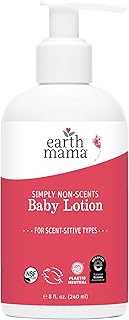


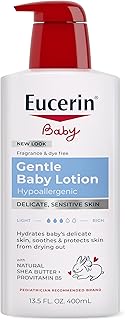


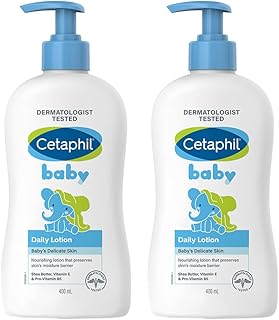


Choosing a baby lotion is less about finding the most heavily marketed bottle and more about matching the product's formulation to a baby's skin, climate, bathing routine and individual sensitivity. Baby skin can lose moisture quickly, while India's combination of hot weather, dry conditions, humidity, pollution and seasonal changes means that one lotion may not suit every child or every part of the country.
When comparing the best baby lotion products in India, look beyond the front label. Examine the complete ingredient list, intended age guidance, fragrance profile, moisturising ingredients, texture, packaging, usage instructions and any relevant warnings. A product that feels pleasant and absorbs quickly may be convenient for daytime use, while a richer formula may be more appropriate when the skin is visibly dry. The right choice depends on the child's skin rather than simply on popularity.
A well-designed baby lotion generally aims to reduce moisture loss and leave the skin comfortable without creating an unnecessarily heavy or irritating layer. Common moisturising components include humectants, emollients and occlusive ingredients. These ingredient groups work differently, and understanding the distinction makes it easier to compare products.
No single ingredient automatically makes a lotion the best choice. The overall formulation, concentration, combination of ingredients and the child's response matter more than a single ingredient appearing prominently on the packaging.
Glycerin is widely used in moisturising products because it helps attract water and support hydration of the outer skin layer. It can be useful in everyday lotions, particularly when the skin needs regular moisture without an excessively greasy finish.
Baby lotions may contain ingredients derived from sources such as coconut, sunflower, almond, oat or other plants. The presence of a botanical ingredient should not automatically be interpreted as proof that the product is gentler or safer. Botanical ingredients can have useful conditioning properties, but individual children can still react to particular ingredients.
Some moisturising formulations use ceramides or related skin-identical lipid ingredients. These are particularly relevant when the buying priority is supporting the skin barrier. Compare the complete formulation rather than selecting a product solely because a particular ingredient is advertised on the front of the package.
Fragrance can make a lotion smell pleasant, but fragrance-free and scented products serve different preferences. For babies with easily irritated or sensitive skin, parents may prefer a simpler fragrance-free formulation. If a child has previously reacted to scented skincare, fragrance deserves particular attention when comparing products.
Water-based lotions normally require preservation to remain microbiologically stable during their intended shelf life. Seeing a preservative in an ingredient list does not by itself mean that a product is unsuitable. The more useful approach is to consider the complete formulation and follow the manufacturer's instructions for storage and use.
For normal skin, a lightweight everyday lotion can be sufficient. Look for a formulation that provides comfortable moisturisation without leaving a sticky or excessively oily finish. Ease of application matters because parents may apply lotion several times during a routine.
For noticeably dry skin, a richer moisturiser may provide greater comfort than an extremely lightweight lotion. Ingredients that support hydration and reduce moisture loss can be useful. Apply according to the product directions, especially after bathing when the skin has been gently dried.
When sensitivity is a priority, ingredient simplicity becomes an important comparison criterion. Parents may look for products designed for sensitive skin and may prefer formulations without added fragrance. Introduce new skincare products cautiously and stop using a product if irritation develops.
A cosmetic baby lotion is not a substitute for medical assessment when a baby's skin remains persistently inflamed, cracked, painful, oozing or unusually itchy. In such situations, choosing a different commercial lotion may not address the underlying problem. Parents should seek appropriate advice from a qualified healthcare professional.
Climate can influence how a lotion feels and how often it is needed. A product that feels comfortable during a dry winter may feel unnecessarily heavy during a hot and humid period.
During humid weather, many parents prefer lighter textures that absorb readily and do not leave an uncomfortable film. Over-application can make some products feel sticky, particularly in warm conditions.
Dry winter air can increase the need for regular moisturisation. A creamier lotion or moisturiser may be preferable where the skin becomes rough or visibly dry. Bathing habits also matter: prolonged exposure to very hot water can contribute to dryness.
High humidity can make rich skincare products feel uncomfortable. Parents should also pay attention to clean application and appropriate storage because repeatedly exposing a product to moisture, contaminated hands or unsuitable storage conditions can compromise product hygiene.
Indoor air-conditioned environments can feel considerably drier than outdoor conditions. If a baby's skin becomes dry while spending substantial time indoors, parents can reassess the moisturising routine rather than assuming that the same amount of lotion is suitable year-round.
These products overlap in purpose but differ in texture and formulation. Understanding the difference helps prevent choosing a product simply because its label says "baby."
The best format depends on the skin's needs, the climate and the parent's preference for application. A lotion is not automatically superior to a cream, and a thicker product is not automatically better for every baby.
When several products appear similar, use a consistent comparison framework instead of relying on advertising claims.
Words such as "natural," "gentle," "nourishing," "moisturising" and "dermatologically tested" can be useful descriptions, but they should not replace ingredient-level comparison. Marketing language does not tell you how a particular child will respond to a formula.
Parents should distinguish between a product's actual formulation and a claim used to position it. If a lotion prominently features a botanical extract, for example, examine the complete ingredient list and consider whether fragrance or other components are also present. Similarly, a product marketed for sensitive skin should still be evaluated against the child's individual history and tolerance.
Start with the product name and intended use, then check the ingredient declaration, quantity, manufacturer information, usage instructions, warnings and expiry information. Packaging can change over time, so the physical label supplied with the product should take precedence over an older description found elsewhere.
Parents comparing products online should also distinguish between information supplied by the manufacturer and customer-generated content. Product listings may contain incomplete descriptions, while customer reviews can contain useful observations but are not a substitute for professional medical advice.
There is no universal amount that applies to every baby or every lotion. Start with the amount recommended by the product instructions and use enough to cover the intended area comfortably without excessive rubbing.
Applying a moisturiser soon after bathing can be practical because it helps maintain the skin's hydration. Pat the skin gently rather than rubbing vigorously, then apply the lotion according to the product directions.
More lotion is not necessarily better. Excess product can leave the skin uncomfortable, transfer to clothing or make warm-weather use unpleasant. The goal is consistent, comfortable moisturisation rather than maximum application.
Baby lotion is generally intended for external skin use, but parents should follow the specific directions printed on the product. Avoid applying ordinary body lotion to the eyes, mouth or other areas where the manufacturer says it should not be used.
Post-bath application is a common part of a baby's skincare routine. Lotion can also be used at other times when the skin requires moisturisation, provided the product directions permit it.
Extra care is appropriate around skin folds. These areas can become warm and moist, so applying unnecessary amounts of rich product may be counterproductive. Keep the routine appropriate to the area rather than applying the same quantity everywhere.
Before making a new lotion part of a baby's regular routine, parents can consider testing a small amount on a limited area of skin and observing the response. This is especially sensible when the child has a history of sensitivity or when introducing a product with multiple unfamiliar ingredients.
If redness, swelling, burning, significant itching, blistering or another concerning reaction occurs, discontinue the product and seek appropriate medical advice. A severe or rapidly developing reaction requires prompt professional attention.
Keep baby skincare products away from the child's eyes and mouth, and store them according to the manufacturer's instructions. Do not use a product beyond its stated expiry or when its appearance, smell or consistency has changed unexpectedly.
Well-known brands such as Johnson's, Cetaphil, Aveeno, Sebamed, Himalaya and Mamaearth may be familiar to Indian shoppers, but brand recognition alone does not establish that one particular lotion is the best match for every child. Compare the formulation, intended use and individual requirements.
Natural-origin ingredients can still cause sensitivity. A botanical or plant-derived ingredient should be evaluated as part of the complete formula rather than treated as a guarantee of suitability.
A pleasant scent can be appealing to adults, but fragrance may not be desirable when sensitivity is the main concern. Always check whether the formulation contains added fragrance.
A larger pack may appear economical, but the best size depends on consumption, storage conditions and how quickly the product will be used. Compare the quantity and practical convenience instead of focusing only on the total purchase price.
One review cannot establish universal performance. Look for recurring themes across verified customer feedback, especially comments about texture, absorption, packaging and whether the product matched the buyer's stated skin type.
Baby lotion is primarily a skincare product. Persistent or severe skin problems should not be managed solely by switching between cosmetic products.
Customer reviews are most useful when they are treated as supplementary evidence rather than definitive proof. Look for reviews that clearly describe the user's skin type, climate, frequency of use and actual experience with the product.
The cheapest baby lotion is not necessarily the most economical option, and a premium-priced product is not automatically superior. A better comparison considers the quantity, formulation, frequency of application, packaging convenience and suitability for the baby's skin.
For online shopping in India, compare the current price, pack size and seller information before purchasing. Prices and promotional offers can change, so a buying guide should be treated as a framework for comparison rather than a permanent price reference.
When two products have different pack sizes, calculate the effective cost per unit of quantity before deciding which offers better value. Also consider whether the product is likely to be used consistently. A lotion that suits the child and is convenient for the household may provide more practical value than a cheaper product that is rarely used.
Packaging is easy to overlook, but it can have a major effect on everyday usability. Pump dispensers can be convenient when parents need to apply lotion with one hand, while tubes and flip-top containers can be useful for travel or smaller storage spaces.
For larger bottles, consider where the product will be stored and whether the container can remain clean and dry. Avoid transferring lotion into unlabelled containers because doing so can remove important product information such as ingredients, batch details and expiry information.
Families travelling within India may prefer a smaller, secure package that is easy to carry. The ideal travel format depends on the length of the trip and the baby's normal skincare routine.
Newborn skin deserves a particularly cautious approach. During the early weeks, parents may prefer to keep skincare routines simple and introduce products only when appropriate for the baby's needs. Always check the manufacturer's stated age guidance rather than assuming that every baby lotion is suitable immediately after birth.
If a newborn develops persistent dryness, rash, scaling or irritation, do not assume that more lotion will solve the problem. A healthcare professional can help determine whether the skin issue is ordinary dryness or something that requires a different approach.
For sensitive skin, the comparison should focus on tolerance and formulation rather than marketing appeal. Fragrance-free options may be worth considering, and parents can prioritise products with a straightforward ingredient profile when that fits the child's needs.
Do not repeatedly switch products when irritation is occurring. Introducing multiple new products at once can also make it difficult to identify which product may have caused a reaction. A simpler routine can make troubleshooting easier.
A baby's moisturising needs can change throughout the year. Instead of selecting one product solely because it performs well in one season, consider how the lotion fits into the family's complete routine.
The best baby lotion cannot fully compensate for an unsuitable bathing routine. Very hot water, long baths and excessive use of cleansing products can contribute to dryness. A gentle bathing routine followed by appropriate moisturisation can be a more sensible strategy than repeatedly applying large amounts of lotion.
After bathing, gently pat the skin dry and apply moisturiser as directed. Avoid vigorous rubbing, particularly when the skin is already dry or irritated.
Parents should not assume that an adult body lotion is interchangeable with a baby product. Adult formulations can contain different fragrance systems, active ingredients, exfoliating components or other ingredients designed around adult skin concerns.
When buying skincare for a baby, choose a product whose labelling and intended use are appropriate for the child's age and needs. The fact that an adult lotion works well for a parent does not establish that it is appropriate for a baby.
Indian shoppers may encounter established baby and sensitive-skin brands including Johnson's, Cetaphil, Aveeno, Sebamed, Himalaya and Mamaearth. These names can be useful starting points for comparison, but the correct choice should still be based on the specific product formulation rather than the brand name alone.
Product ranges can contain several lotions, creams and specialised formulations under the same brand. Always compare the exact product, ingredient list, intended age, pack size and usage instructions before making a purchase.
A practical shortlist should contain products that genuinely fit the child's requirements rather than simply the products with the highest visibility. Start by defining the primary need, then remove unsuitable options before comparing the remaining products.
If several products appear equally suitable, use a consistent scoring framework. This avoids allowing packaging, advertising or a single prominent ingredient to dominate the decision.
Do not continue using a product simply because there is lotion remaining in the bottle. Check the expiry information and pay attention to unexpected changes in colour, odour, texture or consistency. Products should also be replaced when the packaging has become damaged or contaminated.
If the baby repeatedly develops irritation after application, stop using the product and consider professional advice rather than continuing to test the same formulation.
Follow the storage instructions provided on the package. In general, skincare products should be protected from excessive heat, direct sunlight and contamination. India's high temperatures in some regions make storage particularly important.
Online shopping makes it easy to compare brands and pack sizes, but product information should be checked carefully before purchase. Product titles can be shortened, images can show older packaging and marketplace descriptions may not always contain the complete ingredient information.
Before placing an order, compare the exact product name, quantity, intended use and current packaging information. Read verified customer reviews for practical feedback and check the retailer and seller information. Where an ingredient list is important to your decision, verify it against the latest physical packaging or authoritative manufacturer information.
The most common buying error is selecting a lotion before identifying the actual requirement. A parent may want a daily moisturiser, while another may be looking for support for very dry skin. These are different buying situations.
Ask four questions before choosing:
For everyday baby skincare, consistency and suitability are generally more useful goals than chasing the longest ingredient list or the newest marketing claim. A product should fit comfortably into the family's routine and be appropriate for the child's skin.
Some purchase factors are visually prominent but have limited value on their own. Packaging colour, celebrity associations, an especially long list of botanical extracts or an attractive fragrance should not outweigh formulation suitability and age guidance.
Likewise, a very high number of customer reviews does not necessarily mean that a product will suit every baby. Popularity indicates that many people have purchased the product, not that every child will have the same response.
There is no single baby lotion that is best for every child. The most suitable choice depends on age, skin type, sensitivity, climate, preferred texture, ingredient preferences and budget. Compare the exact formulations rather than choosing solely by brand popularity.
Many baby lotions are designed for routine moisturisation, but parents should follow the product's intended-use instructions. If a child develops persistent irritation or another concerning reaction, discontinue the product and seek appropriate advice.
Fragrance-free products can be an attractive option when reducing potential irritants is a priority, particularly for sensitive skin. However, the complete ingredient list remains important because fragrance is only one aspect of a formulation.
Check the manufacturer's age guidance before using any product on a newborn. A newborn's skincare routine can often be kept simple, and persistent dryness or irritation should be discussed with a qualified healthcare professional.
Not necessarily. A thicker cream may provide a richer moisturising feel, while a lotion may be easier to spread and more comfortable in warm weather. The better format depends on the baby's skin and the family's routine.
Only use a product on the face if its instructions indicate that it is suitable for that area. Avoid the eyes and follow all manufacturer warnings.
Frequency depends on the product instructions and the baby's skin. Some families use moisturiser after bathing, while additional application may be appropriate when the skin becomes dry. Follow the product directions rather than applying a fixed amount based on a general rule.
A suitable moisturiser can help support the skin's moisture level, but persistent, severe or inflamed dryness may require professional assessment. A cosmetic lotion should not be relied upon to treat an undiagnosed skin condition.
No. Price is not a reliable measure of suitability. Compare formulation, ingredients, intended use, texture, quantity, packaging and customer feedback before deciding which product offers the best value.
Compare their complete ingredient lists, age guidance, fragrance profile, texture, quantity, packaging, intended skin type and current cost. If the products remain similar, verified customer feedback can help identify practical differences.
Stop using the suspected product and avoid repeatedly applying it to determine whether the reaction will disappear. If the rash is significant, persistent or accompanied by swelling, breathing difficulty, blistering or other concerning symptoms, seek appropriate medical care promptly.
Possibly, if the formulation remains comfortable and effective for the baby's skin. However, seasonal changes can alter how the skin feels and how a lotion performs, so some families prefer a lighter texture in hot weather and richer moisturisation during dry periods.
The best baby lotion in India is ultimately the one that matches the baby's skin, fits the household's routine and provides comfortable moisturisation without unnecessary irritation. There is no universal winner for every child, and a product's popularity, price or branding should not replace careful comparison.
For a well-informed purchase, start with skin needs, then evaluate ingredients, fragrance, texture, age suitability, packaging, quantity and value. Use verified customer feedback to understand practical considerations, and confirm current product details before purchasing. When persistent irritation or a significant skin problem is involved, move beyond cosmetic product comparison and seek professional medical guidance.