

♥ Wishlist
Compare 57 verified Baby Oil for Gentle Baby Massage and Skin Care products in India. Reviews, ratings, pros, cons and buying advice updated for October 2026.


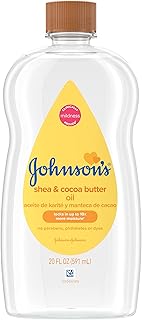


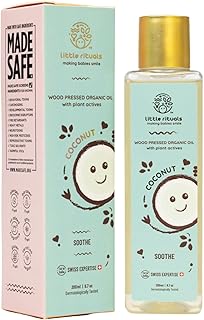


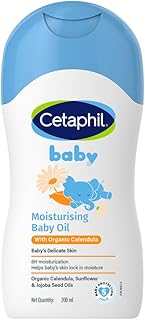
Choosing a baby oil is not simply a matter of picking the most popular bottle or the lowest-priced option. A baby's skin is delicate, and the right product should suit the child's age, skin condition, bathing routine, massage preferences and family requirements. In India, parents can find baby oils based on mineral oil, plant-derived oils, blends of several oils and formulations containing additional ingredients intended to condition the skin.
For a useful comparison, look beyond marketing descriptions and examine the ingredient list, intended age group, fragrance, texture, packaging, ease of application and the manufacturer's usage instructions. Products from familiar names such as Johnson's Baby, Himalaya BabyCare, Mamaearth, Dabur and Chicco are widely encountered in the Indian baby-care market, but brand recognition alone should not determine the purchase.
The best baby oil for one family may not be the best choice for another. A lightweight oil may be preferable for everyday massage, while a richer formulation may appeal to parents who prefer a more substantial texture. If a child has unusually dry, irritated or persistently uncomfortable skin, choosing a cosmetic oil should not replace advice from a qualified paediatrician or dermatologist.
A well-chosen baby oil should be practical, easy to spread and appropriate for the child's skin and intended use. There is no single ingredient that makes an oil universally superior. Instead, several characteristics should be considered together.
Understanding the basic types of ingredients can make product comparisons more meaningful. Baby oils vary substantially in formulation, so parents should read the complete ingredient declaration rather than assuming that every product marketed as a baby oil has the same composition.
Mineral oil is used in many personal-care formulations because it can provide a smooth, lubricating texture and help reduce moisture loss from the skin surface. The presence of mineral oil does not, by itself, tell you whether a particular product is the right choice for your baby. The complete formula and the child's individual tolerance matter.
Baby oils may contain ingredients such as coconut oil, sunflower oil, almond oil or other botanical oils. Plant-derived does not automatically mean better or safer for every baby. Botanical ingredients can have different textures, odours and skin-feel characteristics, and some children may not tolerate particular ingredients.
Some formulations combine several oils with additional emollient or conditioning ingredients. These products can offer a different balance of spreadability, absorption and after-feel. When comparing two blends, the complete ingredient list is more useful than simply counting the number of oils mentioned on the front label.
Fragrance is an important buying consideration, particularly for families who prefer minimal formulations. A pleasant scent may be desirable to some parents, while others may deliberately choose fragrance-free or lower-fragrance products. If your baby develops redness, itching or other signs of irritation after using a cosmetic product, stop using it and seek appropriate professional advice if the problem persists.
Baby oil and baby lotion perform related but different roles. Oil generally provides a lubricating layer and can be useful when parents prefer an oil-based massage product. Lotion is typically an emulsion containing both water and oil-based components, giving it a different texture and application experience.
For everyday baby care, the choice can come down to personal preference, the child's skin needs and the recommendations provided on the product label. Some families prefer oil for massage and lotion for convenient moisturising, while others use one product for both purposes.
Baby massage is a familiar part of childcare in many Indian households. Traditional practices vary between families and regions, but a modern baby-care product should still be evaluated on its formulation and suitability rather than tradition alone.
Before using an oil for massage, read the product instructions and avoid applying it to broken, visibly irritated or infected skin unless a healthcare professional has advised you to do so. Keep oil away from the baby's eyes and mouth. Massage should also be gentle; there is no need to apply excessive pressure to obtain the benefits parents are seeking from a massage routine.
Newborn skin requires particularly careful handling. Parents should check the manufacturer's age guidance and consider discussing new cosmetic products with their paediatrician, especially when the baby has a history of skin sensitivity or an existing skin problem.
As babies grow, parents may place greater emphasis on texture, absorption, fragrance preferences and bottle convenience. An oil that works well during a supervised massage routine may not be the most convenient option for quick daily moisturising.
A simple comparison framework helps prevent a purchase based solely on advertising claims. Consider the following factors in order of importance for your household.
Indian parents will encounter several established baby-care brands when comparing oils. Brand portfolios can change over time, so always verify the current ingredient list, pack size and product description before purchasing.
Johnson's Baby is a long-established baby-care brand with multiple products designed around infant and child personal care. When comparing its baby oils, focus on the exact formulation rather than the brand name alone because different variants can have different ingredients, fragrance profiles and intended uses.
Himalaya BabyCare offers baby-care products that may appeal to parents who specifically prefer formulations featuring botanical ingredients. The presence of plant-derived ingredients should still be evaluated alongside the complete formula, age guidance and the child's individual tolerance.
Mamaearth has a broad personal-care portfolio and offers baby-care products with different ingredient positioning. Parents considering a Mamaearth baby oil should compare the precise variant, ingredient declaration and usage directions instead of relying only on claims made across the wider product range.
Chicco is another established name in baby products, with offerings spanning childcare and personal-care categories. For any Chicco oil, compare the specific product formulation, recommended use, bottle size and current packaging before making a purchasing decision.
Dabur is a major Indian consumer brand with a long history in personal-care and wellness categories. If considering a Dabur baby oil, parents should distinguish between traditional oiling concepts and a product specifically formulated and labelled for babies.
A familiar brand can provide useful reassurance, but popularity does not eliminate the need to check the exact formulation. Product variants can differ in ingredients, fragrance, texture and intended use.
Natural and plant-derived ingredients can be desirable, but they are not automatically suitable for every child. The relevant question is whether the complete formulation is appropriate for your baby's skin and intended use.
Parents sometimes focus on the oil itself while overlooking fragrance. If you prefer a minimal-scent product, check the label before buying rather than relying on product photographs or promotional descriptions.
A larger bottle may reduce the frequency of repurchasing, but it is not necessarily the best choice if you are trying a formulation for the first time. A smaller pack can be a more practical way to determine whether the texture and scent suit your family.
Cooking oils, essential-oil blends, cosmetic oils and products specifically formulated for babies are not interchangeable simply because they are all called oils. Use products according to their intended purpose and label directions.
More oil does not necessarily mean a better massage or better skin care. Excessive application can create an unnecessarily greasy surface and may make handling the baby more difficult. Use an amount appropriate for the area and purpose.
Baby oil should be treated as a cosmetic product rather than as a treatment for an underlying skin condition. Always follow the label instructions and use common-sense precautions during application.
Parents should check the packaging for the manufacturer's expiry date, period-after-opening information where applicable and storage instructions. Changes in smell, colour, texture or packaging condition can also be reasons to discontinue a product, particularly when it has been stored improperly.
Keep baby oil in accordance with the manufacturer's storage guidance and avoid leaving it exposed to excessive heat or direct sunlight. In India's warmer climate, sensible storage is especially important for maintaining the product's intended characteristics.
The front of the package is designed primarily for product identification and marketing. The ingredient declaration and usage directions provide more useful information for comparison.
Customer reviews can be useful, but they should be interpreted carefully. A high star rating alone does not reveal whether a product is appropriate for your requirements.
Look for repeated observations about characteristics that can realistically be judged through everyday use, such as fragrance strength, thickness, ease of spreading, bottle design, leakage during delivery and whether the received packaging matches the listing. Give less weight to reviews that make broad medical claims or promise results that cannot reasonably be verified from an individual experience.
It is also worth checking the most recent verified reviews because packaging, formulation and marketplace sellers can change. If reviews appear to describe different versions of the product, compare the product photographs, variant name and ingredient information before drawing a conclusion.
India has substantial regional and seasonal variation, so the ideal texture can differ between households. In hot and humid conditions, a lighter-feeling oil may be more comfortable for parents who dislike a heavy residue. During cooler or drier periods, some families may prefer a richer texture.
Climate should not override skin compatibility. If an oil feels excessively greasy, transfers easily to clothing or makes massage uncomfortable, a different texture may be more practical. Conversely, if a lightweight product does not provide the skin feel you want, a richer formulation may be worth comparing.
Oil can help reduce moisture loss from the skin surface, but persistent dryness is not always something that should be addressed simply by changing cosmetic oils. Babies can develop several different types of skin problems, and the appropriate care depends on the underlying cause.
If dryness is persistent, severe, accompanied by significant redness, cracking, oozing, swelling or discomfort, or does not improve with appropriate basic care, speak with a paediatrician or dermatologist rather than repeatedly switching cosmetic products.
For massage, spreadability is often more important than having the richest possible formulation. Parents generally need enough slip to move their hands gently over the skin without excessive rubbing.
The cheapest bottle is not necessarily the most economical choice, and the most expensive bottle is not necessarily the best. A better comparison considers quantity, frequency of use, formulation and whether the product is actually suitable for your household.
When comparing online listings, calculate the approximate cost per 100 ml if pack sizes differ. Also check whether different listings refer to the same variant. A multipack can look attractive but may not offer good value if you are still testing whether the product suits your baby.
Packaging is an overlooked part of baby-care buying decisions. A good formulation becomes less convenient if the bottle leaks, dispenses too much product or is difficult to close securely.
There is no single baby oil that is best for every child. The right choice depends on age suitability, ingredients, fragrance preference, skin tolerance, intended use, texture and budget. Compare the exact product variants rather than choosing solely by brand popularity.
Some products are specifically labelled for babies, but parents should still check the manufacturer's age guidance. Newborn skin can be particularly sensitive, so families with concerns about introducing a new cosmetic product can discuss the choice with their paediatrician.
Whether an oil is suitable for frequent use depends on its formulation, the child's skin and the manufacturer's directions. Follow the product label and avoid treating daily use as a requirement simply because a product is marketed for babies.
Neither category is universally better. Coconut oil and mineral oil have different properties, and individual products can contain additional ingredients that affect their performance. Compare the complete formulation and choose according to your child's tolerance and your intended use.
Not necessarily. A product containing botanical ingredients may appeal to parents who prefer that type of formulation, but herbal or natural positioning does not guarantee suitability for every baby. Read the full ingredient list and follow the product's age and usage guidance.
Do not assume that an oil intended for body massage is appropriate for the face. Follow the manufacturer's directions, keep products away from the eyes and mouth, and use extra caution with newborns and babies prone to skin irritation.
Many baby oils are also used by adults for cosmetic purposes, but that does not mean every formulation is ideal for every adult skin type. Adults should evaluate the ingredient list and intended use in the same way they would any personal-care product.
The appropriate timing depends on the intended use and product directions. Some families incorporate oil into a massage routine before bathing, while others use moisturising products after bathing. Follow the manufacturer's instructions and avoid creating a slippery bathing environment.
Stop using the suspected product and avoid repeatedly applying it to irritated skin. If the reaction is significant, persistent or concerning, consult a qualified healthcare professional for appropriate evaluation rather than trying multiple cosmetic oils.
Use enough to provide the desired coverage and slip without unnecessarily saturating the skin. The amount depends on the child's size, the area being covered and the purpose of application.
Oil can transfer to fabric, particularly when a large amount is applied. Allowing excess product to settle before dressing the baby and using an appropriate amount can reduce unnecessary transfer.
The best approach to choosing baby oil in India is to compare the actual formulation and intended use rather than treating any single brand, ingredient or marketing claim as automatically superior. Established names such as Johnson's Baby, Himalaya BabyCare, Mamaearth, Chicco and Dabur can all be considered during research, but the exact product variant should always be checked.
Before purchasing, compare ingredients, age suitability, fragrance, texture, bottle design, quantity and recent verified customer feedback. Check current specifications and packaging because product formulations and marketplace listings can change. If your baby has persistent or significant skin concerns, prioritise professional medical guidance over cosmetic product comparisons.
A carefully selected baby oil should fit naturally into your family's routine, be comfortable to apply, and match the baby's individual skin needs. Taking a few minutes to compare the label and current product information can be more valuable than relying on a generic “best” ranking.