

♥ Wishlist
Compare 65 verified Baby Products for Everyday Care and Comfort products in India. Reviews, ratings, pros, cons and buying advice updated for October 2026.
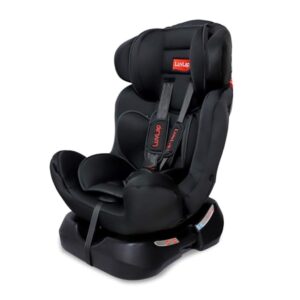
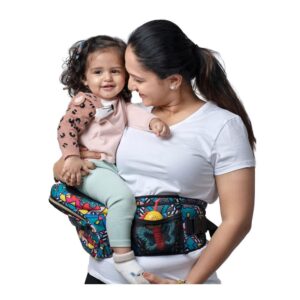
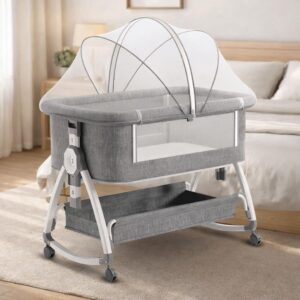
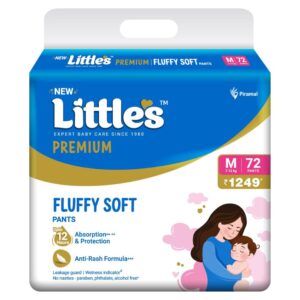
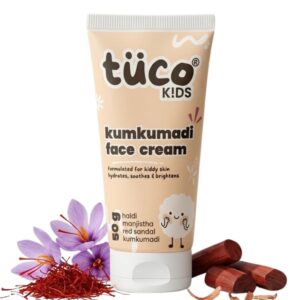
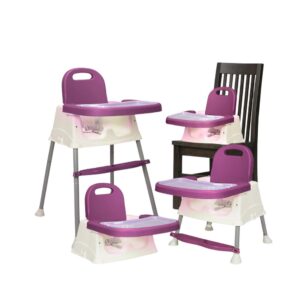
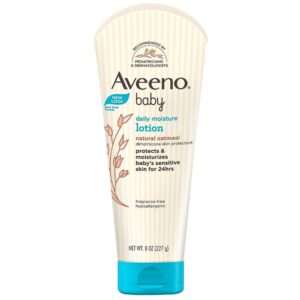
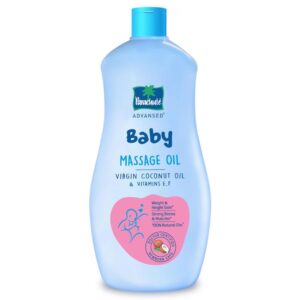
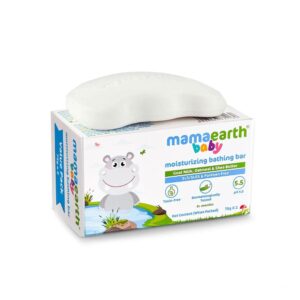
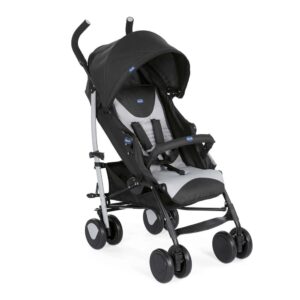
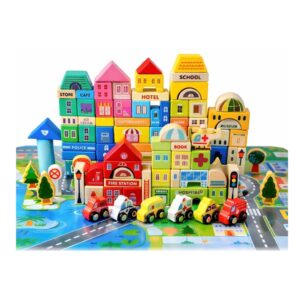
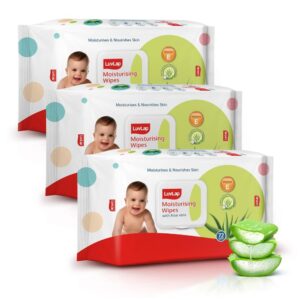


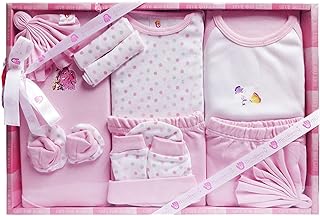


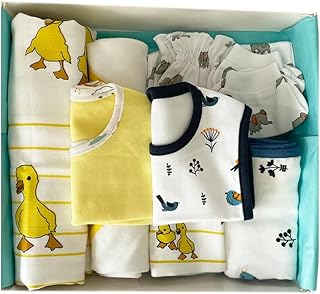


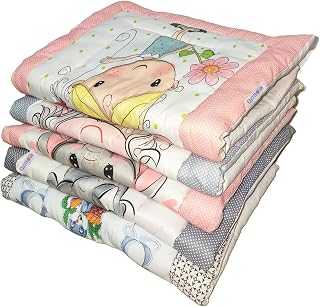


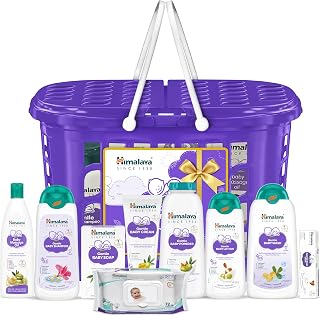


Choosing baby products in India is less about finding one universally “best” item and more about matching the product to a baby's age, developmental stage, daily routine, climate, available space and family budget. A product that works well for one household may be inconvenient for another, particularly when comparing feeding accessories, diapers, clothing, bathing products, sleep essentials, travel gear, nursery equipment and baby-care items.
This guide is designed to help parents and caregivers evaluate baby products on meaningful criteria rather than relying only on star ratings or attractive packaging. When comparing products, consider construction quality, material composition, sizing, cleaning requirements, ease of use, safety features, replacement costs and suitability for Indian conditions.
Because baby products can involve direct contact with delicate skin or may be used during feeding, sleep or travel, specifications should always be checked against the manufacturer's current instructions. Product availability, pack sizes, specifications and formulations can change, so verify the latest information before purchasing.
A sensible buying process starts with identifying the actual problem the product needs to solve. Parents preparing for a newborn may need a smaller selection of practical essentials, while families with an older baby may prioritize feeding equipment, mobility products, toys or travel accessories.
Age is one of the most important selection factors. Newborn products should generally prioritize gentle materials, simple construction and easy cleaning. As a baby grows, requirements change. Feeding equipment, clothing sizes, sleep products, toys and travel accessories should be evaluated according to the child's current developmental stage and the manufacturer's stated age or size guidance.
Material quality matters particularly when an item touches the baby's skin, mouth or food. Look beyond marketing descriptions and inspect the actual material specifications where they are provided. For feeding products, check the materials used for bottles, nipples, valves, seals and accessories. For clothing and bedding, consider softness, breathability, stitching and wash durability.
For plastic products, parents should follow the manufacturer's instructions regarding intended use, heating, cleaning and replacement. For textiles, look at fabric composition and washing instructions rather than assuming that a particular fabric label automatically makes a product suitable for every baby.
Cleaning requirements are often underestimated when buying baby products. A complicated bottle accessory or bath product with difficult-to-reach crevices can require considerably more effort than a simpler alternative.
The purchase price is only one part of the cost. Some baby products require disposable refills, replacement nipples, filters, batteries, liners, accessories or different sizes as the child grows.
Before choosing a product, calculate the likely ongoing expense. A less expensive initial purchase may not remain economical if replacement components are difficult to source or need frequent replacement. Conversely, a more expensive product is not automatically better if its additional features are unlikely to be used.
Diapers should be selected according to the baby's weight, fit and individual needs rather than by age alone. A good fit should provide adequate coverage without being excessively tight. Parents comparing disposable diapers can examine absorbency claims, fastening design, waistband construction, fit, softness and available sizes.
Commonly encountered brands in the Indian market include Pampers and Huggies, while other brands may be worth considering depending on sizing, formulation, pack configuration and retailer availability. Always compare the current product specification rather than assuming that every product from the same brand has identical characteristics.
For reusable diapering systems, evaluate the fabric, absorbent inserts, washing process, drying time and number of sets required for normal use. Reusable products can involve more laundry and drying considerations, particularly during humid or rainy periods.
Baby wipes, cleansers, lotions and creams should be assessed according to the baby's individual skin tolerance and the product's ingredient information. Parents may prefer simpler formulations and products designed specifically for babies, but “natural,” “herbal” or similar marketing language should not be treated as a guarantee that a particular formulation will suit every child.
Himalaya Baby and other established baby-care brands are widely encountered in India, but individual products should still be evaluated by their current ingredient lists, directions and suitability information.
If a baby develops persistent irritation or another concerning skin reaction, product selection should not substitute for appropriate medical advice.
Bottle selection involves more than choosing a bottle capacity. Parents should compare the bottle material, nipple shape, flow options, venting design, neck width, cleaning process and availability of replacement parts.
Do not select a bottle solely because it is marketed as “anti-colic” or “advanced.” A simpler bottle can be preferable if it is easier to clean and meets the family's requirements.
Bathing products should make routine care easier while minimizing unnecessary complexity. Useful considerations include grip, drainage, portability, storage requirements, material, cleaning and suitability for the baby's size.
For grooming kits, examine whether the individual components are appropriately designed for babies and whether the set contains tools that the family will actually use. A large kit with many unused accessories may provide less practical value than a smaller, well-selected set.
Baby clothing should be comfortable, easy to wash and appropriate for the local climate. India's weather varies substantially across regions, so there is no single ideal wardrobe for every household.
Soft cotton garments are a common practical choice for everyday use, but fabric composition, weave, finishing and washing instructions should still be considered.
Sleep-related purchases deserve particularly careful attention because appearance and convenience should never take priority over safe-sleep principles. Parents should follow current guidance from recognized pediatric and public-health authorities and the manufacturer's instructions for any sleep product.
Avoid treating pillows, loose bedding, decorative accessories or positioning products as automatically necessary simply because they are marketed for babies. Product descriptions and attractive nursery photographs should not replace established safe-sleep guidance.
A baby carrier should be selected according to the baby's developmental stage, the carrier's stated weight range, fit and the caregiver's comfort. Examine how the baby is positioned, how the carrier distributes weight and whether the instructions are clear.
For strollers, compare wheel design, suspension, folding mechanism, brake operation, harness configuration, seat adjustment, canopy coverage, storage space and folded dimensions. Families using stairs, public transport or small vehicles should pay particular attention to weight and folded size.
Baby monitors can be useful for particular household layouts, but their features vary significantly. Compare camera quality, night visibility, audio performance, power requirements, range, connectivity and privacy controls.
Wi-Fi-enabled monitors can offer remote access but introduce network and account-security considerations. Parents should use strong unique passwords, enable available security features and keep device firmware and associated applications updated.
Toys should be selected according to the baby's developmental stage and the manufacturer's recommended age range. Consider size, construction, moving components, noise level, cleaning requirements and whether any small detachable parts could create a hazard.
A larger toy collection does not necessarily provide greater developmental value. A small number of age-appropriate toys that encourage safe exploration can be more practical than buying many products that quickly become irrelevant as the child develops.
Safety should be considered separately from quality, convenience and appearance. A well-made product can still be inappropriate if it is used outside its intended purpose or outside the manufacturer's specified age, weight or developmental range.
Read the instructions before purchase when possible. Look for age limits, weight ranges, assembly requirements, cleaning instructions, replacement schedules and warnings. If essential instructions are unclear or unavailable, consider choosing an alternative with better documentation.
Products containing detachable components require particular attention. Regularly inspect toys, feeding accessories and other baby products for loose, cracked or damaged parts. Stop using products when components become damaged or when the manufacturer recommends replacement.
Second-hand purchases can reduce costs, but parents should know the product's history and confirm that it has not been damaged, modified or recalled. Some products also have components that should be replaced periodically, making an apparently inexpensive used product less attractive.
Terms such as “premium,” “natural,” “advanced,” “hospital-grade” or “doctor recommended” should not be treated as substitutes for specific, verifiable product information. If a manufacturer makes a certification or compliance claim, check the exact claim, issuing organization and product or model to which it applies.
A comparison becomes more useful when every product is evaluated using the same criteria. Instead of asking which product has the most features, ask which product performs the required task with the fewest meaningful compromises.
Babies can outgrow clothing and other size-dependent products quickly. Building a large inventory before the baby's needs are known can lead to unnecessary spending. A more practical approach is to purchase essential quantities and add products as real needs become clear.
More features can mean more cleaning, more parts and more opportunities for something to break. A straightforward product that performs its primary function well may be preferable to a complicated alternative.
Before buying bottles, sterilizing accessories, breast-pump components, monitors or other products with replaceable parts, investigate the availability and cost of those components. The main product may look affordable while its long-term maintenance is considerably more expensive.
Customer reviews can reveal useful information about fit, usability, packaging and durability, but individual experiences vary. Read a range of recent reviews and look for recurring patterns rather than treating one positive or negative review as conclusive evidence.
The cheapest option is not always the best value. Compare the usable lifespan, included accessories, replacement requirements, maintenance effort and suitability for the intended purpose.
Before ordering from a retailer, check the current return, replacement and damaged-item policies. Hygiene-sensitive products and opened baby-care products may have different conditions from ordinary merchandise. The policy displayed at the time of purchase should be treated as the controlling information.
India's regional differences make environmental conditions an important part of product selection. A family living in a hot and humid coastal area may have different clothing, bedding and drying requirements from a family in a cooler northern region.
During humid weather, washable products should be easy to dry thoroughly. During monsoon periods, families may place greater importance on drying time, spare quantities and storage. In hot weather, breathable fabrics and appropriate layering can be more practical than heavily insulated products.
Urban families may also need to consider apartment storage, elevators, vehicle boot space and public transport. A large stroller or bulky nursery product can become inconvenient if storage space is limited.
A useful budget separates one-time purchases from recurring expenses. Diapers, wipes and certain feeding supplies can create ongoing costs, while items such as some nursery furniture or durable equipment may be purchased less frequently.
Keeping a simple monthly record of recurring baby expenses can help families identify which purchases have the greatest effect on their overall budget.
Brand recognition can be a useful starting point, but it should never replace product-level evaluation. Different brands can offer different strengths across different categories, and even products from the same company can have substantially different specifications.
Brand reputation should be treated as one comparison signal rather than proof that every product from a particular manufacturer is the right choice. Always check the current product specifications, instructions, ingredients where relevant, size information and retailer terms for the exact model.
Customer reviews are most useful when they are treated as supplementary evidence. Look for comments that address the exact characteristics that matter to your household.
When reading marketplace reviews, confirm that the review applies to the exact variant, size or model being considered. Product listings can contain multiple configurations, and comments about one configuration may not apply to another.
Product listings sometimes summarize specifications differently, so important information should be checked carefully before placing an order. Compare the manufacturer's product information with the retailer's current listing when possible.
A higher-priced product can make sense when it provides a specific advantage that will be used frequently. Examples might include easier cleaning, better portability, stronger adjustability, more durable construction or a design that significantly simplifies a repetitive task.
Premium pricing is less compelling when the additional features are rarely used or when a simpler product provides essentially the same practical function. Parents should therefore compare the feature that justifies the price rather than the number of features listed on the packaging.
Budget products can be sensible for short-lived stages, spare items or products that are frequently replaced because babies outgrow them. The key is to distinguish low price from low quality.
A budget product is worth considering when its materials, construction, instructions and safety information are appropriate and when it meets the family's actual requirements without introducing unnecessary compromises.
Baby shopping can quickly become expensive because many products are marketed as essential even though their usefulness varies by household. Before purchasing a convenience item, ask whether it replaces an existing task, solves a recurring problem or simply adds another product to store and maintain.
Correct maintenance can help products remain functional and hygienic for their intended lifespan. Always follow the product-specific instructions first.
Clean feeding, bathing and frequently handled products according to the manufacturer's instructions. Pay special attention to joints, seals, valves, grooves and other areas where residue can accumulate.
Inspect products periodically for cracks, tears, loose components, damaged straps, worn fasteners or other signs of deterioration. Baby products can experience repeated washing, handling and mechanical stress, so visual inspection should be part of normal use.
Store clean products in a dry, appropriate environment. Products that remain damp can develop unpleasant odors or other hygiene problems. Allow washable components to dry thoroughly before storage.
Follow manufacturer recommendations for replacing consumable or wear-prone components. Do not continue using a product simply because it appears visually acceptable if the manufacturer specifies a replacement interval or if an important component has deteriorated.
A practical shopping strategy is to divide purchases into three groups: immediate essentials, useful additions and optional conveniences.
This approach can reduce overbuying and makes it easier to understand which products genuinely improve the family's routine.
Good value is not simply the lowest price or the highest specification. It is the combination of useful performance, appropriate quality, manageable maintenance and reasonable total cost.
For frequently used products, convenience can be particularly valuable. If a product is used several times every day, a design that is substantially easier to clean or operate may justify a higher purchase price. For products used only occasionally, simplicity and affordability may matter more.
The best baby products depend on the baby's age, the family's routine and the intended use. Start with essential products for diapering, feeding, clothing and basic care, then compare additional products according to safety, materials, cleaning requirements, durability and total cost.
Parents may encounter brands such as Pampers, Huggies, Himalaya Baby, Philips Avent, Chicco and R for Rabbit across different baby-product categories. Popularity alone should not determine a purchase; compare the exact product specifications and suitability for your needs.
Prioritize appropriately sized essentials, straightforward designs, easy cleaning and clear manufacturer instructions. Avoid buying large quantities of products before you know which sizes, formats and features work best for your baby's routine.
Not necessarily. Higher-priced products can offer useful advantages, but the value depends on whether those advantages matter to your household. Compare the specific benefits against the additional cost rather than assuming that premium pricing guarantees superior performance.
Reviews can provide useful real-world information about usability, sizing, cleaning and durability, but they should be considered alongside manufacturer specifications and safety information. Look for repeated patterns across multiple reviews and confirm that comments relate to the exact product variant.
Bulk buying can be practical for products your baby already uses consistently, particularly when the product has a predictable shelf life and the required size is unlikely to change quickly. Avoid excessive bulk purchases of newborn clothing, size-dependent products or items your baby has not yet tried.
Check the materials, capacity, nipple or feeding component, flow guidance, cleaning requirements, included parts and replacement-component availability. Follow the manufacturer's instructions for cleaning, heating and intended use.
Review the current ingredient list, intended age or use, directions and any relevant warnings. Because babies can respond differently to formulations, introduce new personal-care products thoughtfully and discontinue use if a product causes an adverse reaction.
Replacement timing depends on the product. Some items have manufacturer-defined replacement intervals, while others should be replaced when they become damaged, worn or unsuitable for the baby's changing size or developmental stage. Always follow the product-specific instructions.
Buying online can be convenient, but parents should verify the seller, exact model, current specifications, package contents and return conditions. Check the product when it arrives for visible damage, incorrect components or discrepancies with the listing before use.
Prioritize genuine necessities, buy limited quantities initially for unfamiliar products, compare ongoing costs and avoid purchasing solely because a product is heavily marketed. Products that are easy to clean, appropriately sized and genuinely useful in your daily routine often provide better practical value than feature-heavy alternatives.
A useful independent buying guide should focus on decision-making rather than simply presenting a collection of product names. For each category, the most important comparison points are suitability, safety considerations, material quality, usability, maintenance, durability, replacement requirements and overall value.
Product information should be checked against current manufacturer and retailer listings because specifications, packaging, variants and availability can change over time. Customer feedback can add useful context, but it should not replace official instructions or established safety guidance.
The right baby product is the one that safely performs the required job, fits the baby's current stage and works realistically within the family's routine and budget. Instead of trying to buy every product marketed as essential, focus on products that solve clear everyday problems.
For the best purchasing decision, compare the exact model, current specifications, materials, dimensions, age or weight guidance, cleaning requirements, replacement costs and retailer terms. Then consider customer feedback as additional evidence rather than the sole deciding factor.
Whether you are preparing for a newborn, upgrading feeding supplies, replacing diapering products or choosing travel and nursery equipment, careful comparison can help you spend less on unsuitable products and more on items that genuinely make everyday baby care easier.