

♥ Wishlist
Compare 348 verified Pet Products Online in India for Everyday Pet Care products in India. Reviews, ratings, pros, cons and buying advice updated for October 2026.

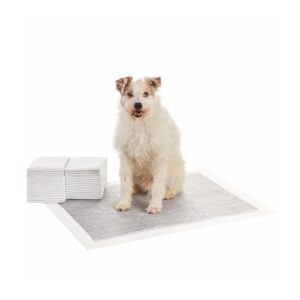


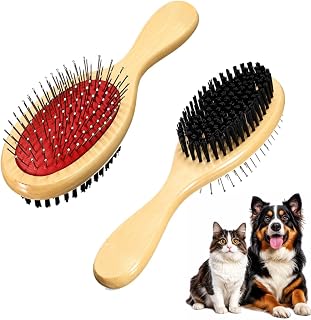




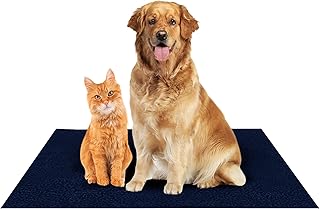


Choosing pet products in India is not simply about finding the most popular item or the lowest price. Dogs, cats and other companion animals have different sizes, activity levels, grooming requirements, eating habits and living environments, so the right product depends heavily on the individual pet. A useful buying decision considers safety, material quality, dimensions, cleaning requirements, durability, comfort and the way the product will actually be used at home.
This guide is designed as an independent buying resource for shoppers comparing pet products in India. Whether you are purchasing everyday essentials for a dog or cat, preparing for a new pet, replacing worn-out accessories or looking for products that make feeding, grooming, travel and home care easier, the specifications deserve as much attention as customer ratings.
Product availability, specifications and pricing can change, so compare the current product details and recent customer feedback before purchasing. A product that appears suitable in a photograph may have important differences in dimensions, construction, capacity, included accessories or intended use.
Pet products should be selected according to the animal rather than the category name alone. A large, energetic dog can place very different demands on a collar, bed, leash or feeding bowl than a small indoor dog. Similarly, a long-haired cat may have substantially different grooming requirements from a short-haired cat.
Start with the pet's size, age, behaviour and daily routine. Then consider where the product will be used. An item intended for an apartment may need different characteristics from one used in a house with outdoor space. India's climate also makes ventilation, washable materials, heat management and easy maintenance particularly relevant for many pet accessories.
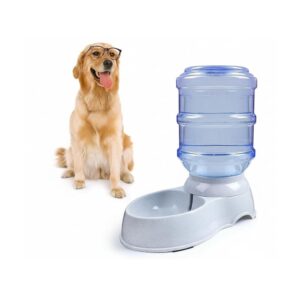
Feeding bowls are everyday products, so ease of cleaning and stability can matter more than decorative design. Stainless steel is commonly considered because it is durable and generally straightforward to clean. Ceramic bowls can be attractive and suitably heavy, but buyers should inspect the finish carefully and replace damaged or chipped items. Plastic bowls may be lightweight and inexpensive, but the specific material and surface condition should be considered, particularly if the bowl becomes heavily scratched.
Capacity should correspond to the pet and feeding routine. A very shallow bowl may be inconvenient for some animals, while an excessively large bowl can take up unnecessary space. Non-slip bases can also be useful where bowls slide across smooth floors.
For automated or electronic feeders, compare the dispensing mechanism, portion settings, power requirements, battery backup if provided, cleaning access and the design of food-contact components. Do not assume that every automatic feeder is appropriate for every type of food or feeding schedule.
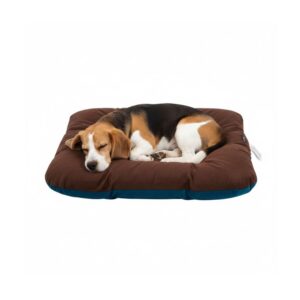
A good pet bed should provide an appropriate resting surface while remaining practical for the owner to maintain. Size is important: the pet should have enough room to lie down naturally without the bed becoming unnecessarily oversized for the available space.
Look at the filling, outer fabric, base material, stitching and whether the cover is removable. Washable covers can make routine maintenance easier. For homes in warmer parts of India, breathable mats or lighter sleeping surfaces may be more practical during hot weather, while thicker beds can be useful when temperatures are lower.
Older pets or animals with mobility limitations may benefit from a bed that is easy to enter and exit. However, buyers should distinguish general comfort features from veterinary requirements; specialised therapeutic bedding should be evaluated according to the animal's individual needs.
Walking equipment requires particularly careful sizing because an incorrectly fitted product can be uncomfortable or may fail to provide the intended control. Measure the pet according to the manufacturer's instructions and check whether the design permits appropriate adjustment.
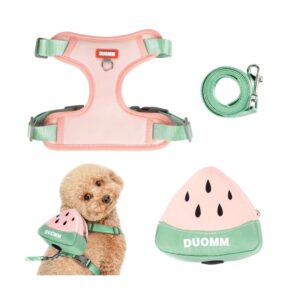
When comparing a collar or harness, inspect the buckle, adjustment points, D-rings, stitching and leash attachment. A leash should be appropriate for the pet's size and walking behaviour. Retractable designs, long leads and conventional fixed-length leashes each have different handling characteristics, so the choice should reflect where and how the pet is walked.
Brands such as Pedigree, Drools, Royal Canin and Farmina are familiar names in the Indian pet-care market, but brand recognition alone should not determine the purchase of a non-food accessory. For collars, harnesses and leashes, construction and fit are more directly relevant than the reputation of a food brand.
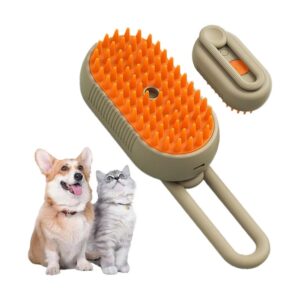
Grooming products include brushes, combs, nail-care tools, shampoos, grooming gloves and cleaning accessories. The correct choice depends on coat type and grooming frequency. A brush designed for a short coat may not be appropriate for a dense or long coat.
Before purchasing grooming equipment, consider whether the teeth, bristles or edges are suitable for the animal. Grooming should not require excessive force. If a tool catches, pulls or irritates the skin, discontinue use and reassess whether the product is appropriate.
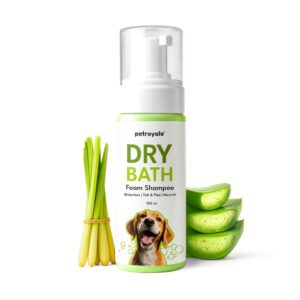
For grooming shampoos and skin-care products, read the intended-use information carefully. Products formulated specifically for animals should not automatically be treated as interchangeable with human personal-care products.
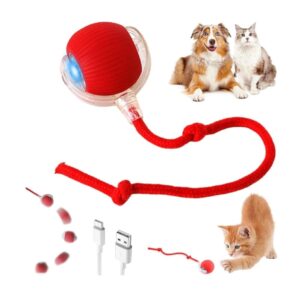
Toys should be selected according to the animal's size, chewing behaviour and play style. A toy that is suitable for supervised interactive play may not be suitable for unsupervised use. Inspect toys regularly for tears, loose components or pieces that could become detached.
Durability is not an absolute characteristic. Even a toy described as durable can eventually become damaged by a strong chewer. Buyers should therefore consider how easy the toy is to inspect and replace rather than assuming that one product will last indefinitely.
Interactive toys can provide enrichment by encouraging exploration, problem-solving or controlled activity. Puzzle feeders and treat-dispensing toys may be useful additions for some pets, but they should be introduced according to the animal's temperament and feeding routine.
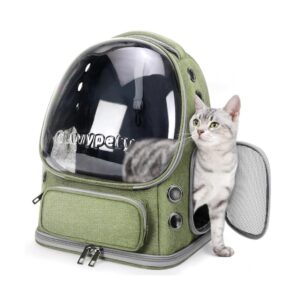
For cats and smaller pets in particular, a carrier should provide sufficient room for the animal to sit, turn and settle in a natural position appropriate to the journey. Ventilation is important, and secure closures should be checked before travel.
Compare carrier dimensions with the actual pet rather than buying based solely on a breed name. A lightweight carrier may be easier to handle, whereas a more structured design can provide greater rigidity. Features such as washable liners, accessible openings and secure handles can affect everyday usability.
Travel products should also be evaluated for the intended transport environment. A carrier suitable for occasional local trips may not have the same features required for longer journeys.
Stainless steel is frequently used for bowls and some pet accessories because it can offer a combination of durability and straightforward cleaning. Look at the construction rather than assuming that every stainless-steel product has identical quality. Thin construction, poorly finished edges or weak bases can affect usability.
Plastic products can be lightweight and convenient, especially for travel and storage. The important consideration is the specific product's intended use, construction and condition over time. Scratches, cracks and damaged surfaces should be treated as reasons to replace an item when they compromise hygiene or safety.
Ceramic bowls can be heavy and stable, making them less likely to move during feeding. Their main practical consideration is condition: chipped, cracked or damaged surfaces should not simply be ignored because the bowl still looks usable.
Fabric and foam are common in beds, mats and soft accessories. Compare removable-cover designs, stitching, filling density and drying requirements. A bed that is comfortable but difficult to wash can become inconvenient in a home with frequent shedding or muddy paws.
Flexible materials are frequently used for toys and enrichment products. Examine the entire construction and consider whether the product is suitable for the pet's chewing strength. No toy should be treated as completely indestructible.
Product descriptions often contain many specifications, but not all of them have equal importance. Focus on information that changes whether the item will work for your pet.
The cheapest product is not necessarily the best value, and the most expensive product is not automatically the highest-quality choice. A better comparison considers expected usefulness, construction, maintenance and replacement needs.
For example, two pet beds may have similar dimensions but differ substantially in removable-cover design, base construction and cleaning convenience. Similarly, two water fountains may have comparable capacities but different filter arrangements, pump access and maintenance requirements.
When comparing products, separate the purchase price from the ownership requirements. An inexpensive electronic product that requires difficult-to-find consumables may be less convenient than a slightly more expensive alternative with easily replaceable components. The same principle applies to grooming tools, feeders, fountains and other products with replaceable parts.
Size is one of the most common reasons a pet accessory fails to meet expectations. A product labelled medium can have very different dimensions between manufacturers. Always compare the manufacturer's measurements with the pet's measurements.
Colour, shape and photographs can influence a purchase, but practical features usually determine whether a product remains useful. Consider cleaning, stability, durability and fit before decorative design.
A highly rated product can still be unsuitable for a particular pet. Reviews represent individual experiences and may involve different breeds, sizes, environments and usage patterns. Read comments for recurring information about sizing, construction, cleaning and actual performance.
Pet products are exposed to fur, saliva, food residue, moisture, dirt and normal wear. Before buying, consider how frequently the item needs cleaning and whether its construction makes that process straightforward.
Filters, liners, batteries and other consumables can become an important part of ownership. Check the product documentation and current availability of relevant replacement components before choosing an electronic or filtration-based product.
Extra features are useful only when they solve a genuine problem. A simple bowl, bed or toy may be more practical than a feature-heavy alternative if the additional functions are unlikely to be used.
For dogs, the most useful starting point is usually a set of products that supports feeding, walking, resting, grooming, identification and enrichment. The exact combination depends on the dog's size, age, behaviour and lifestyle.
Well-known pet-care companies such as Pedigree, Drools, Royal Canin, Purina and Farmina may appear across different pet-care categories, but shoppers should compare the specifications of the individual product rather than assuming that all products from a familiar brand are equally suitable.
Cats often benefit from products that respect their preference for predictable, clean and comfortable environments. Feeding equipment, litter-related products, carriers, grooming tools, scratching products and toys should be selected around the cat's behaviour and the available living space.
For litter-related products, consider the dimensions, entry height, cleaning access and placement area. For carriers, ventilation, secure closures and adequate internal space are key considerations. For toys, the cat's preferred style of play is more important than choosing the most elaborate design.
Scratching products should be stable enough for the intended cat and positioned where the animal is likely to use them. A scratching post that tips easily may be less useful even if the scratching surface itself is suitable.
Climate can influence the practicality of pet products. In warmer areas, bedding and carriers should provide appropriate airflow, while water-related products should be easy to clean and maintain. Soft furnishings should not be chosen solely for thickness if the material makes routine cleaning or drying difficult.
For outdoor use, consider how materials respond to moisture, dust and repeated cleaning. Products used outside may experience faster wear than those kept indoors. Inspect them regularly and follow the manufacturer's care instructions.
Heat-related concerns involving a pet's health should not be addressed solely through accessories. If an animal shows signs of heat stress or unusual behaviour, seek appropriate veterinary advice rather than relying on cooling products as a substitute for proper care.
Even a well-made product requires routine inspection. Maintenance can extend useful life while helping identify problems before they become significant.
Customer reviews can provide useful information, but they should be treated as evidence to evaluate rather than as an automatic verdict. Start with reviews that discuss the same characteristics relevant to your purchase.
For a harness, look for recurring comments about fit, adjustment and construction. For a bed, examine comments about dimensions, filling and washing. For an electronic feeder, look for information about setup, dispensing consistency, cleaning and power requirements. For a toy, consider whether reviews mention the pet's size and chewing behaviour.
Pay attention to repeated patterns. One isolated complaint may describe an unusual situation, while dozens of similar comments about the same problem can indicate a specification or design issue worth investigating.
Recognisable brands can make product research easier because buyers may already be familiar with their product ranges, but brand reputation should not replace product-level comparison. Even established companies can sell products designed for very different purposes.
Higher-priced products can make sense when they provide a feature that materially improves usability, durability or maintenance. Examples may include stronger construction, better adjustability, more accessible cleaning, improved replacement-part availability or a design that better matches a difficult use case.
Premium pricing alone does not establish superior suitability. Before spending more, identify the specific feature that justifies the additional cost and determine whether it addresses an actual requirement for your pet.
Budget products can be perfectly appropriate for simple, low-risk applications where the construction meets the required standard. A straightforward feeding bowl, basic mat or simple toy may not require advanced features.
The key distinction is between unnecessary features and compromised construction. Saving money is sensible when you are removing features you do not need. It is less sensible when the saving comes from poor fit, difficult cleaning, weak attachment points or materials unsuitable for the intended use.
New pet owners can easily purchase too many products before understanding the animal's preferences. A better strategy is to start with essential, practical items and add specialised accessories once the pet's routine becomes clearer.
For a new dog or cat, prioritise suitable food and water equipment, an appropriate resting area, basic grooming supplies, safe enrichment and the necessary walking or travel equipment. Then evaluate what is actually being used. This approach reduces unnecessary spending and helps avoid filling the home with products that do not match the animal's habits.
Size should also be considered as the pet grows. Puppies and kittens may outgrow collars, harnesses, beds and carriers, so buying the largest possible product is not always the best strategy. Check whether adjustable products can accommodate reasonable growth without compromising fit.
If you are narrowing a shortlist of ten products, create a simple comparison based on the characteristics that matter most to your situation. Avoid assigning equal importance to every specification.
Pet products should be inspected before first use and periodically thereafter. Damage can occur through normal chewing, pulling, scratching, washing or repeated handling.
Do not assume that a product is safe simply because it is marketed for pets. Use it according to its intended purpose and supervise animals when the product presents a foreseeable risk of chewing, swallowing, entanglement or breakage.
For toys and accessories containing small components, consider the animal's size and behaviour. A product appropriate for a calm small pet may not be appropriate for a powerful chewer. Remove damaged products promptly rather than attempting to extend their use beyond their intended condition.
The best pet products depend on the animal, size, age, lifestyle and household environment. Essential categories commonly include feeding equipment, beds or mats, grooming tools, toys, walking accessories and travel products. The right choice is the one that meets the pet's requirements safely and fits the owner's maintenance routine.
Use the manufacturer's dimensions and measure your pet before buying. This is particularly important for collars, harnesses, clothing, beds, carriers and other products where fit affects comfort or functionality. Never assume that small, medium or large means the same thing across different brands.
Not necessarily. A higher price can reflect additional features, stronger construction or improved convenience, but it does not guarantee suitability. Compare the feature that explains the price difference and decide whether it provides a meaningful benefit for your pet.
There is no single material that is best for every household. Stainless steel, ceramic and plastic bowls can each have practical applications. Compare construction, cleaning requirements, stability, condition and suitability for your pet rather than choosing solely by material name.
There is no universal replacement interval because wear depends on the product, pet and frequency of use. Replace items when they become damaged, difficult to clean, structurally compromised or no longer fit the animal correctly. Toys, collars, leashes and soft furnishings should be inspected regularly.
No. Ratings are useful as one part of the research process, but they do not explain whether a product is suitable for your particular pet. Read detailed reviews for recurring information about size, durability, cleaning, setup and everyday use.
Start with essential products that support feeding, resting, hygiene, enrichment and safe movement or travel. Avoid buying large quantities of specialised accessories until you understand the pet's preferences and routine.
They can be useful when their features solve a genuine household need, but they introduce additional maintenance requirements. Compare capacity, cleaning access, power requirements, dispensing or pumping mechanisms and replacement components before purchasing.
Select toys according to the pet's size, play behaviour and chewing strength. Inspect them regularly and discontinue use if they become damaged or develop loose components. Toys intended for interactive or supervised use should not automatically be treated as suitable for unsupervised access.
The appropriate choice depends on the dog's individual needs and walking routine. Whichever product is used, correct fit, secure attachment points and appropriate adjustment are important. If you are uncertain about the right walking equipment for a particular dog, professional veterinary or qualified animal-care guidance can be useful.
The strongest pet-product purchase is rarely the one with the longest feature list. It is the product that fits the animal, performs its intended function, remains practical to clean and maintain, and provides an appropriate level of construction for the way it will be used.
Before buying, compare dimensions, materials, capacity, adjustment range, maintenance requirements and customer feedback. For electronic products, add power requirements and replacement components to the comparison. For toys and walking accessories, place particular emphasis on the animal's behaviour and regular inspection. For beds, bowls and other household products, prioritise hygiene and ease of maintenance.
Brand familiarity can help narrow a search, with names such as Pedigree, Drools, Royal Canin, Purina, Farmina, Whiskas and Sheba providing useful starting points in relevant categories. However, the individual product specification should always be the final basis for comparison.
Because products, variants and retailer information can change during 2026, verify the current specifications, customer feedback and purchase conditions before making a final decision. A careful comparison is more valuable than choosing solely from popularity, advertising claims or price.