

♥ Wishlist
Compare 57 verified Baby Diapers for Comfortable Everyday Baby Care products in India. Reviews, ratings, pros, cons and buying advice updated for October 2026.
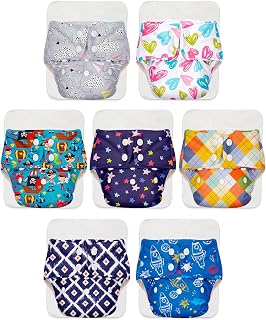


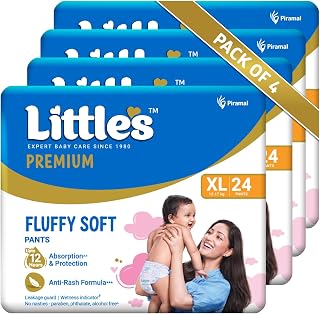


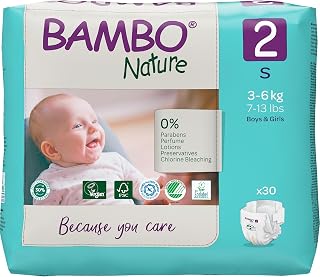


Choosing a baby diaper is not simply a matter of selecting the most popular pack or the lowest price per piece. A suitable diaper needs to balance fit, absorbency, softness, leakage protection, fastening, comfort, sizing and the baby's individual skin sensitivity. Parents in India also need to consider climate, clothing, travel requirements, overnight use and the practical difference between disposable diaper formats.
This buying guide is designed to help you compare baby diaper products available in India using meaningful criteria rather than relying on brand recognition alone. Brands such as Pampers, Huggies, MamyPoko Pants, Himalaya BabyCare, Mee Mee and other established names offer different diaper styles and size ranges, so the right choice can vary considerably from one baby to another.
The best diaper for one baby may not be the best diaper for another. Babies differ in body shape, movement, urination patterns and skin tolerance. Instead of treating a single product as universally superior, compare the following characteristics against your baby's actual needs.
Size is one of the most important factors affecting diaper performance. A diaper that is too small can leave marks around the waist and thighs, restrict movement and increase the chance of leakage. A diaper that is too large may leave gaps around the legs or waist and can shift during crawling, walking or sleeping.
Use the manufacturer's stated weight range as a starting point, but also pay attention to how the diaper fits your baby. Weight ranges can overlap between sizes, making the baby's body shape and the actual fit particularly important.
Absorbency determines how effectively a diaper handles urine and keeps liquid away from the baby's skin. Modern disposable diapers commonly use an absorbent core containing materials designed to capture and retain liquid, together with layers that help distribute moisture through the diaper.
Do not judge absorbency solely by how thick a diaper looks. A thinner diaper can be designed with a highly efficient absorbent structure, while a bulky diaper is not automatically the better performer. More useful considerations include how evenly liquid spreads, whether the diaper remains reasonably comfortable after wetting and whether it tends to become excessively heavy.
Leakage can happen for several reasons, including incorrect sizing, poor positioning, an unsuitable diaper shape, prolonged use or a diaper becoming saturated. Leg cuffs and the fit around the waist are particularly important because gaps in these areas can allow liquid to escape.
For babies who sleep for longer stretches, compare products specifically for overnight suitability rather than assuming every diaper will provide the same level of protection. During the day, a lighter diaper may be preferable if it is changed frequently and fits comfortably.
A diaper remains in contact with a baby's skin for extended periods, so the feel of the inner surface matters. Parents should look for a smooth, comfortable construction without rough areas, excessive stiffness or features that appear to rub against the thighs.
If your baby appears uncomfortable after changing to a new diaper, consider whether the issue is related to fit, friction, heat, moisture or the diaper itself. A diaper that feels comfortable during a short trial may behave differently after several hours of use, so practical observation is more useful than relying only on packaging descriptions.
India's climate varies considerably between regions and seasons. Hot and humid conditions can make diaper-area comfort more challenging, particularly when a baby wears the same diaper for an extended period.
Parents can compare diaper construction, ventilation-related claims and overall bulk, but should also focus on sensible changing practices. Even a highly absorbent diaper should not be treated as a reason to delay necessary changes indefinitely.
Taped diapers are fastened using adhesive or resealable tabs. They are commonly useful for younger babies because they can be put on while the baby is lying down. The adjustable fastening system can also make it easier to achieve a customized fit around the waist.
Pant diapers have an elasticated waistband and are pulled on like underwear. They can become particularly convenient as babies become more mobile, crawl, stand and walk.
Newborn diapers need careful attention to fit because very young babies have delicate skin and relatively small waists and thighs. Parents should also consider whether the diaper design accommodates the umbilical area when applicable.
Products marketed for extended or overnight use are intended to handle longer periods between changes, but parents should still assess their baby's needs rather than treating an overnight label as a guarantee against every leak. A proper fit remains essential.
Disposable diapers typically contain several functional layers rather than being made from a single material. Although exact construction varies by product, a simplified diaper structure can include a topsheet, acquisition or distribution layer, absorbent core, backsheet and elastic components.
The topsheet is the layer closest to the baby's skin. Its job is generally to allow liquid to pass through while providing a reasonably comfortable surface. Texture, softness and moisture-handling characteristics can differ between products.
The absorbent core is responsible for retaining much of the liquid. It can include absorbent fibres and superabsorbent materials. Product construction determines how efficiently liquid is distributed and retained.
The backsheet forms the outer barrier and helps prevent liquid from passing through onto clothing or bedding. Some products use materials designed to provide a softer, fabric-like exterior.
Elastic elements around the waist and legs help create a closer fit. They need to provide sufficient sealing without causing unnecessary pressure or leaving excessive marks.
Diaper sizing is generally based on the baby's weight, but the stated size range should not be treated as an absolute rule. Two babies with similar weights can have noticeably different waist and thigh proportions.
When comparing Pampers, Huggies, MamyPoko Pants, Himalaya BabyCare, Mee Mee or another brand, always check the specific product's current size chart. Brand-to-brand sizing should not be assumed to be identical.
A diaper may be too small even when the baby has not reached the upper end of the stated weight range. Likewise, moving to a larger size too early can create unwanted gaps.
Some baby diapers include a colour-changing wetness indicator. This can be useful for newborns and parents who want a quick visual indication that a diaper may need attention. It is a convenience feature rather than a replacement for checking the baby's comfort and hygiene.
A flexible waistband can help the diaper accommodate movement and changes in the baby's posture. It should remain secure without feeling unnecessarily tight.
Well-positioned leg cuffs help create a barrier against leakage. When putting on a diaper, parents should gently pull the cuffs outward if they have folded inward, ensuring that the elastic edges sit correctly around the legs.
Taped diapers can provide adjustable positioning, while pant diapers prioritize speed and convenience. Compare which system is more practical for your child's current stage rather than assuming one format is always superior.
Thickness is an imperfect indicator of performance. A thinner diaper may be more convenient under fitted clothing, while a bulkier construction may feel different during movement. Evaluate thickness alongside absorbency, flexibility and fit.
Keeping the diaper area clean and appropriately dry is an important part of routine baby care. A suitable diaper should not be considered a substitute for regular changes or good hygiene practices.
If a baby develops persistent redness, swelling, broken skin, significant discomfort or another concerning skin change, parents should seek advice from an appropriately qualified healthcare professional. It is also sensible to stop using a product if there appears to be a clear connection between a new product and repeated irritation until the cause can be assessed.
There is no single universal timetable that applies to every baby. Change frequency depends on age, feeding, urine and bowel movements, the baby's skin, the diaper's capacity and individual circumstances.
The lowest cost per diaper is not necessarily the best value if the product does not fit well or frequently leaks. A slightly more expensive diaper may be more economical in practice if it reduces clothing changes, bedding problems or unnecessary waste caused by poor fit.
Buying a large quantity can appear convenient, but babies grow quickly and may move between sizes. A product that works well for a small trial may not remain suitable after a size change. When possible, evaluate fit before committing to a large stock-up.
Brand reputation can be useful when creating a shortlist, but it cannot guarantee the right fit for every child. Established brands such as Pampers and Huggies offer multiple product lines, while MamyPoko Pants and other manufacturers provide additional formats and sizing options.
Parents sometimes continue using a style that is inconvenient for the baby's current stage. A highly active toddler may be easier to manage with a pant-style design, whereas taped diapers can be particularly practical for younger babies.
Different packs contain different numbers of diapers. To compare value fairly, calculate the effective cost per diaper rather than comparing only the printed pack price.
High absorbency can be useful for longer intervals, but daily diaper selection also involves flexibility, comfort, fit and changing habits. The best choice depends on when and where the diaper will be used.
When comparing brands such as Pampers, Huggies, MamyPoko Pants, Himalaya BabyCare and Mee Mee, focus on the individual product rather than judging the entire brand as a single category.
Customer reviews can provide useful information, but they should be interpreted carefully. A single review describing a leak or irritation does not establish that every baby will have the same experience. Conversely, a large number of positive reviews does not guarantee a perfect fit for your child.
Look for recurring patterns across reviews, particularly comments relating to sizing, leakage, softness, waistband fit, ease of use and changes after moving to another size. Reviews that clearly identify the baby's approximate weight and the size purchased can be more useful for fit comparison than vague statements.
Diaper costs can become a significant recurring household expense, so unit-price comparison is valuable. Divide the total pack price by the number of diapers in the pack to estimate the cost per diaper. Then compare products at the same size and similar use case.
For example, a larger pack may have a lower cost per diaper than a smaller pack, but only if the baby can comfortably use the entire quantity before moving to the next size. Promotions should also be evaluated using the actual final price and pack count rather than the percentage discount alone.
Newborns can require frequent changes, making convenience and fit especially important. Parents should avoid buying a large quantity of a newborn size simply because it is intended for the earliest stage. Growth rates differ, and some babies move quickly into the next size.
When comparing newborn diapers, pay particular attention to the waistband, leg openings, overall softness, ease of fastening and any design features intended to avoid unnecessary pressure around the umbilical area.
Once babies begin crawling, standing and walking, diaper movement becomes an increasingly important consideration. A diaper that remains secure while the child changes position can reduce the likelihood of gaps developing around the waist or legs.
Pant-style diapers can be convenient during this stage because they can be pulled on quickly. However, the correct size remains essential. An elasticated waistband should hold the diaper securely without leaving excessive marks.
Travel creates different priorities from normal home use. Parents may value convenient changing, secure packaging and predictable fit more than they would for a short period at home.
Store disposable diapers in a clean, dry environment away from excessive moisture and contamination. Avoid storing open diaper packs in areas where they can become damp or dirty. Follow the manufacturer's packaging and storage instructions when available.
Before use, inspect diapers for obvious damage or unusual contamination. If a diaper appears defective, damaged or substantially different from the expected product, do not use it and consult the appropriate retailer or manufacturer support channel.
Disposable diapers create waste, so environmental impact is a reasonable consideration when comparing products. However, packaging claims about environmental benefits should be read carefully and in context.
Look at the actual product and packaging information rather than assuming that a particular marketing term means the diaper has a specific environmental certification or disposal pathway. Availability of waste-management facilities also varies across India, so disposal practices can depend on the local area.
Value is broader than the lowest purchase price. A good-value diaper should provide an appropriate combination of fit, comfort, absorbency, reliability and convenience at a cost that suits the household.
Rather than searching for one diaper that is supposedly the best for every circumstance, consider maintaining a simple decision framework. Start with a diaper that fits the baby's current weight and body shape. Test its comfort and leakage performance during normal daytime use. If it performs well, evaluate whether the same product is also suitable for longer periods such as naps or overnight use.
If the product does not perform as expected, change one variable at a time where practical. A different size can solve a fit problem, while a different product style may solve a convenience problem. This approach makes it easier to identify whether the issue comes from sizing, construction or the baby's changing needs.
There is no single diaper that is objectively best for every baby. The most suitable choice depends on the baby's weight, body shape, activity level, skin tolerance, required absorbency and the family's budget. Compare products such as Pampers, Huggies, MamyPoko Pants, Himalaya BabyCare and Mee Mee using the exact size and product variant rather than comparing brand names alone.
No. Price does not by itself establish that a diaper will fit your baby better or provide better comfort. Compare the product's construction, size range, absorbency-related features, customer feedback and cost per diaper.
Taped diapers can be particularly convenient for younger babies who are changed while lying down. Pant-style diapers can be convenient for crawling, standing and walking babies. The better format depends on the child's developmental stage and your preferred changing routine.
Look for persistent deep marks, difficulty fastening the diaper, frequent leakage despite correct positioning and signs that the diaper no longer comfortably covers the necessary area. Check the manufacturer's next size and its stated weight range before changing.
Some products may work well for both, while others may be more appropriate for specific periods. If nighttime leakage occurs, reassess fit, changing habits and whether the product is appropriate for longer wear.
Calculate the price per diaper by dividing the pack price by the number of diapers. Compare products at the same size and consider whether the pack quantity is practical for the baby's current growth stage.
Yes, when used carefully. Look for recurring patterns in reviews and prioritize feedback that identifies the baby's approximate weight, selected size and actual use case. Do not treat isolated experiences as universal results.
Change frequency varies by age, feeding, urine and bowel movements, skin condition and individual circumstances. Check the diaper regularly and change promptly after bowel movements or whenever a change is needed for hygiene and comfort.
Consider stopping the suspected product and discussing persistent or significant skin problems with a qualified healthcare professional. Fit, moisture, friction and other factors can also contribute to irritation, so the cause should not automatically be attributed to one material or feature.
Most established diaper ranges offer multiple sizes, but the exact sizes, weight ranges and product formats differ between manufacturers. Always check the current product listing and manufacturer's size information for the exact variant you are considering.
The best baby diaper products in India are not necessarily the ones with the strongest advertising or the highest headline rating. A better buying decision comes from matching the diaper to the baby's current size, body shape, activity level, changing routine and household budget.
Before purchasing, compare the exact product variant, size range, diaper count, construction, fit-related features and recent customer feedback. Check the effective cost per diaper rather than only the pack price, and avoid buying an unnecessarily large stock when your baby is close to moving to another size.
For an independent buying decision, use established brands such as Pampers, Huggies, MamyPoko Pants, Himalaya BabyCare and Mee Mee as starting points for comparison, then evaluate the specific diaper model that matches your requirements. Product specifications, pack sizes and retailer pricing can change, so verify the current information before placing an order.