

♥ Wishlist


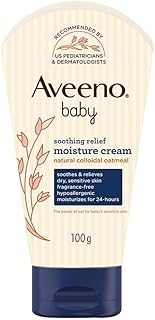
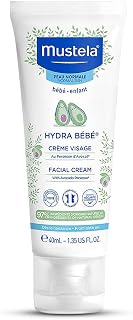


A baby face cream is designed to moisturise the delicate skin on a baby's face. Unlike general adult facial products, baby skincare is usually formulated with younger, more sensitive skin in mind. Parents can use the category to compare products according to texture, ingredients, skin type, age guidance, and intended purpose.
Baby skin may lose moisture more quickly than adult skin, making regular gentle care useful when dryness appears. A moisturising cream can help reduce the feeling of tight or rough skin by adding hydration and supporting the skin's natural moisture barrier. However, not every product suits every child, so parents should check the label and follow the recommended application instructions.
Ingredient selection is an important consideration when buying skincare for babies. Parents may prefer simple formulations designed for sensitive skin. Products with moisturising ingredients can be useful when the skin feels dry, while a lightweight cream may be more comfortable in warm or humid Indian weather.
Always read the product label before purchase. Check the recommended age, usage instructions, ingredients, storage information, and any stated precautions. If your child has particularly sensitive skin or an existing skin concern, consulting a paediatrician or dermatologist can help you choose an appropriate skincare product.
India has varied weather conditions, from humid coastal regions to dry inland areas and colder northern winters. These differences can influence how a baby's skin feels throughout the year. During hot and humid weather, parents may prefer a lighter texture that feels comfortable without leaving a heavy layer. In colder or drier conditions, a richer moisturiser may be preferred for areas that feel dry.
Seasonal changes can also affect a baby's skincare routine. A product that feels comfortable during summer may not provide the same moisturising feel during winter. Rather than applying a large quantity, follow the manufacturer's directions and use an appropriate amount on clean, dry skin.
Start with clean hands and gently cleanse the baby's face using a suitable baby cleanser or plain water as appropriate. Pat the skin dry rather than rubbing it. Apply a small amount of face cream according to the product instructions and spread it gently over the intended areas.
Avoid the eyes, mouth, and other areas where the product is not intended to be used. Do not apply skincare products to broken or irritated skin unless a healthcare professional recommends doing so. If redness, swelling, itching, or other unusual reactions develop, stop using the product and seek appropriate medical advice.
Shopping for baby skincare becomes easier when you compare products against your child's actual needs. Start by checking whether the product is specifically intended for babies and whether its recommended age matches your child. Then consider the formulation, texture, ingredients, pack size, and directions for use.
Parents may also want to consider how often the product will be used. A smaller pack can be convenient for trying a new product, while a larger pack may suit regular use if the product works well for your child. Store creams as directed and check the expiry or use-before information before applying them.
Keeping a baby's skincare routine simple can make daily care easier. A mild cleanser, suitable moisturiser, and appropriate sun protection for babies when recommended can form part of a basic routine. Parents do not necessarily need numerous products for everyday care.
Remember that baby face cream is intended for moisturising and skincare, not for treating an undiagnosed skin condition. Persistent dryness, rashes, scaling, or irritation may require professional assessment rather than repeated changes in cosmetic products.
Comparing available baby face creams can help parents identify a product that matches their preferences and their child's skincare requirements. Look at the product description, ingredient information, size, usage instructions, and suitability details before making a purchase.
For Indian shoppers, practical factors such as climate, everyday routine, and value for money can also influence the decision. Choosing based on clear product information rather than packaging alone helps create a more considered baby skincare routine.
Baby skin is delicate and can become dry or uncomfortable due to weather, bathing, air conditioning, or everyday exposure. A suitable baby face cream can help provide gentle moisturisation and support a comfortable skincare routine. Parents in India can consider different textures and formulations based on their baby's age, skin needs, and the climate in their region. When choosing a face moisturiser for a baby, look beyond packaging and consider the ingredient list, intended use, skin sensitivity, and directions provided by the manufacturer. A simple, gentle product can be a practical addition to everyday baby care, particularly during dry winter months or in areas with low humidity.