

♥ Wishlist
Compare 58 verified Pet Food for Dogs and Cats products in India. Reviews, ratings, pros, cons and buying advice updated for October 2026.





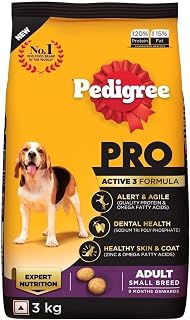
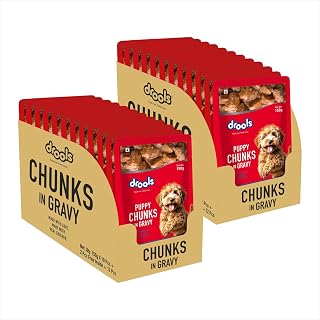


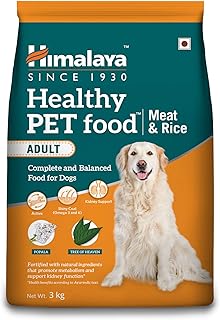
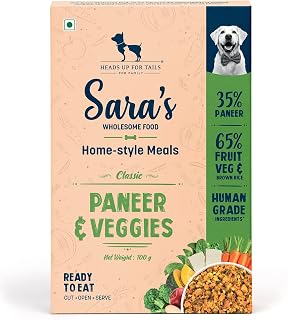


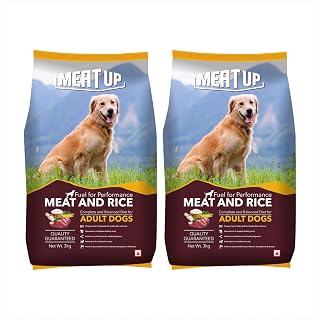
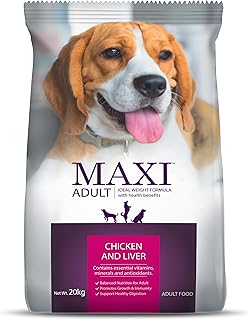


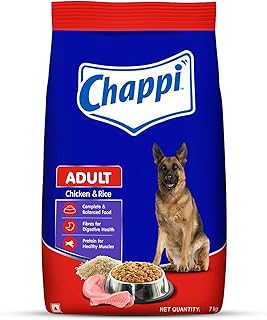


Choosing pet food is not simply a matter of selecting the most popular bag or the product with the highest number of customer ratings. Dogs and cats have different nutritional requirements, and even animals of the same species can need different diets depending on age, body condition, activity level, breed size, lifestyle and individual dietary needs.
For Indian pet owners, the buying decision also involves practical considerations such as storage conditions, pack size, feeding frequency, ingredient quality, availability through reputable retailers and whether the food remains suitable for the pet as its nutritional requirements change. This guide is intended to help readers evaluate those factors when comparing dog food, cat food, dry food, wet food and other mainstream pet-food options.
Dog and cat foods should not be treated as interchangeable products. Cats are obligate carnivores and have nutritional requirements that differ substantially from those of dogs. A complete cat diet must provide nutrients such as taurine in appropriate amounts, while dog food is formulated around canine nutritional requirements.
Dogs are more nutritionally flexible than cats, but that does not make every dog food appropriate for every dog. Puppies, adult dogs and senior dogs can have different nutritional priorities, while large-breed and small-breed dogs may benefit from appropriately formulated diets.
One of the most important details to check on a pet-food package is whether the food is intended to provide a complete diet or whether it is designed for supplementary feeding.
A food described as complete is intended to provide the nutrients required when fed according to the manufacturer's feeding guidance. Treats, toppers, complementary foods and snacks are different categories and should not automatically be considered substitutes for a nutritionally complete main diet.
When comparing products, look beyond phrases such as premium, natural or holistic. These marketing terms do not by themselves tell you whether a food is nutritionally appropriate for your particular pet. Examine the product's intended species, life stage, feeding directions and nutritional information.
A dog-food label provides considerably more useful information than the front of the package alone. Before buying, identify the intended life stage and whether the food is presented as a complete diet.
Ingredient lists should be interpreted in context. The first few ingredients can help explain the principal components of a formula, but an ingredient list alone does not establish the overall nutritional adequacy of the food. Nutrient concentrations, formulation purpose and feeding instructions matter as well.
Cat owners should pay particular attention to whether the food is specifically formulated for cats and whether it is intended as a complete diet. Cats have distinctive nutritional requirements, so using dog food as a regular substitute is not an appropriate strategy.
There is no single format that is automatically best for every healthy dog or cat. Dry and wet foods have different practical characteristics, and many owners choose one format or a combination based on the animal's preferences, nutritional needs and household routine.
Dry food is convenient to portion, generally easy to store and practical for households that feed on a scheduled basis. The lower moisture content means owners should pay attention to their pet's overall water intake. Dry food can also be easier to measure consistently than some wet-food formats.
Wet food contains substantially more moisture than conventional dry food and can be attractive to pets that prefer softer textures or stronger aromas. Once opened, however, it requires appropriate refrigeration and handling according to the manufacturer's instructions.
Combining dry and wet food can provide variety and increase moisture intake while retaining some of the convenience of dry food. The important consideration is total daily calorie intake. Adding wet food or toppers without adjusting the quantity of the existing diet can unintentionally increase calorie consumption.
Ingredient quality is an important part of product comparison, but it should not be considered independently from nutritional adequacy. A formula containing attractive-sounding ingredients is not necessarily better for an individual animal if its overall nutritional profile is unsuitable.
Protein sources may include chicken, lamb, fish, egg or other animal-derived ingredients. The specific source can matter for palatability and for animals that have demonstrated dietary sensitivities. However, an ingredient being listed first does not by itself provide enough information to determine the nutritional quality of the complete formula.
Depending on the formula, carbohydrates may come from ingredients such as rice, maize, wheat, barley, oats, potatoes or other plant sources. The suitability of a particular carbohydrate source depends on the complete formulation and the individual pet.
Dietary fats provide concentrated energy and contribute essential fatty acids. Sources can include animal fats and plant oils, while some formulas include fish-derived oils as a source of omega fatty acids.
Fibre can contribute to normal digestive function and stool quality. Different types of fibre have different functional characteristics, so the crude-fibre percentage alone does not tell the entire story.
High-protein marketing is common in pet food, but higher protein is not automatically better in every situation. The appropriate nutritional profile depends on the animal's species, life stage, body condition, activity and health status.
When comparing two foods, consider protein together with fat, calories, moisture and feeding quantity. A food with a high percentage of protein on the label may not deliver the same amount of protein per calorie as another product because moisture and energy density affect comparisons.
Feeding amounts should not be determined solely by the size of the scoop or the volume of food. Calorie density can vary considerably between formulas.
This becomes especially important when changing between brands or between dry and wet food. If a new formula contains more calories per gram, feeding the same physical quantity as the previous formula could lead to excessive calorie intake.
Puppies are growing rapidly and require diets formulated for growth rather than simply smaller portions of adult food. The appropriate formula can also depend on expected adult size.
Large-breed puppies deserve particular attention because inappropriate growth nutrition can contribute to developmental problems. Owners should follow the manufacturer's feeding guidance and seek veterinary advice when uncertain about the appropriate diet.
When comparing puppy food, verify the intended life stage and, where applicable, the intended size category. Avoid switching diets frequently simply because another product has more attractive packaging or promotional claims.
Adult dogs have different energy requirements depending on their size, activity and lifestyle. A highly active working dog may require a different calorie intake from a sedentary companion dog of similar weight.
Monitor body condition rather than assuming the feeding recommendation printed on the package is a fixed prescription. Feeding tables provide starting guidance, while the dog's response should help determine whether the quantity is appropriate.
Senior dogs can experience changes in activity, body composition, appetite and dental condition. Some may need a lower-calorie diet because activity has decreased, while others may require nutritional adjustments for individual health concerns.
There is no universal senior-dog formula that is automatically suitable for every older dog. If an older dog has kidney, liver, heart, digestive, joint or other diagnosed health problems, dietary decisions should be discussed with a veterinarian.
Kittens need nutrition that supports rapid growth and development. A food intended specifically for kittens is generally preferable to choosing an adult cat food simply because the kitten likes its taste.
Check the intended life stage and follow the feeding guidance. Kittens may require more frequent meals than adult cats, depending on age and the feeding routine recommended by the owner and veterinarian.
Adult cats vary considerably in activity level, body size and lifestyle. Indoor cats may have lower energy expenditure than highly active cats, although individual differences are substantial.
Monitor body condition and adjust portions when necessary. Cats that gain or lose weight unexpectedly should not simply be switched between foods without considering potential underlying causes.
Older cats can develop changing nutritional and health requirements. Dental problems, reduced appetite, changes in body weight and chronic diseases can all affect food selection.
A senior cat with a diagnosed condition may require a therapeutic diet rather than an ordinary senior-maintenance product. Veterinary guidance is particularly important when there is persistent weight loss, reduced appetite, vomiting, diarrhoea or a noticeable change in drinking or urination.
Breed size can influence the most appropriate feeding approach, especially for dogs. Small dogs may need energy-dense food in manageable portions, while large dogs have different physical and nutritional considerations.
Breed-specific formulas can be useful when their nutritional profile and feeding characteristics genuinely match the dog's requirements. However, breed-specific branding should not replace evaluation of the complete nutritional profile.
Indoor cats may expend less energy than outdoor cats, although lifestyle alone does not determine calorie requirements. A food marketed for indoor cats may provide a useful starting point, but portion control remains important.
Indoor cats can also benefit from environmental enrichment, appropriate activity and access to fresh water. Food selection should therefore be considered alongside the broader feeding and lifestyle routine.
Dogs with high levels of physical activity can have substantially different energy needs from sedentary companion animals. Sporting, working and highly active dogs may require a more energy-dense nutritional strategy.
Do not assume that simply selecting the highest-calorie food is appropriate. The correct choice depends on the dog's activity, body condition, workload, environment and individual response.
Grain-free does not automatically mean healthier, more digestible or nutritionally superior. The absence of grains is only one characteristic of a formula and does not, by itself, establish quality.
Similarly, the presence of grains does not automatically mean that a food is poor quality. Owners should evaluate the complete formula and the individual animal rather than making a purchase decision based on a single ingredient category.
Products described as suitable for sensitive digestion can be useful for some pets, but digestive problems have many possible causes. A change in food can sometimes help, but persistent gastrointestinal symptoms deserve appropriate veterinary evaluation.
When testing a new food for a pet with a sensitive digestive system, avoid introducing several new treats, toppers and supplements at the same time. Otherwise, it becomes difficult to determine which change affected the animal.
Limited-ingredient formulas are designed with a narrower ingredient profile, while novel-protein diets use protein sources that may be less familiar to a particular animal. These products can have a role when managing suspected dietary sensitivities.
However, suspected food allergies should not be diagnosed simply by reading online reviews. A properly managed elimination diet is more reliable when conducted with veterinary guidance, particularly when symptoms are persistent or severe.
Some medical conditions require nutritional management that ordinary commercial maintenance foods are not designed to provide. Examples can include certain kidney, urinary, gastrointestinal and metabolic conditions.
A therapeutic diet should be selected according to the animal's diagnosis and veterinary recommendations. A product should not be considered equivalent to a prescription diet merely because its packaging mentions a similar health concern.
Indian consumers may encounter established international and domestic brands including Royal Canin, Purina, Hill's, Farmina, Drools, Pedigree, Whiskas, Me-O, Purepet and Arden Grange. Brand familiarity can be useful when creating a shortlist, but the specific formula should still be evaluated for the individual pet.
Customer reviews can reveal useful practical information, but they should not be treated as scientific evidence that a particular food is suitable for every animal.
Useful reviews may mention palatability, kibble size, packaging, freshness upon delivery or whether a pet accepted the food. Less useful reviews often make broad claims based on one animal's experience.
Look for recurring patterns across multiple verified customer reviews rather than relying on a single highly positive or highly negative comment. Also distinguish reviews of the seller or delivery experience from reviews of the actual nutritional product.
The lowest purchase price does not necessarily represent the lowest feeding cost. Compare pack size, feeding quantity and calorie density where possible.
Words such as premium, natural, real meat or holistic can attract attention, but they should not replace careful label evaluation.
Puppies, kittens, adult pets and seniors have different nutritional requirements. Always check the intended life stage.
Sudden dietary changes can cause digestive upset in some pets. Unless a veterinarian advises an immediate change for a specific reason, gradual transitions are generally easier for many animals.
Treats, dental snacks, toppers and table foods contribute to total calorie intake. They should be considered when evaluating the pet's overall diet.
A large pack can appear economical, but it is not necessarily a good purchase if the pet refuses the food or develops digestive problems after the change. When introducing a new formula, a smaller appropriate pack can reduce unnecessary waste.
A gradual transition is often preferable when changing a healthy pet's routine diet. Introduce increasing amounts of the new food while reducing the old food over several days, monitoring appetite, stool consistency and overall tolerance.
The exact transition period can vary between animals. Pets with a history of digestive sensitivity may require a slower approach. If significant vomiting, diarrhoea, refusal to eat or other concerning symptoms occur, seek veterinary advice rather than repeatedly changing foods.
Storage deserves particular attention in warm and humid conditions. Exposure to heat, humidity, oxygen and contamination can affect food quality after opening.
Before purchasing, inspect the packaging for visible damage and check the batch and expiry information. Avoid products whose packaging appears compromised, especially where the seal has been broken or the contents may have been exposed to moisture.
When shopping through online marketplaces, compare the listed product information with the packaging received. If the product received differs materially from the listing, contact the relevant retailer or marketplace through its customer-service process.
Comparing only the price printed against two bags can produce a misleading result. A better comparison considers pack weight, feeding quantity and calorie density.
A more expensive bag can sometimes have a lower daily cost if the recommended feeding quantity is substantially smaller, while the reverse can also be true. Always compare like-for-like information.
Kibble size can influence whether a dog or cat readily eats a particular dry food. Small dogs may find very large pieces inconvenient, while some larger dogs may prefer larger kibble.
For cats, texture and shape can influence acceptance. However, owners should not assume that kibble shape alone provides meaningful dental benefits. Dental health requires an overall oral-care strategy and appropriate veterinary attention.
A pet's willingness to eat a food is important, but palatability should not be the only selection criterion. An animal may enthusiastically eat a food that does not suit its nutritional needs, while another nutritionally appropriate food may require a careful transition before acceptance.
The best practical choice is usually the food that is nutritionally appropriate, tolerated well, accepted by the pet and realistic for the owner's feeding routine and budget.
Fresh drinking water should be available to dogs and cats as part of normal care. Wet food contributes more water than dry food, but the appropriate feeding routine depends on the individual animal.
Changes in drinking behaviour can sometimes indicate a health issue. If a pet suddenly begins drinking substantially more or less than usual, the change should not automatically be attributed to the food.
Weight management is primarily about appropriate energy intake relative to energy expenditure. Simply selecting a food labelled light or weight control does not guarantee weight loss.
Owners should monitor body condition, measure portions accurately and account for treats. For overweight pets, a veterinarian can help establish a safe weight-management plan and determine whether a therapeutic weight-management diet is appropriate.
Households with several animals face additional feeding challenges. Dogs may attempt to eat cat food because of its palatability, while cats may eat dog food if it is freely accessible.
Separate feeding areas, scheduled meals or appropriately controlled access can help reduce food stealing. The objective is to ensure that each animal receives the diet intended for its species and nutritional requirements.
The largest available package is not automatically the best value. Consider the pet's daily consumption, storage conditions, product shelf life after opening and how quickly the food will be used.
Online marketplaces can make it easier to compare brands, pack sizes, customer feedback and specifications. However, buyers should evaluate the exact product listing rather than assuming every listing under a brand name represents the same formula.
Local pet stores can be useful when owners want to inspect packaging before purchasing or need food quickly. They can also provide an opportunity to compare different pack sizes in person.
Regardless of where the food is purchased, check packaging integrity, expiry information and storage conditions. Do not assume that a familiar shop eliminates the need to inspect the product.
Veterinary guidance is particularly important when a pet has an existing medical diagnosis, persistent digestive symptoms, unexplained weight changes, urinary problems, food-allergy concerns or a significant change in appetite.
It is also sensible to seek professional advice when feeding a puppy or kitten with unusual growth concerns, an elderly animal with multiple health conditions, or a pet that repeatedly refuses otherwise familiar food.
No single symptom proves that a particular food is responsible, because similar signs can have many causes. Nevertheless, owners should pay attention to persistent or significant changes following a dietary change.
When symptoms are significant or persistent, changing brands repeatedly can make the situation harder to evaluate. Veterinary assessment is more appropriate.
If this page presents ten shortlisted dog or cat food products, compare them using a consistent framework rather than simply ranking them by overall star rating.
There is no universally best food for every dog or cat. The right choice depends on species, life stage, body condition, activity level, dietary tolerance, health requirements and feeding preferences. Compare the exact formulas rather than selecting solely by brand popularity.
Look for a complete food specifically formulated for puppies and appropriate for the puppy's expected size where applicable. Follow the manufacturer's feeding instructions and seek veterinary guidance if growth or health concerns are present.
Choose a complete food formulated specifically for kittens and use the manufacturer's feeding guidance. Kittens have different nutritional requirements from adult cats and should not simply be fed an adult maintenance diet.
Dogs and cats have different nutritional requirements, so dog food should not be used as a cat's regular diet. If a cat accidentally eats a small amount of dog food, the appropriate response depends on the circumstances, but regular feeding should use food formulated for cats.
Cat food is formulated for feline nutritional requirements and should not normally replace a dog's complete diet. Occasional access is different from using cat food as the dog's regular nutritional source.
Neither format is automatically best for every pet. Dry food is convenient and easy to portion, while wet food provides substantially more moisture and may be more appealing to some animals. The best choice depends on the pet and the overall diet.
No. Price alone does not establish nutritional suitability. Compare the formula, intended use, nutritional information, feeding quantity, ingredients, storage requirements and the individual pet's response.
Frequent changes are generally unnecessary when a pet is doing well on an appropriate complete diet. When a change is needed, a gradual transition can help some animals adapt more comfortably.
Feeding frequency depends on species, age, individual needs and the specific feeding plan. Puppies and kittens generally have different feeding schedules from adult animals. Follow the food manufacturer's guidance and veterinary recommendations where applicable.
Body weight alone does not provide the complete picture. Body-condition assessment considers factors such as visible body shape and the amount of fat covering the ribs. A veterinarian can provide a more reliable assessment and recommend an appropriate weight-management plan.
No. Grain-free is a formulation characteristic, not a universal measure of nutritional quality. Evaluate the complete diet and the individual pet's requirements rather than making the decision solely on the presence or absence of grains.
Marketing terminology should not replace nutritional evaluation. Look for clear information about the intended species and life stage, nutritional adequacy, feeding directions and ingredients.
Do not repeatedly force dietary changes without considering why the pet is refusing the food. A gradual transition may improve acceptance for some animals. Persistent appetite loss, particularly in cats, warrants professional attention.
Dry food should generally be protected from heat, humidity and contamination and stored according to the manufacturer's instructions. Opened wet food normally requires refrigeration and should be used within the stated period.
Yes. Treats contribute to the pet's overall intake. A diet can become unnecessarily calorie-dense when treats, toppers and table foods are added without adjusting the main food.
The strongest purchasing decision is rarely based on one headline claim, one star rating or one ingredient. Instead, compare the complete formula against the needs of the individual dog or cat.
Start with species and life stage, then consider nutritional adequacy, calorie density, ingredients, feeding quantity, moisture, pack size, storage and cost. Use verified customer feedback for practical information, but do not treat individual reviews as a substitute for nutritional or veterinary expertise.
For healthy pets, consistency and appropriate portion control are often more useful than continually switching between fashionable formulas. For pets with medical conditions, suspected allergies, persistent digestive problems or unexplained changes in appetite or weight, professional veterinary guidance should take priority over general online buying recommendations.
Because formulations, packaging, sellers and availability can change, check the latest product label and current retailer information before purchasing. Comparing the exact product specifications available at the time of purchase is the safest way to make an informed decision in 2026.