

♥ Wishlist
Compare 60 verified Pet Toys for Dogs and Cats products in India. Reviews, ratings, pros, cons and buying advice updated for October 2026.


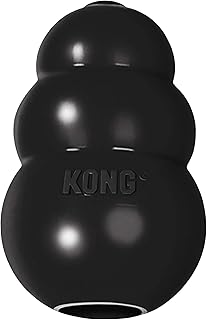


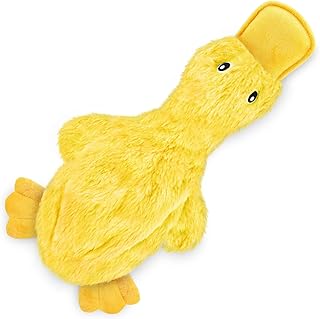


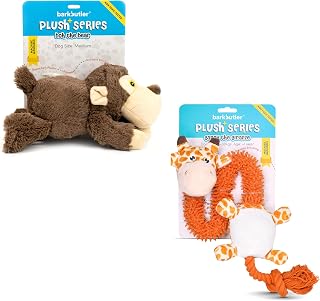


Choosing the right pet toy is about more than finding something colourful or inexpensive. A useful toy should match your pet’s species, age, size, chewing strength, activity level and play style while being practical for the conditions in your home. For Indian pet owners, factors such as indoor living, warm weather, washable materials, availability of replacement parts and the suitability of products for dogs or cats can also influence the buying decision.
This guide is designed to help compare pet toys on meaningful criteria rather than relying on appearance alone. When evaluating products from brands such as Kong, Chuckit!, Nylabone, Trixie, PetSafe and other established manufacturers, check the individual product specifications because construction, dimensions and intended use can vary substantially between models.
A good pet toy should serve a clear purpose. Some toys are primarily designed for interactive play, others encourage chewing, while puzzle toys are intended to provide mental stimulation. There is no single toy that is automatically best for every pet.
Chew toys are particularly relevant for dogs that naturally spend considerable time chewing. Rubber, nylon and other purpose-designed materials are commonly used, but hardness alone should not be treated as proof of safety. Excessively hard materials can potentially damage teeth, so owners should consider their dog’s chewing style and follow the manufacturer's intended-use guidance.
Products from brands such as KONG and Nylabone are available in different designs and sizes. Always compare the specific model rather than assuming that every product from a brand has identical characteristics.
Fetch toys are designed for interactive play between an owner and pet. Balls, flying discs and retrieving toys can encourage physical activity while also creating opportunities for training.
When comparing fetch toys, consider visibility, size, grip, durability and whether the material is intended for outdoor use. Chuckit! is one established brand with a range of fetch-oriented products, but the specifications of individual models should be checked before purchase.
Puzzle toys can make pets work to obtain food or treats, turning part of their daily feeding routine into an enrichment activity. They can be useful for pets that enjoy problem-solving or become bored with conventional toys.
Difficulty matters. A toy that is immediately solved may provide limited challenge, whereas an excessively difficult design may cause frustration. Start with an appropriate difficulty level and observe how the pet interacts with the toy.
Soft toys can be suitable for gentle play, carrying and comfort, but they are not necessarily appropriate for aggressive chewers. Seams, fabric, stuffing and attached components should be inspected regularly.
A plush toy should be removed when it becomes damaged enough for the pet to access stuffing or internal components. The fact that a toy is marketed for pets does not mean it can remain safe indefinitely once it has been substantially damaged.
Interactive toys can provide additional stimulation through movement, sound or automated play. They can be useful in homes where an owner wants to supplement, rather than replace, supervised interaction.
Battery-powered products require additional checks. Look at battery access, charging requirements, cleaning instructions and the manufacturer's guidance about supervision. Electronic toys should never be selected solely because they appear technologically advanced.
Dogs and cats have different natural play behaviours, so a toy designed for one species should not automatically be considered suitable for another.
Dogs often respond strongly to retrieving, chewing, tugging and food-based enrichment. Cats commonly benefit from toys that encourage stalking, chasing, pouncing and object manipulation. Wand toys, lightweight chase toys and appropriately designed interactive toys can therefore be more relevant to feline behaviour than conventional dog balls or chew products.
For households with multiple types of pets, keep species-specific toys separate when necessary and check the manufacturer's intended use. A product suitable for a cat may not withstand a dog's bite, while a heavy dog toy may be unsuitable for a small cat.
Size is one of the most important specifications to examine before buying a pet toy. Do not select a toy based only on the pet's breed name. Individual animals can differ significantly in body size, jaw strength and playing habits.
Rubber is widely used for dog toys because it can provide a balance between flexibility and durability. The exact formulation and hardness differ between products, so material descriptions should be read alongside the intended use.
Nylon chew toys can be attractive to owners seeking long-lasting products. However, harder does not automatically mean better. Dogs with particular chewing patterns may experience tooth-related problems with excessively hard chew materials, making supervision and manufacturer guidance important.
Fabric toys can be lightweight and comfortable to carry, but they generally require closer inspection for tearing and exposed seams. They are often better suited to pets that do not aggressively destroy toys.
Some treat toys and enrichment products use food-oriented materials that are designed to hold treats or food. When purchasing such a product, check whether the manufacturer provides cleaning and food-use instructions rather than assuming that any soft material is automatically suitable for feeding.
One of the most common buying mistakes is selecting a toy solely because it is advertised as indestructible or extremely tough. No pet toy should be assumed to be genuinely indestructible.
Durability should be considered in relation to the individual pet. A toy that lasts months for a gentle chewer may be damaged quickly by a powerful chewer. Conversely, a very hard product that survives intense chewing may not be the most appropriate choice for dental safety.
Look for clear information about intended use, recommended animal size and chewing behaviour. After purchase, inspect the toy regularly rather than relying on its original marketing description.
Supervision is especially important when introducing a new toy. Observe how the pet uses it rather than assuming it will behave with the toy in the same way as another animal.
There is no universal replacement schedule because wear depends on material, frequency of use and the pet's behaviour. Instead of replacing every toy at a fixed interval, inspect toys routinely.
A rubber toy may develop cracks, a plush toy may expose stuffing, a rope toy may become heavily frayed and a plastic puzzle may develop broken components. These changes are more useful indicators than the number of weeks or months the product has been owned.
It is sensible to rotate toys so that pets have variety without requiring every toy to remain in constant use. Rotation can also make familiar toys interesting again.
Cleaning requirements vary considerably by material and design. Treat-dispensing toys can accumulate food residue in areas that are difficult to reach, while plush products may retain moisture if they are not dried properly.
Many pets in India spend substantial time indoors, making toys useful for enrichment as well as recreation. Apartments and smaller homes can benefit from toys that provide mental stimulation without requiring large amounts of floor space.
Puzzle feeders, treat-dispensing toys and compact interactive products can be practical choices where outdoor activity is limited. For indoor cats, vertical play opportunities and toys that encourage chasing or stalking can complement ordinary floor toys.
Noise is another consideration. Toys with loud squeakers or electronic sounds may be less suitable for households where noise needs to be controlled. Owners should consider neighbours, children and other animals when selecting noisy products.
India's climate varies widely, from relatively dry regions to highly humid coastal areas. Storage and cleaning therefore deserve attention. Toys that become wet should generally be dried according to their care instructions before being stored.
Outdoor toys can collect dust, soil and moisture more quickly than indoor toys. Inspect them after outdoor sessions, especially around seams, grooves and textured surfaces. Avoid leaving materials exposed to conditions that the manufacturer says could degrade them.
Puppies are still developing their teeth, coordination and play habits. A puppy may also explore objects with its mouth more intensively than an adult dog.
Choose products specifically intended for the puppy's developmental stage and size. Avoid assuming that an adult dog's toy is automatically appropriate simply because the puppy belongs to the same breed.
Puppies can also benefit from toys that combine play with basic training. Treat-dispensing products, retrieving games and appropriate chew toys can be incorporated into supervised routines.
Senior dogs may have different mobility, dental and sensory requirements. A toy that demands vigorous jumping or intense pulling may not be appropriate for every older dog.
Look for activities that can be performed comfortably. Softer interactive games, food puzzles with manageable difficulty and gentle retrieving activities may be more suitable depending on the individual animal.
Owners should consider any advice provided by their veterinarian when dental or mobility concerns affect toy selection.
Cats often benefit from toys that imitate aspects of natural hunting behaviour, such as watching, stalking, chasing and pouncing. Variety can be more useful than buying many identical toys.
Wand toys and similar products should generally be stored safely after interactive play rather than left unattended if they contain strings, cords or other components that could create a hazard.
Prioritise construction, size and the manufacturer's stated suitability for strong chewing. Do not select solely on the phrase "indestructible." A suitable durable toy still needs routine inspection.
Look for puzzle feeders, treat-dispensing products and interactive designs with adjustable or graduated difficulty. These are particularly useful when the goal is enrichment rather than simply physical exercise.
Compare ball size, visibility, durability and ease of retrieval. Outdoor fetch toys should be easy for the owner to handle while remaining appropriate for the pet's mouth.
Compact puzzle toys, interactive products and quiet toys can be useful where space or noise is limited.
Age-specific sizing and appropriate materials should take priority over longevity. Young pets need toys that correspond to their developmental stage.
Before purchasing, compare products using the same criteria. Marketing descriptions can make different products appear similar even when their specifications differ.
The cheapest toy may not provide the best overall value if it wears out quickly, is difficult to clean or does not match the pet's play style. Conversely, a high price does not automatically prove superior quality.
A toy should be selected for the actual animal rather than an imagined ideal. A dog that loves retrieving has different needs from one that prefers food puzzles. A cat that ignores plush mice may respond better to movement-based play.
Size is not merely a comfort issue. It can influence how safely a pet can interact with a toy.
Durability and suitability are separate considerations. Extremely hard materials are not automatically the right choice for every chewing pet.
Even a high-quality toy can eventually become unsafe after prolonged use. Regular inspection is part of responsible ownership.
Customer reviews can be useful, but they should be interpreted alongside technical specifications. A large number of positive reviews does not necessarily mean that a product is suitable for every pet.
Look for recurring comments about dimensions, durability, cleaning, actual pet size and the way the product was used. Give greater weight to reviews from customers whose pets have similar characteristics to yours.
Also examine lower-rated feedback for recurring practical problems. A few complaints about a product being unsuitable for a powerful chewer may be highly relevant if your dog is a strong chewer, even when the overall rating is high.
Brand reputation can be a useful starting point, but it should not replace product-level research. Established brands such as KONG, Chuckit!, Nylabone, Trixie and PetSafe offer different types of pet products, and each product line can have different materials, dimensions and intended uses.
When comparing brands, examine the manufacturer's product information, size guidance, material information, cleaning instructions and safety recommendations. Then compare those specifications with independent customer feedback and the needs of your own pet.
Rather than asking which toy has the lowest purchase price, consider the total usefulness of the product. A moderately priced enrichment toy that remains engaging and easy to clean may provide better practical value than a cheaper toy that is quickly ignored.
For durable toys, consider expected wear, frequency of use and whether the product can be cleaned effectively. For electronic toys, also consider batteries, charging and replacement components where applicable.
Pet enrichment generally works better when animals have access to different forms of activity. A sensible collection might include a combination of physical play, chewing or manipulation, food-based enrichment and interactive activities.
There is no requirement to buy a large number of toys at once. A smaller selection that matches the pet's interests can be more useful than a large collection that receives little attention.
There is no universally best pet toy. The right choice depends on the pet's species, size, age, chewing strength, preferred activities and the owner's budget. A good buying decision starts by matching the toy's purpose and specifications to the individual pet.
Not necessarily. Price can reflect materials, construction or additional features, but it does not guarantee that a particular toy is suitable for your pet. Compare specifications, intended use, safety guidance and relevant customer feedback.
Look for a product specifically designed for strong chewing and appropriate for the animal's size. Durability should be balanced with suitability, and the toy should be inspected frequently for damage.
Appropriately designed rubber toys can be useful for many dogs, particularly for retrieving, chewing and treat-based enrichment. Check the specific product's size, material and intended-use guidance rather than treating all rubber toys as equivalent.
There is no fixed number. A small rotating selection covering different activities can be more useful than a large collection of toys that the dog ignores.
Not automatically. Dog toys can be too large, heavy or unsuitable for feline play. Choose products designed for cats whenever possible and check the intended use and components carefully.
Many pet toys benefit from regular cleaning, particularly toys used with food. The correct method depends on the material and construction, so follow the manufacturer's care instructions.
Replace a toy when it becomes substantially damaged, develops dangerous sharp edges, exposes stuffing or internal components, loses important structural integrity, or contains loose pieces that the pet could swallow.
Puzzle toys can provide mental enrichment by requiring a dog to manipulate an object or solve a simple problem to access food or treats. Select an appropriate difficulty level and introduce the toy gradually.
No. Some pets may be highly interested in moving or electronic toys, while others may prefer food puzzles, chewing, retrieving or simple interactive play with their owner. Observe the individual pet and select accordingly.
The best pet toy purchase is rarely determined by a single feature. Start with the animal rather than the product: identify its species, size, age, behaviour and preferred form of play. Then compare material, dimensions, durability, cleaning requirements, intended use and safety guidance.
For an independent buying decision, compare the latest specifications for each shortlisted product, read verified customer feedback carefully and check current prices from trusted retailers in India. Product availability, packaging, specifications and pricing can change, so confirm the details immediately before purchase.
Most importantly, treat every pet toy as an item that requires ongoing inspection. Even a well-designed product can become unsuitable after sufficient wear. Choosing carefully and replacing damaged toys promptly is more important than simply choosing the most popular, most expensive or most heavily marketed option.