

♥ Wishlist
Compare 62 verified Pet Carriers Travel Accessories for Easy Pet Journeys products in India. Reviews, ratings, pros, cons and buying advice updated for October 2026.










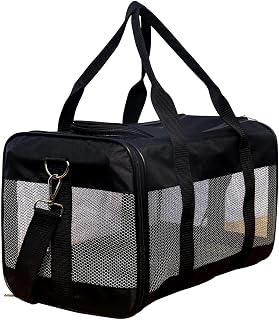


Choosing a pet carrier for travel in India involves more than finding a bag or crate that fits your pet. The right option should provide adequate space, ventilation, structural support, secure closures, comfortable handling and practical cleaning features while also matching the type of journey you expect to take. A carrier for short car trips may have very different requirements from one intended for train travel, air travel, long-distance road journeys or regular visits to a veterinarian.
This guide focuses on the factors that matter when comparing pet carriers and related travel accessories in the Indian market. Product specifications, dimensions, materials and retailer information can change, so check the latest listing details and the applicable transport requirements before purchasing.
The best pet carrier is not necessarily the most expensive, largest or most highly rated model. It is the carrier that suits your pet's size, temperament, travel method and frequency of use. Start by identifying how you will use it, then compare construction, ventilation, security, portability and ease of cleaning.
Do not choose a carrier solely from a weight recommendation. Measure your pet while standing naturally and compare those measurements with the manufacturer's internal dimensions.
A carrier that looks large from the outside may have considerably less interior room because of thick walls, framing, storage compartments or rounded corners.
A calm cat or small dog may be comfortable in a soft-sided carrier, while an anxious, persistent or strong pet may require a more rigid structure and particularly secure closures. Pets that attempt to push through openings need a carrier designed to prevent accidental escape.
For nervous animals, ventilation should not be sacrificed for excessive visual exposure. Some carriers provide mesh panels or partially covered sections that can create a more sheltered environment. Introduce the carrier gradually at home rather than making the first experience occur immediately before a journey.
Think about the actual travel environment before deciding on a style.
Hard carriers generally use plastic or another rigid material for the main shell. They can provide a defined structure and are often easier to wipe clean after spills or accidents. A rigid shell can also protect the interior from external pressure better than a lightweight fabric carrier.
When comparing hard carriers, inspect the door mechanism, ventilation openings, hinges, fasteners and connection points. A carrier with a strong shell can still be inconvenient if its door is difficult to operate or its ventilation is poorly positioned.
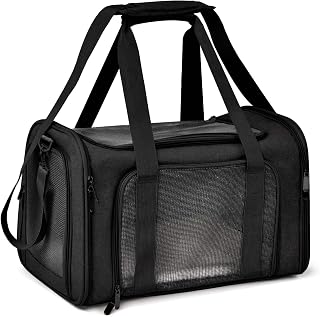
Soft carriers commonly use fabric panels combined with mesh ventilation and internal or external reinforcement. They can be lighter and easier to store than rigid models, making them attractive for occasional travel.
Look carefully at stitching, zipper quality, mesh strength, base construction and the rigidity of the carrier when loaded. A soft carrier should retain its shape sufficiently to prevent the fabric from pressing unnecessarily against the pet.
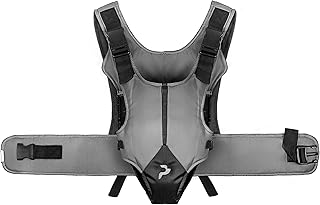
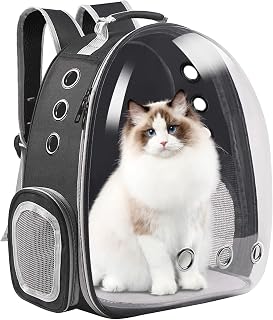
Backpack carriers can be useful when hands-free movement is important, particularly when walking between transport connections. However, backpack design varies significantly. Compare back support, shoulder straps, ventilation, weight distribution, internal dimensions and the stability of the floor.
Do not assume that a backpack is automatically more comfortable for the pet. The interior should provide appropriate space and a stable surface, while the carrier should remain balanced during movement.
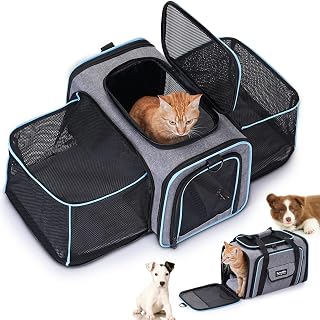
Expandable carriers use additional fabric sections that can increase the available space when the carrier is stationary. They can be convenient during waiting periods, but the expanded sections may not be appropriate in every transport situation.
Before buying one, determine whether the expansion mechanism is secure, easy to operate and simple to clean. Also check whether the expanded configuration is permitted or practical for your intended mode of transport.
Rolling carriers can reduce the need to carry the full pet-and-carrier weight over longer distances. Their usefulness depends on wheel quality, handle stability, floor surfaces and how smoothly the carrier moves.
Consider whether the rolling motion is likely to be comfortable for your pet. Uneven pavements, stairs and crowded transport areas may still require you to lift the carrier.
Ventilation is one of the most important design considerations. Look for openings that allow consistent airflow without creating unnecessary escape points. Mesh panels should be sufficiently secure for the pet, and ventilation openings should not be blocked when the carrier is placed against another surface.
In India's varied climate, ventilation deserves particular attention during warm-weather travel. Never treat a well-ventilated carrier as a substitute for appropriate temperature management, shade and responsible supervision.
Inspect every access point. Zippers should close completely, rigid doors should latch securely, and fasteners should not be easy for the pet to manipulate. If the carrier has multiple openings, each one should be checked individually.
For escape-prone pets, a carrier with a particularly secure closure system may be preferable to one chosen primarily for appearance.
A stable base helps prevent the pet from constantly shifting as the carrier moves. Look for a floor that does not sag excessively under the animal's weight and consider whether a removable mat or liner can be washed separately.
Common carrier materials include plastic, polyester fabrics, nylon, metal mesh and combinations of these materials. Material selection should reflect the balance between weight, rigidity, durability, cleaning and intended use.
Handles and shoulder straps receive considerable stress during travel. Check how they attach to the main body rather than judging them by appearance alone. A carrier with multiple carrying methods can be more versatile, but additional hardware also means more components to inspect.
Pets can experience accidents, shedding or motion-related discomfort during travel. A washable liner, removable base and wipe-clean surfaces can make a major practical difference.
Pay attention to seams, corners and enclosed pockets where dirt or moisture can accumulate. A carrier that is difficult to clean may become inconvenient even if its initial design appears attractive.
Carrier sizing should be based on the individual pet rather than a generic small, medium or large label. Manufacturers can use different sizing conventions, so compare actual measurements whenever possible.
For cats and small dogs, the carrier should provide enough room for the animal to maintain a comfortable position appropriate to the journey. At the same time, an unnecessarily oversized carrier may be harder to carry and can allow excessive movement when the carrier is being transported.
For growing puppies and kittens, consider expected growth rather than buying a carrier that will become unusable within a short period. However, avoid compromising current stability and comfort simply to obtain a longer useful lifespan.
Several established brands and product categories can be considered when researching pet travel equipment. Brand familiarity should not replace specification checking, because different models from the same manufacturer can have substantially different designs.
Availability, model names and specifications can vary by retailer and over time. Check the current product page, manufacturer information where available, and recent customer feedback before making a purchase.
A removable liner can provide a more comfortable surface while also helping contain minor spills or accidents. Ideally, choose a liner that fits securely without creating excessive folds that could make the pet unstable.
Collapsible silicone or fabric bowls can be convenient when travelling because they take up less space when stored. Choose a design that is stable enough to use safely and easy to rinse.
A pet-specific travel bottle can make water access more convenient during outdoor journeys. Compare leak resistance, drinking mechanism, capacity and ease of cleaning.
For car journeys, a suitable harness or restraint system can help reduce uncontrolled movement. Compatibility matters: not every harness or carrier accessory is designed for use with every vehicle or restraint system.
Airtight food containers can help keep food organised during longer trips. Select a size that matches the journey rather than carrying unnecessarily large quantities.
Travel preparation should include practical hygiene supplies. Waste bags, disposable cleaning materials and a small washable towel can be useful additions to a pet travel kit.
Make sure your pet's identification information is current before travelling. A carrier can also be labelled with relevant contact information in case it becomes separated from you.
Weight limits are useful but incomplete. Two pets with the same weight can have very different body lengths and heights. Always consider internal dimensions and physical fit.
A carrier may be within the pet's recommended size but still become difficult to handle once the animal, liner and travel supplies are added. Compare the carrier's own weight when evaluating portability.
Stylish colours, attractive patterns and fashionable designs are secondary to secure construction, ventilation, suitable dimensions and practical cleaning.
Airline policies can differ and may change. A carrier marketed for travel should not automatically be assumed to satisfy a particular airline's current requirements. Confirm the airline's rules before purchasing tickets or equipment.
A carrier may have sufficient interior dimensions but still have a narrow opening. Consider whether your pet can enter and exit without awkward positioning.
Decorative fabric, complicated padding and inaccessible seams may look comfortable but can be difficult to maintain. For frequent travel, practical hygiene can be more important than extra decorative features.
The choice between soft and hard construction depends on how the carrier will be used.
There is no universally best construction. The right choice depends on the pet, journey, handling conditions and frequency of use.
Star ratings can be useful for initial comparison, but they should not be the only decision factor. Read reviews for recurring details that relate directly to your requirements.
Recent reviews can be especially useful because product versions and manufacturing details may change. Always compare the review against the current specification rather than assuming every review refers to the exact configuration currently offered.
The lowest purchase price does not necessarily represent the lowest overall cost. A carrier that becomes uncomfortable, difficult to clean or unsuitable after a few journeys may provide poor value even if the initial price is attractive.
Instead of comparing price alone, consider:
Travel conditions can vary significantly across India, from hot urban roads to cooler hill regions and crowded railway or airport environments. The carrier should be selected with the expected conditions in mind.
During hot weather, ventilation and responsible temperature management are particularly important. Avoid leaving a pet unattended inside a stationary vehicle, even if the carrier itself has good airflow. Direct sunlight can also raise the temperature inside a carrier rapidly.
During monsoon travel, consider waterproof or water-resistant outer materials while maintaining adequate ventilation. A completely enclosed carrier is not automatically safer; airflow remains important.
In crowded environments, secure closures and a sturdy carrying method can reduce the risk of accidental opening or dropping. Keep the carrier under your control rather than leaving it unattended in public areas.
Carrier training can make travel considerably easier. Begin by placing the open carrier in a familiar area and allowing the pet to investigate it voluntarily. Familiar bedding or a familiar-smelling item can make the space less intimidating.
Gradually increase the amount of time the pet spends inside. Once the animal is comfortable, practise short periods with the carrier closed, followed by brief carrying sessions. For pets that become distressed, reduce the intensity of the session rather than forcing prolonged exposure.
The objective is to make the carrier a predictable travel space rather than an object that appears only immediately before an unpleasant journey.
The exact supplies depend on the length and nature of the journey. Avoid overloading the carrier with accessories that reduce usable interior space.
For car travel, stability is a major consideration. The carrier should be positioned according to the vehicle and restraint manufacturer's guidance, and the pet should not be allowed to move freely around the passenger compartment.
Before a long journey, test the setup on shorter trips. Check whether the carrier remains stable during braking, turning and ordinary road movement. Also make sure that ventilation remains unobstructed once the carrier is placed in the vehicle.
Train travel presents different challenges because you may need to carry the pet and carrier through stations, platforms and other crowded spaces. Weight, handles, dimensions and ease of movement can therefore be particularly important.
Before travelling, check the current railway rules applicable to your route, class of travel and pet. Transport policies can be specific, and a carrier's physical suitability does not determine whether the journey itself is permitted.
Air travel requires additional planning. Airlines can specify carrier dimensions, construction, ventilation, locking mechanisms, animal eligibility, booking procedures and other conditions. Requirements may also differ depending on whether the pet is travelling in the cabin or through another approved arrangement.
Check the airline's current official requirements before choosing a carrier. Do not rely solely on a retailer's statement that a product is airline approved, because approval may depend on the carrier model, route and airline policy.
Examine stress points such as handles, shoulder-strap attachments, hinges and door latches. For soft carriers, inspect stitching around load-bearing sections. For rigid carriers, check the shell, door frame and connection points for cracks or deformation.
Replace a carrier when damage compromises its structural integrity or security. Cosmetic wear is different from damage that creates an escape route or weakens a load-bearing component.
Prioritise easy access, manageable weight, secure closures and simple cleaning. A carrier that is quick to open can be especially useful when handling a nervous pet.
Prioritise structural stability, ventilation, a stable floor and a practical restraint or positioning solution appropriate to the vehicle.
Focus on comfort, ventilation, hygiene, durability and carrying convenience. A carrier that is acceptable for a 15-minute trip may become frustrating during an all-day journey.
Compare both body dimensions and weight. Soft carriers, backpacks and rigid carriers can all be suitable depending on the dog's temperament and the travel method.
Security and stress management deserve particular attention. A stable carrier with reliable closures, adequate ventilation and easy access can simplify both routine and longer trips.
Consider growth and future use, but do not compromise present comfort or safety. A carrier should not be selected solely because it will accommodate the pet at a much larger adult size.
When comparing current pet carriers in India, the most useful approach is to prioritise practical features over marketing language. Look for clearly stated dimensions, construction materials, weight limits, cleaning instructions and transport suitability.
There is no single best carrier for every pet. The right choice depends on your pet's size, temperament, travel method, journey length, climate and budget. Compare dimensions, ventilation, construction, closure security and ease of cleaning before choosing.
Neither is universally better. Hard carriers can offer rigid construction and easy cleaning, while soft carriers can provide lower weight and greater portability. Match the design to your travel requirements and your pet's behaviour.
Measure the dog's body rather than selecting a size based only on breed. Compare the measurements with the manufacturer's internal dimensions and recommendations for the specific carrier.
Choose a carrier that provides appropriate usable space while remaining manageable to carry. Cats can vary considerably in size, so individual measurements are more reliable than a generic small or medium classification.
Yes, a purpose-designed pet backpack can be useful for appropriate pets and journeys. Check its internal dimensions, ventilation, base stability, closure security and maximum recommended load before purchasing.
Suitability depends on the pet, backpack design and travel conditions. For extended journeys, pay particular attention to ventilation, interior space, temperature management, weight distribution and the pet's ability to remain comfortable.
Some carriers may be designed for air travel, but suitability depends on the airline's current rules and the specific travel arrangement. Verify the latest requirements directly with the airline before purchasing or travelling.
Potentially, if the carrier is appropriately sized and secure for the individual animal. However, species, temperament and travel habits can make different designs more practical for different pets.
Use gradual carrier training, a stable washable liner and familiar scents where appropriate. Introduce the carrier before the journey and practise short sessions instead of making the first experience occur on travel day.
Prioritise adequate airflow, breathable or well-positioned ventilation openings and responsible temperature management. Avoid direct sun and never leave a pet unattended in a stationary vehicle.
Clean it after journeys whenever it becomes dirty or contaminated, and inspect it regularly even when it appears clean. Wash removable components according to the manufacturer's care instructions.
Look beyond the outer appearance. Examine stitching, seams, mesh, handles, zippers, latches, hinges, base construction and the materials used in load-bearing areas. Clear manufacturer specifications can also help with comparison.
A rolling carrier can be useful for longer distances where carrying weight is inconvenient. Consider wheel stability, handle construction and the surfaces over which you will travel. You may still need to lift it over stairs or uneven ground.
No. Price should be evaluated alongside construction, dimensions, functionality, durability and suitability. A less expensive carrier can be the better choice when it meets the pet's requirements more effectively.
For most buyers, the best decision comes from eliminating unsuitable carriers rather than searching for a universally superior model. Start with the pet's dimensions and temperament, eliminate carriers that are too small or insecure, then compare ventilation, construction, portability and cleaning requirements. Finally, consider the travel environment and your budget.
When comparing products from brands such as Petmate, Ferplast, Trixie, KONG, Petsfit, Stefanplast and AmazonBasics, evaluate the exact model rather than relying on the reputation of the brand alone. Product specifications, configurations and availability can vary.
Before placing an order, review the current specifications, recent customer feedback, seller information, applicable transport requirements and today's listed price. This approach helps ensure that the carrier you choose is appropriate not only on paper, but also for the way you and your pet actually travel.