

♥ Wishlist
Compare 54 verified Pet Health Supplements in India products in India. Reviews, ratings, pros, cons and buying advice updated for October 2026.


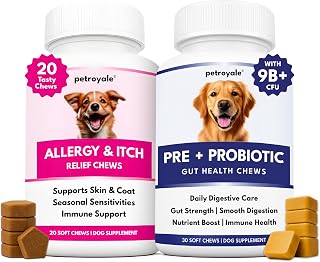


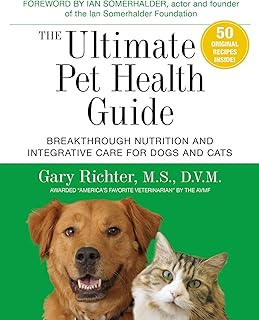


Pet health supplements can be useful additions to a well-planned diet, but they should not be treated as a substitute for complete nutrition, veterinary care, appropriate exercise, parasite prevention or diagnosis of an underlying illness. The right supplement depends on the animal's species, age, size, diet, activity level, existing health conditions and the specific nutritional goal.
For Indian pet owners comparing supplements in 2026, the most useful approach is to look beyond star ratings and marketing claims. Examine the active ingredients, amount provided per serving, feeding directions, suitability for dogs or cats, life-stage recommendations, packaging information, storage requirements and the manufacturer's instructions. A product that is appropriate for one pet may be unnecessary or unsuitable for another.
Veterinary nutrition guidance from organisations such as the American Animal Hospital Association emphasises nutritional assessment, body condition, muscle condition, life stage and individual health status when making nutrition decisions. This is particularly important when supplements are being considered for senior animals, growing puppies and kittens, pets with chronic conditions, pets eating homemade diets or animals already receiving medication.
There is no single supplement that is automatically the best for every dog or cat. Instead, the following ten categories cover the most common purposes Indian pet owners encounter when comparing products. Treat them as comparison categories rather than a claim that every pet needs all ten.
A good buying decision starts with the label rather than the front of the package. Product packaging can highlight attractive ingredients or broad benefits, but the information needed for comparison is usually found in the ingredient panel, guaranteed analysis where provided, feeding instructions and manufacturer information.
Start by identifying what the product actually contains. For an omega-3 supplement, for example, the total oil quantity does not tell the whole story. EPA and DHA amounts are more useful comparison points than simply choosing the bottle with the largest number of milligrams of oil.
For joint products, determine which active ingredients are present and how much is supplied at the recommended serving. Two products can both advertise joint support while having substantially different formulations.
A large container does not necessarily represent better value. A product may require multiple tablets, chews, scoops or millilitres per day depending on the animal's weight. Compare the cost per day or per month only after establishing the correct serving size for the pet.
Do not automatically increase the recommended serving because a pet appears to tolerate a product. More is not always better, and some nutrients can become problematic at excessive intake.
Never assume that a supplement designed for dogs is automatically appropriate for cats. Cats have different nutritional requirements and metabolic characteristics. Products should be clearly identified for the intended species, and products containing multiple active ingredients deserve additional scrutiny.
If a label is unclear about whether a product is suitable for cats, dogs, puppies, kittens or senior animals, seek clarification before purchasing.
Puppies and kittens have different nutritional requirements from mature pets. Growing animals need carefully balanced nutrition for development, while senior animals may have changing calorie, protein and other nutritional needs.
A supplement intended for adult maintenance should not automatically be used for a growing puppy or kitten. The same principle applies to pregnant or nursing animals, which may have substantially different nutritional requirements.
Do not evaluate a product from its headline ingredient alone. Check the complete formulation for flavourings, carriers, sweeteners, preservatives, oils, herbs and other components. This is particularly important when a pet has food sensitivities or is already receiving several nutritional products.
Omega-3 supplements are among the most commonly discussed nutritional products for dogs and cats. EPA and DHA are the key long-chain omega-3 fatty acids owners should understand when comparing fish-oil products.
Look for clearly stated quantities of relevant fatty acids rather than choosing solely according to total capsule weight or total oil volume. Also check whether the label specifies the amount per serving and whether the serving changes according to body weight.
Fish-oil products should be stored according to the manufacturer's instructions because oils can deteriorate when exposed to unsuitable conditions. A rancid or poorly stored oil is not an attractive nutritional choice simply because its label contains a desirable ingredient.
These ingredients frequently appear in joint-support formulations. Products may also contain additional compounds intended to support mobility.
When comparing joint supplements, examine the amount of each principal ingredient, the recommended daily serving and whether the formulation is intended for the animal's species and size. Persistent stiffness, limping, difficulty climbing stairs or reluctance to exercise should not simply be treated as a reason to buy a supplement; such signs warrant appropriate veterinary evaluation.
Probiotic products can differ substantially. Important comparison points include the microorganism or combination of microorganisms used, the quantity supplied, expiration information, storage requirements and the manufacturer's feeding directions.
A product claiming to contain probiotics without providing meaningful information about the formulation is harder to evaluate. Storage instructions are particularly important for products containing live microorganisms.
Prebiotic ingredients and dietary fibres can influence gastrointestinal nutrition. However, different fibres are not interchangeable. Psyllium, for example, has different characteristics from other fermentable or soluble fibres.
Digestive symptoms can have many causes, so supplementation should not be used as a reason to ignore persistent diarrhoea, vomiting, appetite changes, unexplained weight loss, blood in the stool or other concerning signs.
Vitamin and mineral supplements require particular caution because a pet eating a nutritionally complete diet may already be receiving appropriate quantities of many essential nutrients.
Adding several overlapping multivitamins, mineral products and fortified treats can make total intake difficult to assess. The more products a pet receives, the more important it becomes to keep a complete list of everything consumed each day.
Dogs and cats should not be treated as nutritionally interchangeable. Cats have species-specific requirements, including nutrients such as taurine that are essential to feline nutrition. Consequently, a supplement selected for a dog should not be transferred to a cat simply because the product appears to contain familiar ingredients.
Cat owners should pay particular attention to serving size, palatability and the formulation's intended species. Cats can also be more selective about taste and texture, so a theoretically suitable product has limited practical value if the animal consistently refuses it.
For dogs, size and weight can produce significant differences in recommended servings. A supplement appropriate for a large adult dog should not automatically be used at the same quantity for a small breed.
Growing animals need balanced nutrition rather than an indiscriminate collection of supplements. A puppy or kitten receiving a complete diet appropriate for growth generally should not be given additional vitamins or minerals simply because the owner wants to provide extra nutritional support.
Calcium and other mineral supplementation deserves particular caution in growing dogs because inappropriate mineral intake can interfere with nutritional balance. Large-breed puppies can have especially specific nutritional requirements.
For kittens, supplementation should likewise be based on an identifiable nutritional need rather than the assumption that every young animal requires a multivitamin.
Senior pets can have changing energy requirements, activity levels, body composition and health needs. A senior supplement may be useful in a particular nutritional plan, but age alone does not identify which ingredients an individual animal needs.
Monitoring body condition and muscle condition is often more informative than choosing products based solely on age. Unexpected weight loss, reduced appetite, weakness, increased thirst, changes in urination, persistent vomiting or major behavioural changes should be discussed with a veterinarian rather than managed solely with supplements.
For older animals with diagnosed conditions, the nutritional plan may need to account for the disease itself. A product that is appropriate for a healthy senior pet may not be suitable for an animal receiving a therapeutic diet.
Joint-support products are a major category in the Indian pet-supplement market. They are commonly considered for ageing dogs, dogs with reduced mobility and physically active animals.
Brands such as Royal Canin, Hill's Pet Nutrition, Purina, Virbac, Himalaya and Drools are familiar names in the broader pet nutrition and animal-care market, but brand recognition alone should not determine a supplement purchase. Always compare the formulation of the specific product being considered.
Digestive-support products are frequently purchased when owners notice changes in stool quality or appetite. However, digestive problems are symptoms rather than diagnoses.
When comparing probiotics, examine the exact organisms listed, the amount supplied per serving, storage requirements and expiration date. A vague statement such as containing good bacteria provides less useful information than a clearly identified formulation.
Also consider whether the pet has recently changed food, received medication, experienced stress, eaten something unusual or developed another health problem. If digestive problems are recurring or persistent, identifying the cause is more important than repeatedly changing supplements.
Skin and coat products commonly focus on fatty acids, vitamins, minerals or combinations of nutritional ingredients. They can be appealing when a pet has a dull coat or dry-looking skin, but appearance alone does not establish a nutritional deficiency.
Itching, hair loss, recurrent ear problems, redness, odour or skin lesions can have numerous causes, including parasites, allergies, infections and environmental factors. A supplement should not delay professional assessment when these signs are significant.
For routine nutritional comparison, look at the source and quantity of fatty acids, the complete ingredient list, serving instructions and calorie contribution. Treats and oil-based supplements can contribute meaningful calories, particularly in smaller animals.
Dental powders, chews and nutritional products are increasingly marketed for oral care. These products can be considered as part of a broader dental routine, but they should not be viewed as a replacement for veterinary dental examinations or appropriate home care.
When comparing dental products, assess whether the product is appropriate for the pet's size and chewing behaviour. Avoid assuming that a harder chew is automatically better. The suitability of a chew depends on the individual animal and the product's physical characteristics.
Before adding a product to your shopping shortlist, read the label from beginning to end.
The cheapest bottle is not necessarily the most economical option. A meaningful comparison should consider the amount of active ingredient supplied per day and the number of days the package lasts.
For example, a larger container may require a much larger daily serving, while a smaller container may last longer because only a small amount is required. Calculate the approximate daily cost after confirming the correct serving for the pet.
Also distinguish between total product weight and active ingredient quantity. A large powder container containing a small amount of the ingredient you actually want may offer less useful value than a smaller product with a clearly disclosed formulation.
Ratings can help identify popular products, but they do not establish whether a supplement is appropriate for a particular animal. Reviews may also reflect palatability, packaging or delivery experience rather than nutritional effectiveness.
More ingredients do not automatically mean a better supplement. A highly complicated formula can make it harder to identify which ingredient is responsible for a reaction and can increase the possibility of overlapping supplementation.
Chews, oils and flavoured supplements can contribute calories. This matters especially for overweight pets or animals receiving multiple treats every day.
Giving a multivitamin, skin-and-coat product, joint supplement and fortified treat simultaneously can result in overlapping nutrients. Keep a daily record of all supplements, treats and fortified foods.
Human nutritional products are not automatically appropriate for pets. Dosages, ingredients, flavourings, sweeteners and other formulation details can differ considerably.
Botanical and naturally derived ingredients can still have biological effects, interact with medicines or be inappropriate for certain animals. The term natural should never replace ingredient-level evaluation.
A supplement should have a clear reason for being included in the pet's routine. Periodically reassess whether it remains necessary, particularly if the pet's food, weight, medication or health status has changed.
Professional advice is particularly important when the pet has a diagnosed medical condition, takes prescription medication, is pregnant or nursing, is very young, is elderly with multiple health issues, has unexplained weight changes, or is eating a therapeutic diet.
Veterinary guidance is also appropriate when an owner is considering multiple supplements simultaneously or wants to formulate a homemade diet. Veterinary nutrition guidance notes that many homemade diet recipes are not nutritionally complete and balanced unless they have been carefully formulated and followed as directed.
Do not rely on a supplement to manage urgent symptoms. Difficulty breathing, collapse, repeated vomiting, severe diarrhoea, seizures, suspected poisoning, inability to urinate, significant bleeding or sudden severe weakness require prompt veterinary attention.
A supplement should supplement a nutritional plan, not compensate for a poor primary diet. For a healthy dog or cat, the starting point should be a suitable complete and balanced diet fed in an appropriate quantity.
Veterinary nutrition guidelines recommend assessing body condition and muscle condition and considering the pet's life stage, health status and lifestyle. This approach is more useful than automatically adding products whenever a marketing claim suggests that an additional nutrient could improve general health.
For pets eating home-prepared diets, supplementation can be an essential part of the formulated recipe in some circumstances. However, the type and quantity need to be appropriate to that specific recipe. Randomly adding a generic multivitamin can change the nutritional balance rather than correcting it.
Indian consumers have access to a wide range of imported and locally marketed pet products. Product availability, packaging sizes and formulations can change, so check the current product label before purchasing rather than relying on an older description.
FSSAI maintains regulatory information covering health supplements and nutraceuticals, with its health-supplement framework updated on its website in August 2026. Pet products can fall under different regulatory and product categories, so consumers should avoid assuming that a general human-food supplement framework applies identically to every veterinary or pet product.
For online purchases, inspect the current listing carefully. Check the species, quantity, serving instructions, manufacturer information, expiry date and packaging details. When a marketplace listing conflicts with the product label, the physical product information and manufacturer's current instructions deserve careful attention.
India's climate varies considerably between regions, and heat and humidity can affect certain products. Oils, powders, soft chews and probiotic products may have specific storage requirements.
Customer reviews are useful for learning about practical issues such as whether pets accept a chew, whether a powder mixes easily with food or whether packaging is convenient. They are much less reliable for determining whether a supplement is medically effective for every animal.
Give more weight to reviews that clearly describe the animal's species, approximate size, product formulation and reason for use. Treat dramatic before-and-after claims cautiously, especially when there is no information about diet, diagnosis, concurrent treatment or other lifestyle changes.
Verified-purchase information can help establish that a customer bought a product, but it does not independently verify every health claim in the review.
A simple routine is usually easier to manage than a large collection of products.
Brand familiarity can be useful when creating a shortlist, but it should be only one part of the decision. Indian pet owners may encounter established names such as Royal Canin, Hill's Pet Nutrition, Purina, Virbac, Himalaya, Drools and Beaphar across different pet-care categories.
Not every product from a recognised brand serves the same purpose, and a reputable company can have multiple formulations for different species and needs. Compare the individual product rather than assuming that brand reputation makes every supplement equally suitable.
When comparing products from different manufacturers, use the same criteria for each one: active ingredient quantities, serving size, species suitability, life-stage suitability, ingredient transparency, storage requirements, package quantity and cost per day.
Be cautious when a product appears to promise an unusually broad range of outcomes from a small number of ingredients. Claims suggesting that a supplement can simultaneously solve unrelated health problems deserve careful scrutiny.
If you are narrowing a list of ten pet supplements, create a consistent comparison framework. The best product for your pet is not necessarily the product with the highest overall rating. It is the product that best matches the intended purpose while providing transparent information and an appropriate formulation.
Start with a complete and balanced diet, appropriate portions, exercise and routine preventive care. Consider a supplement only when there is a defined nutritional reason rather than adding multiple products automatically.
Prioritise species-appropriate nutrition and adequate hydration. Because cats have specialised nutritional requirements, avoid transferring products from a dog's supplement routine to a cat without checking suitability.
Monitor body condition, muscle condition, mobility, appetite and behaviour. A targeted supplement may be considered when it fits the animal's overall nutritional plan, but changes in health should not be attributed to normal ageing without appropriate assessment.
Choose nutrition formulated for growth and avoid unnecessary mineral or vitamin additions unless recommended as part of an appropriate nutritional plan.
Do not construct supplementation by trial and error. Homemade diets can become nutritionally unbalanced when ingredients or supplements are changed without recalculating the formulation. A veterinary nutrition professional can help formulate a diet appropriate to the individual animal.
Make the diagnosed condition the starting point for every nutritional decision. Therapeutic diets and medications can change which supplements are appropriate. Provide the veterinarian with a complete list of supplements, treats and foods currently being used.
There is no universal best supplement for every pet. The appropriate choice depends on whether the goal involves joint nutrition, digestive support, omega-3 intake, skin and coat nutrition, dental care, a specific dietary requirement or another clearly defined purpose. Compare the formulation and daily serving with the individual pet's needs rather than selecting solely from a general ranking.
Not necessarily. A healthy dog eating an appropriate complete and balanced diet may not need a daily supplement. Supplementation should have a clear nutritional purpose and should be considered in the context of the dog's overall diet.
Not automatically. Cats require carefully balanced nutrition, and unnecessary supplementation can create overlap with nutrients already supplied by their food. Ask a veterinarian before adding a multivitamin, particularly when the cat is eating a therapeutic or specially formulated diet.
Do not assume that they are. Dogs and cats have different nutritional requirements, and some formulations are specifically designed for one species. Always confirm the product's intended species before use.
Pet-specific products are formulated and labelled for animal use, making species suitability easier to evaluate. Human products should not be substituted simply because they contain an ingredient that sounds beneficial. Check every ingredient and serving with a veterinarian before considering human supplements for an animal.
Combining products can create overlapping ingredients or unnecessary nutrient intake. Keep a complete list of everything the pet receives and review the combined routine rather than assessing each supplement independently.
Probiotic products may be considered for specific digestive-support purposes, but formulations differ and gastrointestinal problems can have many causes. Compare the actual probiotic formulation and follow the manufacturer's directions rather than assuming that every probiotic product is equivalent.
Joint-support supplements are commonly used as part of mobility-support strategies, but an older dog with pain, stiffness or reduced movement should receive appropriate veterinary assessment. A supplement should complement rather than replace diagnosis and broader mobility management.
Do not add calcium routinely to a complete puppy diet unless specifically advised by a veterinarian. Growing dogs require balanced mineral nutrition, and unnecessary supplementation can disrupt that balance.
The answer depends entirely on the product, its purpose and the individual animal. Avoid products that promise a guaranteed immediate result. Follow the label directions and discuss expectations with a veterinarian when the supplement is being used for a specific health concern.
No. Supplements are nutritional products and should not be used as a substitute for diagnosis or treatment of disease. A pet showing persistent or serious symptoms should be evaluated by a veterinarian.
Follow the product's specific storage instructions. Protect products from unsuitable heat, humidity and direct sunlight where required, and pay particular attention to storage instructions for oils, probiotics and products that require refrigeration.
Compare the quantity of each active ingredient per daily serving, serving frequency, package quantity, cost per day, species suitability, additional ingredients, storage requirements and manufacturer information. Similar ingredient names do not necessarily mean identical formulations.
The strongest approach to choosing pet health supplements in India is to start with the pet rather than the product. Identify the nutritional objective, confirm the animal's species and life stage, review the existing diet and medicines, and then compare formulations using the same criteria.
Do not let packaging, celebrity-style endorsements, a long ingredient list or a high customer rating replace label-level research. Look for transparent ingredient information, appropriate serving instructions, clear species guidance, sensible storage requirements and practical value.
For healthy pets, complete nutrition, appropriate portions, healthy body condition, exercise, preventive healthcare and regular veterinary examinations remain the foundation. Supplements can have a role when there is a genuine nutritional reason for using them, but the right product is the one that fits the individual animal's needs rather than simply the one that makes the biggest promise.
Before making a purchase, compare the current specifications, ingredient quantities, customer feedback and applicable product information, and check today's price and availability from trusted Indian retailers. Product formulations and marketplace listings can change, so verify the current packaging and manufacturer's instructions before placing an order.