

♥ Wishlist
Compare 61 verified Pet Cleaning Hygiene Products for Dogs & Cats products in India. Reviews, ratings, pros, cons and buying advice updated for October 2026.






Choosing pet cleaning and hygiene products is not simply a matter of picking the most popular bottle, wipe, brush or grooming accessory. Dogs and cats have different coat types, skin characteristics, grooming needs and levels of tolerance for handling. A product that works well for one pet may be unsuitable for another, particularly when it is used around the eyes, ears, paws, mouth or other sensitive areas.
For Indian pet owners, the buying decision also involves climate, indoor and outdoor living, dust exposure, monsoon humidity, bathing frequency, coat length and the availability of replacement supplies. This guide explains the product categories worth considering, the specifications that matter, common buying mistakes and practical ways to compare pet hygiene products before purchasing.
The category is much broader than pet shampoo. A complete pet hygiene routine can include products for bathing, brushing, paw cleaning, coat maintenance, ear care, dental hygiene, odour control, grooming and household cleanliness.
These products should be evaluated according to their intended use rather than simply by brand popularity or the number of reviews. The most useful purchase is the one that addresses a genuine hygiene requirement without introducing unnecessary ingredients, handling difficulty or recurring expense.
India's varied climate means there is no single grooming routine that suits every household. A pet living in a hot and humid coastal area may have different cleaning requirements from a dog living in a dry northern climate. Urban pets can also encounter road dust, muddy surfaces, polluted outdoor environments and frequent contact with paved areas.
Dog and cat products should not automatically be treated as interchangeable. Cats have different grooming behaviour and may ingest substances while licking their coat. Dogs also vary significantly in coat density, skin characteristics and bathing requirements.
Always check whether a product is specifically labelled for dogs, cats or both. If a formulation is not clearly intended for the animal you own, choosing a different product is generally the safer buying decision.
Short-haired pets generally need less intensive brushing than long-haired or double-coated breeds, but that does not mean grooming is unnecessary. A suitable brush can remove loose hair and surface debris while helping owners inspect the coat.
Long, curly, thick or double coats require more careful tool selection. Look for a brush or comb that can reach the appropriate part of the coat without excessive pulling. For pets prone to tangles, the spacing and shape of the teeth can be more important than the overall appearance of the grooming tool.
A product used every week deserves a different evaluation from one used occasionally. For frequent-use items, ergonomic design, ease of rinsing, durability and replacement cost become particularly important.
For disposable wipes or similar consumables, compare pack size and intended usage rather than judging value from the sticker price alone. A larger pack is not necessarily better if the product does not suit your pet or dries out before it can be used.
Shampoo is one of the most commonly purchased pet-cleaning products, but it is also an area where buyers can make unsuitable substitutions. Human shampoo is formulated for human skin and should not automatically be considered an appropriate replacement for a pet-specific cleanser.
Routine cleansing, deodorising, conditioning, coat maintenance and specialised skin-care products are different categories. A general grooming shampoo should not be assumed to address a medical skin condition.
If a pet has persistent itching, redness, sores, hair loss, unusual odour, recurring ear problems or other concerning symptoms, product selection should not replace veterinary advice.
Do not select shampoo solely because its front label uses terms such as natural, herbal, premium, gentle or medicated. These descriptions do not by themselves establish that a product is appropriate for your individual pet.
Compare the full label, directions for use, species information, precautions and intended frequency of use. Products from established pet-care brands such as Virbac, Himalaya Pet Care, Beaphar, TropiClean and Earthbath can be considered alongside other suitable alternatives, but the formulation and intended use should remain the deciding factors.
A shampoo that is difficult to rinse can make bathing unnecessarily time-consuming, especially with dense coats. Before buying, consider whether the instructions require dilution, how long the product needs to remain on the coat and whether thorough rinsing is practical in your bathing setup.
Pet wipes can be useful between baths for removing superficial dirt from paws and selected external areas. They are particularly convenient after walks, during travel or when a full bath is unnecessary.
However, wipes should not automatically be considered a substitute for bathing or appropriate veterinary treatment. Buyers should check the intended use, species compatibility, fragrance or other formulation details and directions concerning sensitive areas.
Brush selection should begin with the coat rather than the brand. Slicker brushes, bristle brushes, undercoat tools, grooming gloves and metal combs perform different jobs.
Slicker brushes generally use fine pins and can be useful for certain medium, long or dense coats. The pin design, flexibility and size matter because overly aggressive brushing can make grooming uncomfortable.
Deshedding products are designed for removing loose undercoat or shedding hair in appropriate coat types. They should not be selected simply because a pet sheds heavily. The tool must match the animal's coat and should be used according to its instructions.
A metal comb can be particularly useful for checking whether tangles remain after brushing. Fine and wider-spaced sections serve different purposes, so a dual-spacing comb can be more versatile than a single-purpose design.
Grooming gloves can be appealing for pets that dislike conventional brushes. Their usefulness depends heavily on coat type and the pet's tolerance of handling. They are often better viewed as a supplementary grooming tool rather than a universal replacement for a proper brush or comb.
Ear-care products require more caution than ordinary coat-cleaning accessories. A healthy pet may require routine external ear hygiene, but excessive cleaning can also be counterproductive.
When comparing an ear-cleaning product, check the species, intended use, directions, precautions and whether it is designed for routine cleaning or a more specific purpose. Never assume that a product labelled for ear hygiene will treat an infection.
Persistent odour, discharge, repeated scratching, head shaking, swelling or apparent pain warrants professional assessment rather than repeated experimentation with different over-the-counter products.
Oral hygiene is frequently overlooked when consumers create a pet-cleaning shopping list. Food residue and plaque can accumulate around the teeth, making dental care an important part of routine pet maintenance.
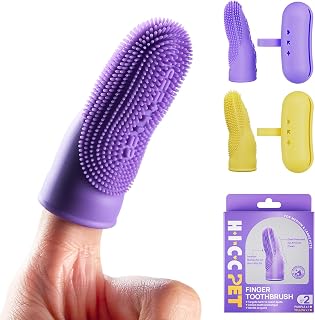
Pet-specific toothbrushes, finger brushes and oral-care products are available in different formats. The most suitable option is one that the owner can use consistently and that the pet tolerates.
Look at brush-head size, bristle softness, handle length and access to the back teeth. A brush that is technically sophisticated but difficult to position may be less useful than a simple design that allows consistent brushing.
Human dental products should not be substituted automatically. Pets may swallow toothpaste rather than rinse and spit it out, so owners should select products specifically intended for their animal and follow the manufacturer's directions.
Paw hygiene becomes especially relevant for dogs that regularly walk outdoors. Dirt, mud and other debris can accumulate around paw pads and between toes.
Paw wipes, washable paw-cleaning devices and simple pet towels each have different advantages. The best choice depends on how frequently the dog goes outside, whether the household has easy access to water and whether the dog accepts having its paws handled.
Nail care is another area where design matters more than marketing language. A nail clipper should be suitable for the pet's nail thickness and size.
Important factors include grip, cutting mechanism, visibility of the nail, locking features where provided and overall control. Some owners prefer grinders because they allow gradual removal, while others prefer clippers because they are quick when used correctly.
If you are inexperienced with nail trimming, learning the anatomy of the nail and understanding where the sensitive quick is located is more important than purchasing the most expensive tool.
Brand familiarity can help narrow a large marketplace, but brand name should not replace product-level comparison. Indian shoppers may encounter products from brands including Virbac, Himalaya Pet Care, Beaphar, Wahl, Trixie, TropiClean and Earthbath, along with numerous Indian and international alternatives.
When comparing brands, examine the exact product rather than assuming that every item from a particular manufacturer is suitable for every pet. A reputable brand can have multiple product lines with different purposes, formulations and intended species.
When shopping through an affiliate marketplace such as Amazon India, use the product page as a source of specifications rather than relying only on the headline, star rating or promotional wording.
Make sure you are comparing like with like. A grooming shampoo, medicated cleanser, dry shampoo, wipe and deodoriser cannot be evaluated using exactly the same criteria.
Compare the actual volume, weight, sheet count or dimensions. Two products with similar prices may offer very different quantities.
Customer reviews can reveal practical information about packaging, scent, consistency, brush size, ease of use and durability. However, reviews are individual experiences rather than controlled product tests. Give greater weight to recurring observations than to one unusually positive or negative comment.
Questions from shoppers can help clarify dimensions, compatibility and intended use. Cross-check important information against the manufacturer's product information whenever possible.
The cheapest purchase price is not necessarily the lowest long-term cost. Consider how often the product will be used, how much is required per application and whether accessories or replacement components are needed.
A high rating is useful as an initial signal, but it does not establish that a product is right for your pet. Read reviews relevant to your animal's species, size, coat and intended use.
Low price can be attractive, particularly for frequently used consumables, but product suitability should come first. Compare ingredients, directions, quantity and intended application before deciding.
Natural ingredients can still cause irritation or be unsuitable for particular animals. Marketing terminology should never replace reading the label.
Household or personal-care products formulated for humans are not automatically suitable for animals. This is particularly important for shampoos, dental products, fragrances and cleaning chemicals.
A brush designed for a short coat may not be the best choice for a heavily coated dog, while an aggressive deshedding tool may be unnecessary for another animal.
A basic routine usually requires fewer products than marketplace browsing makes it appear. Start with genuine needs and add specialised accessories only when they solve a specific grooming problem.
A basic grooming setup can focus on a suitable brush or comb, pet-specific cleanser where bathing is appropriate, a towel and a simple nail-care solution. Owners can add wipes or specialised accessories when there is a practical need.
A broader setup may include separate grooming tools for different coat tasks, paw-cleaning supplies, dental-care accessories and products designed for convenient regular maintenance.
Higher-priced grooming products can offer features such as improved ergonomics, specialised brush designs, better storage, more refined construction or additional accessories. The premium price should still be justified by a feature that provides a meaningful benefit for your particular pet.
Instead of purchasing every product available in the pet-care category, build a kit around routine tasks.
A practical dog-grooming routine should be based on the dog's coat, lifestyle and individual needs. Brushing can help remove loose hair and debris, while paw checks are useful after outdoor walks. Bathing frequency should not be determined solely by a calendar because individual requirements vary.
During routine grooming, owners can also look for changes such as unusual odour, skin irritation, lumps, parasites, damaged nails, ear abnormalities or areas of tenderness. Grooming therefore has a useful secondary benefit: it gives owners an opportunity to notice changes early.
Cats generally spend significant time grooming themselves, but that does not eliminate the need for appropriate owner care. Brushing can help manage loose hair, particularly for long-haired cats, while nail care and dental hygiene may require regular attention.
Because cats can lick their coats, owners should be especially careful about using only products specifically intended for cats and following directions concerning application and drying.
Buying a quality brush or clipper is only part of maintaining good hygiene. Grooming tools should themselves be kept clean and dry. Hair, moisture and residue can accumulate between uses.
Heat and humidity can change how frequently owners notice odour, dampness and dirt on pets. During humid weather, drying becomes particularly important after bathing or exposure to rain.
Owners should avoid assuming that more frequent bathing is always better. Over-cleaning can be counterproductive for some pets, and the appropriate routine depends on coat condition, lifestyle and individual needs.
During the monsoon, inspect paws and lower legs after outdoor walks and pay attention to damp areas that may remain wet for extended periods. Regularly washing and thoroughly drying pet bedding can also help maintain a cleaner household environment.
For reusable grooming accessories, construction quality can have a greater effect on value than decorative features.
Disposable wipes are convenient, while washable towels and reusable grooming accessories can reduce recurring purchases. Neither approach is universally superior.
Choose disposable products when portability and speed are the priority. Reusable equipment is often more appropriate for routine grooming tasks where cleaning and storage are straightforward. For households with frequent outdoor activity, combining both approaches can be practical.
When two products appear nearly identical, create a simple comparison based on intended use rather than marketing claims.
Stop using a grooming or cleaning product if your pet appears to have an adverse reaction and seek appropriate professional guidance when necessary. Warning signs can include persistent redness, swelling, unusual itching, discomfort, excessive licking or other changes following use.
For products used around sensitive areas, follow the manufacturer's precautions carefully. A product being sold through a major marketplace does not mean it is suitable for every animal or every application.
Start with the product that addresses the most regular hygiene requirement for your pet. For many households, this means a suitable grooming brush or comb, pet-specific bathing product where needed, towels and basic nail-care equipment. The exact combination depends on the pet's species, coat and lifestyle.
There is no single shampoo that is best for every dog or cat. Compare species suitability, intended purpose, formulation, directions, coat requirements, frequency of use and customer feedback. If your pet has a persistent skin problem, ask a veterinarian rather than selecting a shampoo solely from online reviews.
Human shampoo should not be treated as a universal substitute for pet shampoo. Pet-specific products are formulated for animal use, so check the label and select a product intended for your pet's species.
They can be useful for selected external cleaning tasks, especially after walks or between baths. They should not automatically replace bathing or professional treatment for persistent skin or hygiene problems.
The appropriate brush depends primarily on coat type. Short-haired, long-haired, curly-coated and double-coated dogs can require different tools. Compare brush design, pin type, spacing, handle comfort and ease of cleaning.
Cats groom themselves extensively, but owner-assisted grooming can still be useful. Brushing, nail care and dental hygiene may be important depending on the individual cat.
Bathing frequency varies according to species, coat, lifestyle, skin condition and veterinary recommendations. Avoid choosing a fixed schedule solely because it is advertised on a product page.
No. Price does not automatically indicate suitability. A reasonably priced product with the correct specifications can be more useful than a premium product with features your pet does not need.
Reviews can provide useful information about practical aspects such as packaging, size, ease of use and durability. They should be considered alongside the product specifications and manufacturer's instructions rather than treated as definitive proof of suitability.
Large packs can make sense for products that your pet uses regularly and that have suitable storage conditions. For unfamiliar products, buying a smaller quantity first can reduce waste if your pet does not tolerate or accept the product.
The best pet cleaning and hygiene products are not necessarily the products with the highest price, the most advertising or the largest number of reviews. A better buying decision comes from matching each product to the animal, the grooming task, the local environment and the frequency of use.
For Indian pet owners, a sensible approach is to build a practical hygiene kit rather than buying every available accessory. Prioritise species compatibility, suitable materials or formulations, straightforward instructions, manageable maintenance and reliable long-term value. Compare current specifications and customer feedback before purchasing, and treat specialised health-related products differently from ordinary grooming supplies.
Whether you are shopping for a dog, cat, puppy or kitten, the goal should be a grooming routine that is effective, comfortable for the animal and realistic for the owner to maintain throughout the year.