

♥ Wishlist
Compare 71 verified Furniture Online in India for Every Room products in India. Reviews, ratings, pros, cons and buying advice updated for October 2026.
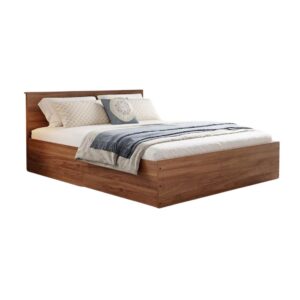
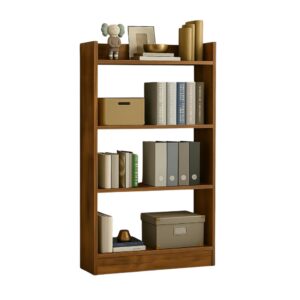
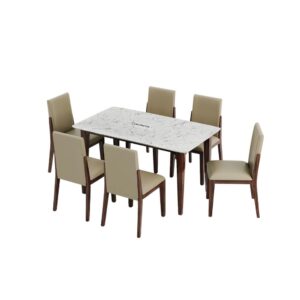
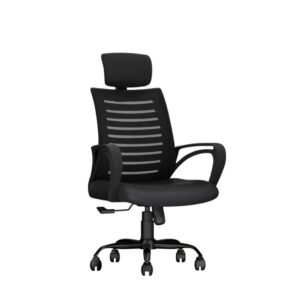
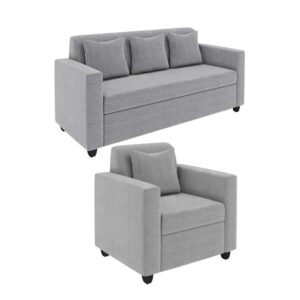
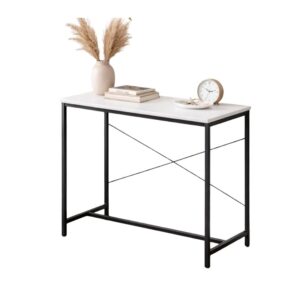
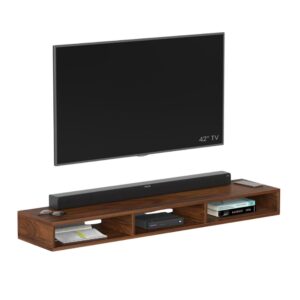
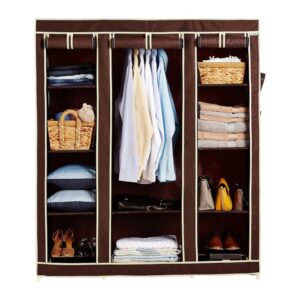


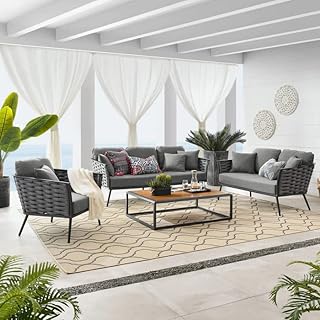


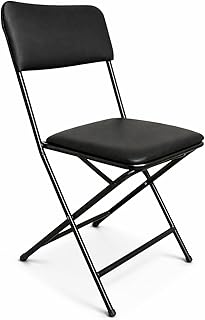





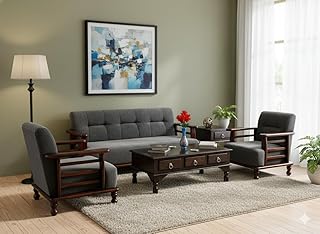


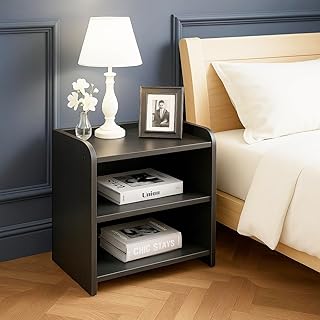


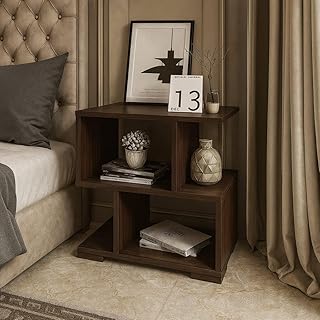

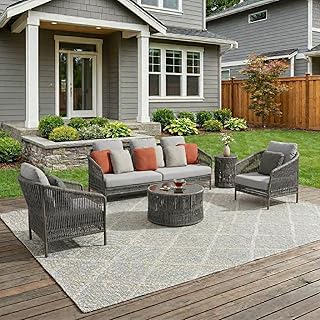


Choosing furniture for an Indian home involves more than comparing appearance and price. The right product needs to suit the available space, climate, room layout, intended use, maintenance routine and the amount of daily wear it will receive. A compact apartment in a city may require very different furniture from a large independent house, while furniture for a rental property may have different priorities from a long-term family purchase.
When comparing furniture products in India, consider construction quality, dimensions, materials, load capacity, storage design, finish, assembly requirements and after-sales terms before deciding. Customer ratings can provide useful signals, but specifications and recent verified-purchase feedback should be considered alongside one another rather than relying on a star rating alone.
Online furniture shopping makes it possible to compare a much wider range of products, but photographs can make different products appear more similar than they actually are. Before purchasing, open the complete specification section and check the measurements carefully.
Material selection is one of the most important differences between furniture products that may look similar. There is no single material that is automatically best for every application. The appropriate choice depends on structural requirements, environment, budget and design.
Solid wood is valued for its natural appearance, substantial feel and potential for repair or refinishing. Common furniture woods can differ considerably in density, grain, dimensional stability and maintenance requirements. Solid wood can also respond to changes in humidity, so construction quality and appropriate finishing matter.
When evaluating solid-wood furniture, look beyond the phrase “wooden furniture.” Check which components are actually solid wood and whether secondary panels, backs or drawers use other materials. A transparent material specification is more useful than a generic material label.
Engineered wood is widely used for wardrobes, cabinets, study tables, TV units, shelves and other indoor furniture. It can offer consistent dimensions and efficient use of material. The quality of the board, edge treatment, joinery and surface finish all influence the finished product.
For engineered-wood furniture, pay particular attention to exposed edges and areas likely to encounter moisture. Poorly protected edges can be more vulnerable to swelling or deterioration if repeatedly exposed to water.
Plywood consists of layers of wood veneer bonded together and is commonly used where strength and dimensional stability are important. Different plywood grades and constructions are intended for different applications, so buyers should avoid assuming that every product described simply as “plywood” has identical performance.
Metal can be an excellent choice for bed frames, storage racks, office furniture, chairs and utility applications. Important considerations include the metal type, thickness, welding or joining quality, protective coating and resistance to corrosion.
For homes in humid environments or areas where furniture may encounter moisture, inspect the finish and construction carefully. Rust protection is especially relevant around joints, exposed fasteners and damaged painted surfaces.
Build quality is not always obvious from product photographs. Several small construction details can help distinguish furniture designed for regular use from products that are primarily focused on appearance.
Look for securely engineered joints and appropriate fasteners. Furniture that repeatedly carries weight or experiences movement needs connections capable of handling those forces. Beds, chairs and tables deserve particular scrutiny because looseness can develop if joints or fasteners are inadequate.
For dressers, desks, bedside tables and storage cabinets, inspect the drawer mechanism. Smooth movement, appropriate alignment and adequate support are more meaningful indicators than decorative styling. Consider how frequently the drawers will be opened and how much weight they will hold.
Wardrobes and cabinets depend heavily on hinge quality and accurate installation. Doors should align properly without excessive gaps or rubbing. Soft-closing mechanisms can improve convenience, but their presence should not distract from the underlying cabinet construction.
Edges are frequently exposed to knocks and everyday handling. Inspect whether laminated or veneered edges appear properly finished and whether the surface is likely to tolerate normal cleaning. For furniture used by children, smooth edges and stable construction deserve additional attention.
Bedroom furniture should balance comfort, storage and floor-space efficiency. A bed is usually the dominant item, so its dimensions should be considered together with bedside clearance, wardrobe doors and walking space.
Living rooms require furniture that works with both the room's proportions and traffic flow. A large sofa may look attractive in an online photograph but become impractical if it blocks a doorway or leaves insufficient walking space.
For sofas and chairs, compare seat dimensions, overall depth, back height, upholstery material and frame construction. For coffee tables and TV units, consider both dimensions and cable-management requirements.
A desk should provide enough working surface for the equipment actually used. Measure the monitor, keyboard, laptop, documents and other accessories before choosing a tabletop size.
For an ergonomic workstation, consider desk height, chair compatibility, legroom, monitor positioning and the ability to keep frequently used items within comfortable reach. A desk with extensive storage is not necessarily better if the storage reduces usable workspace.
Dining tables should be selected according to household size, available floor area and the amount of clearance needed around chairs. Material and finish are especially important because dining furniture is exposed to food, liquids, heat and frequent cleaning.
Storage furniture should be evaluated according to internal capacity rather than external appearance alone. Check shelf spacing, drawer dimensions, door configuration and whether the interior layout can accommodate the objects you intend to store.
Space efficiency is a major consideration for many urban homes. Instead of simply selecting the smallest furniture available, look for designs that provide useful functionality without creating unnecessary obstacles.
Climate can affect furniture selection and maintenance. India includes dry, humid, coastal, monsoon-affected and regionally variable environments, so a material that works well in one location may require more careful maintenance elsewhere.
Humidity and repeated exposure to moisture can affect wood-based panels, finishes and metal components. Furniture should therefore be kept away from persistent water exposure, and spills should be cleaned promptly. Adequate ventilation can also help reduce moisture accumulation in enclosed storage areas.
For coastal or particularly humid environments, examine corrosion protection on metal furniture and moisture resistance around engineered-wood edges. For wooden furniture, avoid assuming that a decorative finish alone makes the product suitable for prolonged damp exposure.
Brand recognition can simplify initial research, but it should not replace product-level comparison. Well-known names such as IKEA, Godrej Interio, Nilkamal, Wakefit, Durian, Pepperfry and Urban Ladder offer different categories and product designs, so buyers should compare the specific models rather than choosing solely by brand reputation.
For each shortlisted product, compare the material specification, dimensions, construction, storage capacity, assembly requirements, warranty information and customer feedback. A less expensive model can be the better choice when its specifications match the intended use, while a premium product may justify its cost when construction, finish or functionality provides meaningful advantages.
The cheapest furniture is not always the most economical purchase. Consider the expected frequency of use, replacement difficulty and maintenance requirements when evaluating value.
A frequently used office chair, bed or dining table may justify spending more on construction and materials than a lightly used occasional table. Conversely, paying substantially more for decorative features that do not improve functionality may not provide meaningful value.
When comparing prices, account for the complete purchase conditions shown by the retailer, including delivery charges where applicable, installation fees where applicable and any optional accessories. Prices and availability can change, so verify current information immediately before purchasing.
One of the most avoidable mistakes is ordering furniture based on a visual estimate. Measure the room and the intended location, then check the product's stated dimensions. For large furniture, also consider the route from the building entrance to the final room.
Furniture is a functional product. Attractive photographs do not reveal every aspect of structural stability, storage capacity or hardware quality. Treat appearance as one selection criterion rather than the deciding factor.
Weight capacity matters for beds, chairs, shelves, stools and tables. If a manufacturer provides a load rating, compare it with the expected use rather than assuming the furniture can support any reasonable load.
Self-assembly can be straightforward for some products and considerably more demanding for others. Check the stated assembly requirements, tools needed and installation arrangements before buying.
A numerical rating cannot explain every strength or weakness. Read detailed feedback for recurring comments about dimensions, material quality, assembly, stability, finish and long-term use. Recent reviews can also reveal whether a product's current version differs from older listings.
Useful furniture reviews contain specific information. Prioritize feedback that identifies the product model and discusses actual characteristics rather than reviews consisting only of a star rating or a short statement about appearance.
For a lower budget, prioritize structural essentials over decorative features. A simple design with appropriate dimensions and sound construction can provide better value than a heavily styled product with unnecessary features.
Mid-range buyers can usually focus more closely on material quality, hardware, storage configuration, finish and convenience features. This is also a useful price segment for comparing multiple competing designs on specifications rather than appearance.
At a premium price, buyers should expect meaningful improvements in materials, construction, finishing, ergonomics, durability or design—not merely a more elaborate appearance. Verify the specifications carefully to determine what actually accounts for the higher cost.
Safety should be considered alongside appearance and price. Tall cabinets, bookshelves and wardrobes may require appropriate anchoring, particularly in households with children or where the furniture could be exposed to pulling or climbing forces.
Check whether the manufacturer provides anchoring hardware or installation guidance for tall furniture. Heavy objects should be stored in a way that maintains stability, and furniture should not be overloaded beyond its stated capacity.
For chairs, stools, beds and tables, inspect the stability of the complete assembled product. Sharp corners, unstable bases and poorly secured components can create avoidable risks in frequently used areas.
A useful shortlist should not simply contain the ten products with the highest ratings. A better approach is to compare products against the requirements of the intended room and user.
There is no single best furniture product for every Indian home. The right choice depends on room size, climate, usage, household requirements, budget and preferred material. A well-built product with appropriate dimensions and suitable materials is generally a stronger choice than one selected only for appearance.
No. Solid wood and engineered wood have different characteristics and applications. Solid wood can provide a natural appearance and substantial construction, while good-quality engineered wood can offer consistent dimensions and practical performance. Compare the complete construction rather than the material label alone.
Buying furniture online can be practical when the listing provides clear specifications, dimensions, material information and purchase terms. Before ordering, verify the current product details, retailer information, warranty conditions and customer feedback.
Start with dimensions and material. If the product does not fit the available space or its construction does not match the intended use, attractive styling or a high rating will not compensate for the mismatch.
Customer reviews can be useful for identifying practical issues that may not be obvious from specifications, particularly assembly, stability, finish and real-world dimensions. However, reviews should be considered alongside manufacturer specifications and the exact product variant.
Furniture with an appropriate footprint, integrated storage, vertical storage or multiple functions can work particularly well in smaller homes. Always measure the room and access route before ordering.
Use furniture within its intended capacity, protect it from unnecessary moisture, clean it according to the manufacturer's instructions and periodically inspect joints and moving hardware. Preventive maintenance is particularly important for heavily used furniture.
Brand reputation can be useful as an initial quality signal, but the specific product should still be evaluated independently. Compare materials, dimensions, construction, hardware, warranty conditions and customer feedback for the exact model.
The best furniture purchase is the one that solves the intended problem without creating new limitations. Before making a decision, compare dimensions, construction materials, load capacity, storage, hardware, assembly requirements, maintenance needs and warranty terms. Then compare recent customer feedback and the current price from trusted retailers.
For the strongest buying decision, avoid choosing solely from a “top 10” ranking. Use the shortlist as a starting point, identify which specifications matter most for your home and eliminate products that fail those requirements. Whether you are furnishing a bedroom, living room, dining area, study or compact apartment, careful measurement and product-level comparison are more reliable than appearance or popularity alone.