

♥ Wishlist
Compare 57 verified TV Units for Stylish and Organised Living Rooms products in India. Reviews, ratings, pros, cons and buying advice updated for October 2026.


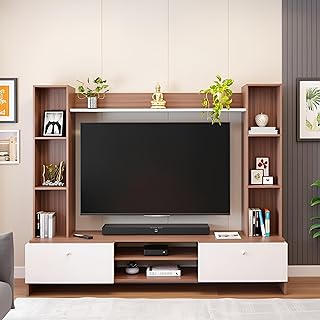


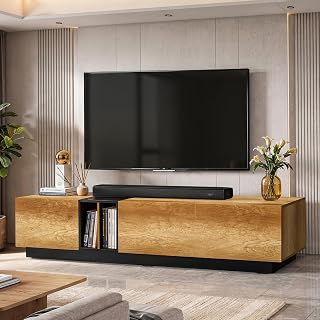


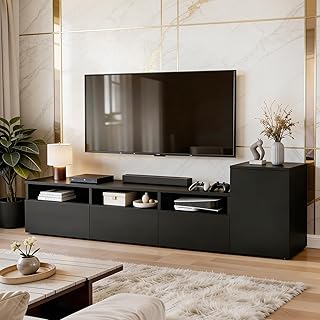


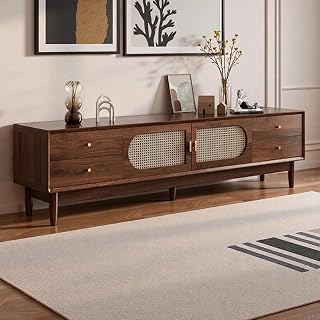

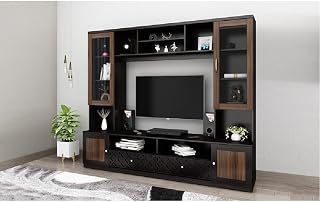


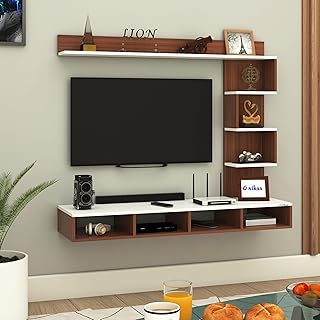

A TV unit is no longer just a stand for placing a television. In a modern Indian home, it often becomes the visual centre of the living room while also providing storage for set-top boxes, gaming consoles, speakers, remotes, books, decorative items and everyday accessories. The right unit should therefore balance appearance, structural stability, storage, cable management, television compatibility and the available floor space.
When comparing TV units in India in 2026, it is useful to look beyond photographs and star ratings. Two products can have a similar appearance but differ considerably in dimensions, material, weight capacity, assembly requirements, ventilation and long-term practicality. A good buying decision starts by measuring the room and television, identifying the equipment that needs to be stored and then comparing the construction details of shortlisted models.
This guide focuses on the factors that matter when evaluating TV units for Indian homes, including compact apartments, larger living rooms, bedrooms, rental properties and entertainment-focused spaces. Product specifications, customer feedback and current retailer information should always be checked again before purchase because models, configurations and availability can change.
The best TV unit is not necessarily the largest, most expensive or most decorative model. It is the one that fits the television and room correctly while providing the storage and usability you actually need.
Start by measuring the actual television rather than relying only on its advertised screen size. A 55-inch television, for example, can have different overall dimensions depending on its bezel, stand arrangement and design. Record the television's width, height and depth, especially if it will sit on the unit rather than being wall-mounted.
Next, measure the area where the TV unit will be installed. Check the width of the wall, the distance from nearby furniture, the position of electrical sockets and the clearance required for doors or drawers. In compact Indian apartments, a unit that looks appropriately sized online can occupy considerably more visual and physical space than expected.
Leave practical clearance around the television and equipment. Do not choose a unit simply because its advertised width is close to the television's width. A little additional width can improve stability and create a more balanced appearance.
Manufacturers commonly specify a compatible television size range. This should be treated as a useful starting point rather than the only measurement that matters. The television's actual width, stand position and weight should also be compatible with the top surface.
For televisions with centrally positioned feet, check whether the stand footprint fits comfortably. For televisions with wide legs near the edges, confirm that both feet can sit completely on the supporting surface. Never assume that a unit designed for a particular screen size automatically accommodates every television of that size.
Structural capacity is particularly important when the television will stand directly on the furniture. Check the manufacturer's stated load capacity when available and compare it with the television's weight, including the base or stand.
Do not overlook the weight of other equipment. A soundbar, speakers, gaming console, set-top box or decorative objects can add meaningful load to shelves. A strong top panel is preferable when multiple devices are intended to share the same surface.
TV units available in India are commonly manufactured using engineered wood, particle board, MDF, plywood, solid wood or combinations of materials. The material name alone does not determine overall quality. Thickness, edge treatment, joints, hardware, backing panels, shelf supports and manufacturing quality also affect durability.
Engineered wood can offer an attractive appearance at a comparatively accessible cost and is widely used for contemporary furniture. MDF can provide a relatively smooth surface for painted or laminated finishes. Plywood is valued for its layered construction and can be an appropriate choice where strength and moisture resistance are priorities, depending on the grade and finish. Solid wood can provide a distinctive appearance and substantial construction, but its weight, maintenance requirements and cost may be higher.
Particle board can be perfectly practical for some indoor applications when properly manufactured, finished and protected from moisture. However, buyers should pay attention to edge sealing and areas where screws or fittings carry repeated loads.
Engineered wood furniture is popular because it can provide a consistent appearance and a wide range of finishes. Lamination can imitate wood grains, solid colours and contemporary textures. It is often suitable for living rooms where the unit is protected from direct moisture.
When considering an engineered-wood TV cabinet, inspect the panel thickness, finish quality and edge treatment. Pay particular attention to the lower portions of the unit if the floor is likely to be mopped frequently.
MDF has a uniform structure and is commonly used for furniture panels and decorative fronts. Its smooth surface can work particularly well with painted finishes and routed decorative details.
Moisture exposure remains an important consideration. A TV unit made from MDF should be kept away from standing water and should not be treated as outdoor or wet-area furniture unless the manufacturer explicitly states that it is suitable for that environment.
Plywood consists of multiple wood layers arranged to create a stable panel. The grade, thickness and manufacturing quality matter considerably. Buyers should not assume that every product described simply as plywood has identical characteristics.
For buyers prioritising structural strength, plywood construction can be worth comparing with other materials, especially when the unit will carry heavier equipment or remain in use for many years.
Solid-wood TV units can provide a traditional or premium visual character and may complement wooden furniture particularly well. They can also be heavier than engineered alternatives.
Wood can respond to changes in humidity and temperature, so sensible placement and maintenance are important. Avoid prolonged exposure to direct sunlight or water unless the finish and manufacturer guidance indicate otherwise.
Metal-frame units can create a minimalist or industrial appearance, while tempered glass shelves may visually reduce the bulk of the furniture. These designs can be useful in contemporary interiors but require attention to glass thickness, shelf load limits, frame rigidity and cleaning.
Homes with young children or active pets may require additional consideration when selecting furniture with exposed glass, sharp corners or open metal frames.
Storage design can have as much influence on everyday satisfaction as the appearance of the TV unit.
Open shelves provide quick access to electronics and can improve ventilation around devices. They are convenient for set-top boxes, consoles, routers, books and decorative objects.
The disadvantage is that cables and clutter remain visible. Open shelving also requires more frequent dusting, which can be relevant in cities and homes where airborne dust accumulates quickly.
Closed cabinets conceal equipment and everyday clutter, creating a cleaner visual appearance. They are particularly useful when the TV unit also functions as general living-room storage.
However, closed compartments need appropriate ventilation if they contain heat-generating electronics. Doors should not obstruct infrared remote-control signals unless the equipment supports another control method.
Drawers are useful for remotes, cables, batteries, controllers, documents and small household accessories. When comparing models, examine the drawer construction and available depth rather than simply counting the number of drawers.
A combination of open shelves, drawers and cabinets is often the most flexible arrangement. It allows frequently used electronics to remain accessible while hiding items that do not need to be displayed.
A visually attractive TV unit can quickly look untidy when television, set-top box, soundbar, streaming device, gaming console and power cables are left hanging behind it. Cable management should therefore be assessed before buying.
Look for rear cable openings, channels or sufficient clearance between the furniture and wall. Check whether the openings are positioned where the cables will actually emerge from your television and electrical sockets.
A unit with a completely enclosed rear panel may look neat but can be inconvenient if cables cannot be routed easily. Conversely, a large open back can simplify installation while making cable organisation more difficult. The best configuration depends on how many devices you use.
Do not force power cables into tight bends or allow cables to become trapped between heavy furniture and the wall. Follow the instructions supplied with each electronic device and use suitable cable-management accessories when necessary.
Modern televisions are relatively slim, but entertainment systems can still generate heat. Streaming devices, gaming consoles, amplifiers, routers and set-top boxes need adequate airflow according to their individual manufacturer instructions.
Before placing electronics inside a cabinet, determine whether ventilation openings are provided and whether they remain unobstructed. Avoid filling a small enclosed compartment with several heat-producing devices simply because they physically fit.
Open shelving can be advantageous for equipment that requires airflow. If closed storage is preferred, compare the size and position of ventilation openings and consider whether the cabinet doors allow sufficient circulation.
Wall-mounted furniture can create a floating appearance and leave more visible floor area. This can be particularly attractive in smaller rooms because the open floor beneath the unit may make the room feel less crowded.
Installation requires careful consideration of wall construction and mounting hardware. The fixing method must be appropriate for the wall and the furniture's load. Do not assume that a heavy TV unit can be attached safely to every type of wall using the same hardware.
Floor-standing models are generally straightforward to position and can provide substantial storage without requiring extensive wall installation. They are useful for renters or households that prefer furniture that can be repositioned.
Check the floor contact points and overall stability. Uneven flooring can cause furniture to rock, so adjustable feet can be useful where provided.
Some furniture combines a floor-standing cabinet with a wall-mounted television or a raised display section. This arrangement can provide flexibility while keeping the television at a preferred viewing height.
There is no universal ideal TV-unit width for every television. Instead, consider the television width, the desired visual proportions and the amount of storage required.
A unit that is only slightly wider than the television can produce a streamlined appearance, while a substantially wider cabinet can provide room for speakers and decorative objects. The correct choice depends on the room and furniture arrangement.
Depth is equally important. A very deep unit may reduce walking space in a narrow living room. A very shallow unit may not provide enough room for a television stand, gaming console or other equipment.
Height affects viewing comfort. The appropriate television height depends on seating position, eye level and whether the television is placed on furniture or mounted on the wall. Avoid choosing furniture solely for visual appearance if it places the screen at an uncomfortable viewing position.
Minimalist designs usually feature clean lines, restrained colours and limited decorative detailing. They can work particularly well in contemporary apartments where the television itself is intended to remain the primary visual feature.
Wood-look finishes can complement sofas, coffee tables, bookshelves and other furniture. Walnut-style, oak-style and darker wood-inspired finishes can produce very different visual effects, so compare the actual finish with the existing room rather than relying solely on product photographs.
Floating cabinets are useful where homeowners want a modern appearance with visible floor space underneath. They can also simplify floor cleaning, although wall installation needs to be carried out correctly.
Metal frames combined with wood-look panels can create an industrial aesthetic. These models may suit loft-inspired or contemporary interiors and can offer a useful balance between open shelving and solid storage.
Traditional furniture may feature heavier profiles, decorative panels or richer wood finishes. These designs can complement classic Indian interiors and rooms containing other substantial wooden furniture.
For a compact room, prioritise proportionality rather than maximum storage capacity. A large cabinet can make a small living room feel crowded and may interfere with movement around the sofa.
Consider vertical storage if the room has adequate wall height. Wall-mounted shelves can provide additional storage without increasing the floor footprint, although their installation must be appropriate for the wall structure.
Sliding doors can sometimes be more practical than outward-opening cabinet doors in a restricted space. Open shelves can also reduce the visual weight of the furniture, but they require better organisation.
Light finishes, simple silhouettes and furniture with visible floor space underneath can help create a less bulky appearance. These are design considerations rather than guarantees that a room will appear larger.
A large living room can accommodate broader furniture, but simply selecting the biggest available cabinet is not always the best approach. Consider how the unit relates to the sofa, coffee table, lighting and other furniture.
Large units can be useful when the television area also needs bookshelves, display storage or space for substantial speakers. Modular designs can provide greater flexibility than a single fixed cabinet.
For a large entertainment setup, plan the position of every major device before choosing the furniture. Measure the soundbar, amplifier, gaming console and speakers and confirm that each has an appropriate location.
A bedroom TV unit usually needs to be more compact than a living-room entertainment centre. Storage requirements may also be different. Some buyers primarily need a stable surface for the television, while others want drawers for accessories or additional storage.
Keep the unit proportionate to the bed and other bedroom furniture. In a small bedroom, excessive cabinet depth can reduce usable walking space.
Many ready-to-assemble TV units require some level of installation. Before ordering, determine whether assembly is required and whether installation support is included by the retailer or manufacturer. Because this information can differ between listings and locations, verify the current product page before purchasing.
Examine the assembly instructions if they are available. A unit with many components and fittings can take more time to assemble correctly than a simple open-frame model.
Furniture should be assembled on a suitable surface and according to the manufacturer's instructions. Do not overtighten screws into engineered-wood panels, as excessive force can damage the material or fittings.
After assembly, check that the unit sits level and that doors and drawers operate correctly. If the design requires wall anchoring or anti-tip hardware, use it as instructed.
Screen size does not tell you the complete dimensions of a television or its stand. Always compare the furniture dimensions with the actual television footprint.
Buyers often concentrate on width and forget depth. A deep cabinet can reduce walking space and may interfere with other furniture.
Attractive photographs do not reveal every construction detail. Compare materials, panel thickness, hardware, load capacity and assembly design before making a decision.
Think about everything that needs to remain in the entertainment area. If you own a console, multiple controllers, speakers, books and accessories, a small decorative cabinet may quickly become impractical.
Check cable openings before purchase. Poor cable routing can make even a premium-looking setup appear untidy and can make future equipment changes unnecessarily difficult.
Do not place heat-producing electronics in a cramped compartment without considering their ventilation requirements.
Large furniture may need to pass through stairways, lifts, corridors and doorways. Measure difficult access points before ordering a particularly large or heavy TV unit.
Customer ratings can be useful, but they should not be treated as a substitute for specifications. A product may receive positive feedback for its appearance while individual buyers experience issues related to assembly, size or storage suitability.
Read reviews for recurring patterns rather than isolated comments. Look for feedback concerning panel quality, alignment, assembly instructions, stability, finish consistency, packaging and whether the delivered dimensions match expectations.
When reading reviews on Amazon or other retailers, pay particular attention to recent verified-purchase feedback where available. Product listings can change, and older comments may relate to an earlier version or configuration.
Photographs uploaded by customers can sometimes help you judge scale and finish more realistically than studio images. Nevertheless, lighting and camera settings can affect perceived colour, so use the manufacturer's stated finish and specifications as the primary reference.
Brand reputation can be one useful factor when comparing furniture, but it should not replace product-level evaluation. Different models from the same brand can use different materials, configurations and construction methods.
The most suitable brand depends on the particular model, construction, dimensions, installation arrangements and current customer feedback. Always compare the actual product rather than choosing solely on brand recognition.
TV furniture spans a wide range of designs and construction standards, so budget should be considered together with intended use. A basic unit may be sufficient for a bedroom or simple television setup, while a larger living-room entertainment centre may justify spending more on stronger construction, storage and finish.
Do not judge value solely by the number of shelves or cabinets. A well-designed compact unit can be more useful than a large cabinet with poor cable access or unsuitable compartments.
When comparing prices, consider the complete cost of ownership. Depending on the listing, factors such as assembly, installation, delivery-related charges and additional accessories may affect the final amount. Check the current retailer information before purchasing because these terms can change.
Consider the existing colour palette before choosing the finish. A dark unit can create contrast in a light room, while a lighter wood finish may blend more naturally with neutral interiors.
For rooms containing several wooden furniture pieces, matching the exact colour is not always necessary. Complementary tones can create a more intentional appearance than an almost-but-not-quite identical finish.
Modern rooms often suit simple geometric forms, while traditional interiors may benefit from richer finishes and more substantial furniture profiles.
Also consider wall colour. A TV unit that closely matches the wall can create a quieter visual effect, whereas a contrasting finish can make the television area more prominent.
If you use a soundbar, measure its width and height before selecting the furniture. The soundbar should not be positioned where the television blocks its output or where the furniture interferes with the manufacturer's recommended placement.
For larger speaker systems, consider whether the unit provides enough space and whether the speakers should remain on separate stands. Do not place heavy speakers on shelves that are not rated for their weight.
Audio equipment may also require ventilation and cable routing, so entertainment-focused households should evaluate the TV unit as a complete media-storage system rather than as a television stand alone.
Gaming consoles can be relatively deep and may require more space than streaming devices or set-top boxes. Measure the console with any required cables and allow sufficient room for airflow.
Controllers, games and accessories are easier to organise when the unit has drawers or dedicated storage. Open shelving can be convenient for frequently used equipment, provided cables and ventilation are properly managed.
Before placing a console inside a cabinet, follow the console manufacturer's guidance regarding ventilation and operating clearances.
Regular dusting helps maintain the appearance of both wood-look finishes and open shelving. Use cleaning methods appropriate for the specific material and finish rather than applying the same product to every surface.
Keep moisture away from exposed edges and joints. If liquid spills onto the furniture, wipe it promptly and follow the manufacturer's care instructions.
Avoid placing hot objects directly on furniture surfaces unless the manufacturer states that the finish is designed to tolerate them. Protect the surface from scratches caused by heavy decorative items or equipment being dragged across the panel.
Periodically check screws, hinges and other accessible hardware, especially after moving the furniture. If the unit develops instability, stop using it until the cause has been identified and corrected.
Stability is more important than decorative appearance. A tall or heavy piece of furniture should be positioned and secured according to the manufacturer's safety instructions.
Anti-tip devices can be particularly important for tall furniture. Where anchoring hardware is supplied, install it correctly rather than treating it as optional decoration.
Keep heavy objects in lower compartments where appropriate and avoid placing unstable decorative objects near the edge of shelves.
Homes with children should receive additional attention to accessible drawers, doors, glass components and furniture that could potentially be climbed.
Prioritise compact depth, practical storage and clean cable routing. A floating or visually lightweight design may help preserve floor space, while a combination of open and closed storage can keep the entertainment area organised.
Prioritise durability, storage capacity and equipment compatibility. A wider unit or modular arrangement may provide room for multiple devices, books and decorative items without forcing everything into one small cabinet.
Choose a simple silhouette with concealed storage and effective cable management. Avoid paying for excessive compartments that will remain unused.
Prioritise ventilation, equipment depth, cable access and controller storage. Confirm the dimensions of every major device rather than relying on a generic entertainment-unit description.
A floor-standing unit may be convenient where permanent wall modifications are undesirable. Confirm the furniture's weight and dimensions so it can be moved if you relocate.
When two products appear similar, create a direct specification comparison rather than choosing based on photographs. Compare width, depth, height, material, storage layout, load capacity, cable management, ventilation, assembly and current customer feedback.
If one product has a slightly higher price but provides substantially stronger construction, better storage or easier cable management, it may offer better practical value. Conversely, additional shelves and decorative features are not necessarily worthwhile if the room does not need them.
For a television that will remain in the same location for many years, durability and usability generally deserve more attention than temporary style trends.
Online furniture photography often uses carefully staged rooms that can make a product appear smaller or larger than it really is. Use the listed measurements and, where possible, compare them against a real object or tape-measured area in your home.
Marking the furniture footprint on the floor with removable tape can provide a useful visual check before ordering. This can reveal whether the unit will interfere with the sofa, centre table, doorway or walking path.
Read the complete product description and specification section rather than relying on the headline. Confirm the dimensions, material, included components and colour.
Check whether the displayed image represents the exact configuration being sold. Some furniture photographs show decorative items, televisions, soundbars or accessories that are not included with the furniture.
Review the current seller information, delivery conditions, assembly arrangements, return policy and warranty terms where applicable. These details can vary by product, seller and location in India.
A higher-priced model can make sense when you need stronger construction, larger storage capacity, more refined hardware, better finishing or a design that integrates with a substantial interior scheme.
However, premium pricing does not automatically guarantee that a particular unit is the right choice. Compare construction details and specifications at the product level before paying more.
A simple model can be entirely adequate when the television is small, the room is compact and there are few external devices. If most electronics are wall-mounted or stored elsewhere, paying for extensive cabinetry may provide little additional benefit.
For a guest room or secondary television, a straightforward stable stand can sometimes meet the requirement without unnecessary storage or decorative complexity.
The most reliable way to choose a TV unit is to work backwards from your actual setup. Measure the television, identify every device that needs a place, measure the available room and then shortlist furniture that satisfies those practical requirements.
After narrowing the options, compare material quality, dimensions, load capacity, storage, cable management, ventilation and assembly requirements. Use customer reviews to identify recurring real-world concerns, but verify important claims against the manufacturer's specifications.
For Indian homes, also consider floor-cleaning habits, room size, humidity exposure, access through lifts and staircases, wall construction and the amount of dust that may accumulate around open shelving.
Finally, check today's specifications, customer feedback, seller information, warranty and return conditions before completing a purchase. Furniture listings can change during 2026, so the information shown on the current product listing should take priority over older descriptions.
The best TV unit depends on television size, room dimensions, storage requirements, material preference and budget. A compact unit may be best for an apartment or bedroom, while a wider cabinet can be more suitable for a large living room with several entertainment devices.
The appropriate width depends on the actual television dimensions and desired furniture proportions. Check the television's physical width and stand footprint rather than relying exclusively on the advertised screen size. A little additional width can also provide space for speakers and decorative items.
Good-quality engineered wood can be practical for indoor TV furniture. Evaluate the complete construction, including panel thickness, edge treatment, joints, hardware and finish. Protect the furniture from prolonged moisture exposure unless the manufacturer states otherwise.
Neither material is universally better for every application. MDF has a uniform structure and smooth surface, while particle board can be practical when properly manufactured and finished. Compare the complete product construction, panel thickness and intended load rather than judging by material name alone.
Plywood can be an excellent furniture material when the appropriate grade, thickness and construction quality are used. Buyers should still evaluate the complete product rather than assuming that every plywood unit has identical strength or durability.
Many TV units can accommodate a soundbar, but the available width, depth and load capacity should be checked. Make sure the soundbar does not obstruct the television or interfere with its intended audio output.
It can be possible when the cabinet provides adequate space and ventilation. Follow the console manufacturer's recommended operating clearances and avoid enclosing heat-generating equipment in a cramped compartment.
Wall-mounted furniture can be safe when it is correctly installed using mounting hardware appropriate for the wall structure and the furniture's load. Follow the manufacturer's installation instructions and use supplied safety hardware where applicable.
Open shelves provide easier access and can improve airflow around electronics, while closed cabinets hide clutter and create a cleaner appearance. A combination of both can be a practical solution for many homes.
Choose furniture with properly positioned cable-management openings and route cables toward the relevant sockets. Cable clips or sleeves can help organise loose wires. Avoid sharp bends, trapped cables and overloaded electrical connections.
Look for recurring comments about dimensions, material quality, assembly, stability, finish, drawer alignment, hardware, packaging and cable management. Use multiple reviews rather than basing the decision on a single positive or negative comment.
A recognised brand can provide useful information about product range and after-sales policies, but brand recognition alone does not establish that one model is superior. Compare the specifications, construction, reviews and current terms of the individual product.
Ventilation can be important when electronics are stored inside the furniture. The need depends on the devices being used and their manufacturer's requirements. Do not obstruct ventilation openings or place heat-generating equipment in unsuitable enclosed spaces.
The ideal viewing height depends on seating position and viewing habits. A common goal is to keep the main viewing area of the screen at a comfortable eye level when seated, but the correct position varies by room and viewer.
Use appropriately sized furniture, conceal unnecessary accessories, organise cables and avoid filling every shelf. A combination of closed storage and limited open display space can create a cleaner appearance.
Online shopping can provide a broad selection and makes specification comparison easier, but buyers should carefully check dimensions, material, assembly, seller information, delivery conditions, return terms and current customer feedback before ordering.
Product availability, configurations, prices and customer feedback can change throughout the year. For an August 2026 purchase, verify the current listing and specifications immediately before ordering rather than relying on older product information.
A good TV unit should make the entire entertainment area easier to use, not merely make the television look attractive. The strongest choices combine appropriate dimensions, stable construction, useful storage, sensible cable routing and adequate space for electronics.
For shoppers in India, the best purchase will depend on the room, television size, furniture style, equipment collection and budget. Compare products carefully, verify the current specifications and read recent customer feedback before deciding. Taking a few minutes to measure the room and television can prevent many of the most common furniture-buying mistakes.