

♥ Wishlist
Compare 1192 verified Beds Online in India for Comfortable and Stylish Bedrooms products in India. Reviews, ratings, pros, cons and buying advice updated for October 2026.


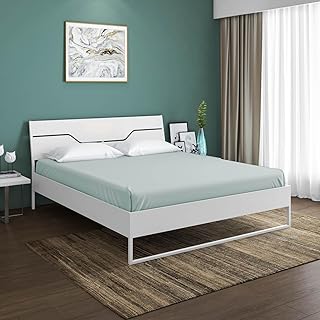

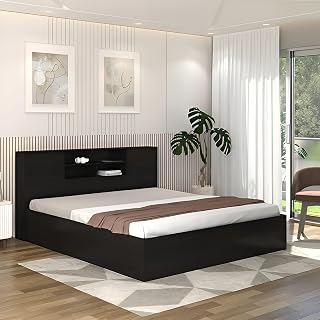


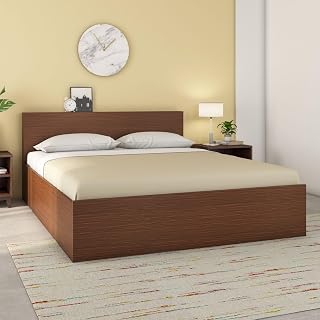


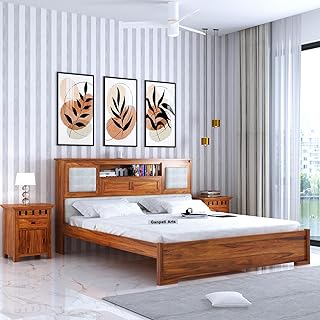












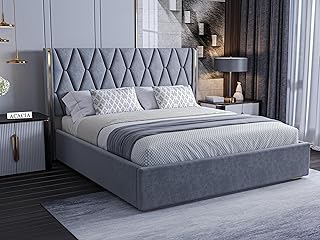


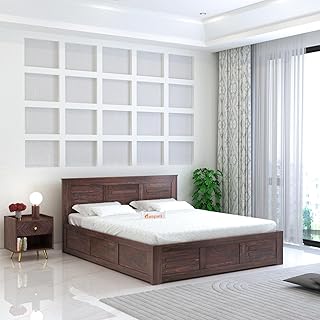
Choosing the best bed in India involves more than comparing appearance and price. A suitable bed should match the size of your bedroom, mattress dimensions, sleeping requirements, available storage, construction quality and expected daily use. Because a bed is normally a long-term furniture purchase, small differences in frame design, materials, support and assembly can make a meaningful difference over time.
This buying guide focuses on the factors worth checking before purchasing a bed online in India. Whether you are furnishing a master bedroom, guest room, children's room, rented home or compact apartment, compare the complete specifications rather than relying only on photographs, star ratings or promotional descriptions.
A well-chosen bed should provide dependable mattress support while fitting comfortably into the room and working with the way you use the space. There is no single bed that is ideal for every Indian household. A solid wooden bed may suit someone prioritising traditional appearance and durability, while an engineered-wood storage bed may be more practical for an apartment where floor space is limited.
One of the most common buying mistakes is ordering a bed based solely on the mattress label. The external dimensions of a bed are normally larger than the mattress itself because the frame, headboard, side rails and other components occupy additional space.
Before choosing a product, measure both the mattress and the room. Also account for wardrobes, bedside tables, doors, windows and walking clearance. A bed that technically fits inside a room can still make the space uncomfortable if there is insufficient clearance around it.
Single beds are useful for children's rooms, teenagers, guest rooms and compact bedrooms. They generally require less floor space and can be easier to move or rearrange. If the bed is intended for a growing child, check whether the selected mattress and frame dimensions will remain practical for several years.
Queen-size beds are a common choice for couples and bedrooms where a larger sleeping surface is desirable without using as much floor area as a king-size configuration. Always confirm the exact mattress dimensions supported by the frame because naming conventions can vary between manufacturers.
King-size beds provide a generous sleeping area and can work particularly well in spacious master bedrooms. Their larger footprint makes accurate room measurement especially important. Consider delivery access as well: staircases, lifts, corridors and doorways may limit whether a large assembled frame can reach the bedroom.
The material used for the main structure influences the bed's appearance, weight, maintenance requirements and construction characteristics. Instead of automatically treating one material as superior, consider how the bed will be used.
Solid wood beds are popular for their natural appearance and substantial construction. Common furniture woods include sheesham, rubberwood, mango wood and other species. The exact species, seasoning, joinery, finish and construction method matter considerably, so simply seeing the words "wooden bed" is not enough to assess quality.
Look for clear information about the wood used, the structural components made from it and the type of finish applied. A heavier frame is not automatically a better frame, but a well-constructed solid-wood design can provide a substantial feel and a traditional furniture appearance.
Engineered wood includes materials such as MDF, particle board and plywood, each with different structural properties. These materials are widely used in modern furniture because they can support efficient manufacturing and attractive finishes.
When considering an engineered-wood bed, pay particular attention to the thickness and construction of panels, the quality of edge finishing, joint design and the manufacturer's stated load information. Storage beds often use engineered wood extensively, making panel construction especially important.
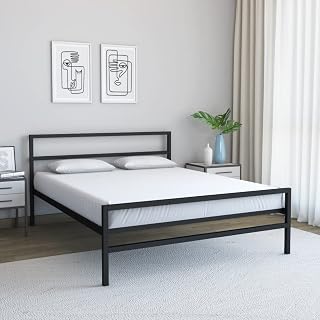
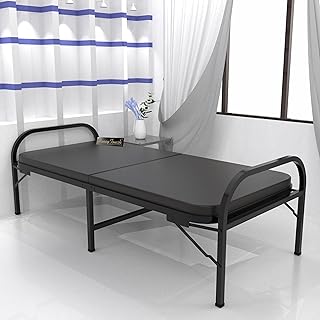
Metal frames can be a practical option for buyers who prefer a lighter-looking design or a straightforward frame structure. Steel is commonly used for bed frames, but quality depends on the gauge and construction of the metal, welding or fastening quality, reinforcement and finish.
Check whether the design includes adequate centre support and whether the frame is engineered to minimise movement and noise. A visually slim metal frame can still be strong when appropriately constructed.
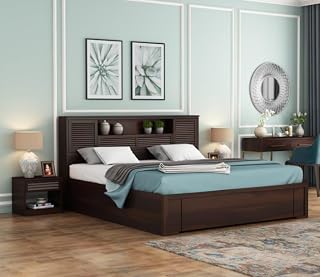
Storage beds can be particularly useful in Indian apartments and bedrooms where cupboard space is limited. Under-bed storage can accommodate seasonal clothing, bedding, luggage and other infrequently used items without requiring another large piece of furniture.
However, storage should not be the only reason to choose a particular frame. Compare the actual storage arrangement, access mechanism, internal height and ease of use.
Hydraulic beds deserve additional attention because the lifting mechanism is an important functional component. A hydraulic system should be selected according to the intended mattress size and weight, and users should understand how the opening mechanism operates before placing bedding or belongings inside.
Check the manufacturer's stated specifications for the mechanism and platform rather than assuming that every hydraulic bed has the same lifting capacity. Examine customer feedback specifically for long-term usability, assembly clarity and mechanism operation, while remembering that individual reviews do not constitute a controlled durability test.
The mattress-support system affects how the mattress sits on the frame. Depending on the design, support may come from wooden slats, a plywood platform, metal supports or another structured base.
Look for information about the spacing and arrangement of slats where applicable. The support surface should be appropriate for the mattress type. Some mattresses have specific base requirements, so check the mattress manufacturer's recommendations before finalising the bed.
Also inspect whether the frame includes a central beam or additional legs on larger sizes. A wide sleeping surface may require more support than a compact single bed, and the construction should distribute weight appropriately across the frame.
Marketing descriptions frequently use terms such as "heavy duty", "strong", "premium" or "durable". These descriptions are less useful than concrete construction information.
When comparing beds, investigate:
Do not assume that a high advertised weight capacity applies equally to every model in a product range. Verify the specification for the exact size and configuration you are considering.
A headboard can significantly affect both the appearance and practicality of a bed. Upholstered headboards can create a softer visual effect and may be comfortable when sitting up in bed, while wooden headboards are generally easier to wipe clean.
For homes with children or frequent bedroom activity, consider rounded edges and the placement of protruding components. If the bed is positioned against a wall, also check whether the headboard design requires additional clearance.
The finish should be appropriate for the material underneath it. Wooden furniture may use painted, laminated, veneered, polished or other surface treatments. A consistent finish, properly finished edges and cleanly assembled joints are more meaningful indicators than decorative terminology alone.
For darker finishes, dust may be more visually noticeable. For lighter finishes, marks and stains can also become apparent depending on the surface treatment. Consider the cleaning routine you are realistically willing to follow.
Environmental conditions can affect furniture over time. Temperature, humidity, ventilation and exposure to moisture all matter when selecting and maintaining a bed.
A wooden frame should be kept away from unnecessary moisture, and bedrooms should have reasonable ventilation. Avoid allowing water to remain on wooden or engineered-wood surfaces. For metal frames, inspect the finish periodically, particularly if the room is exposed to high humidity.
Climate alone does not determine whether a particular material will perform well. Construction quality, surface protection, installation and maintenance are equally important.
Many online beds arrive partially disassembled because a flat-pack design simplifies transportation. Assembly quality can affect stability, alignment and noise.
If professional assembly is offered by the retailer or manufacturer, compare the terms and any additional charges before ordering. Do not assume that assembly is automatically included with every online furniture purchase.
Bed noise can come from loose fasteners, movement between connected components, uneven flooring, worn hardware or insufficient support. Even a well-designed bed can develop noise if connections are not properly assembled.
When reading customer feedback, look for repeated comments about squeaking, wobbling or movement rather than relying on one isolated review. If a frame becomes noisy, inspect the joints and fasteners first and follow the manufacturer's maintenance instructions.
Photographs can show colour and design but cannot fully communicate construction quality. Always inspect the specification sheet for dimensions, materials and support details.
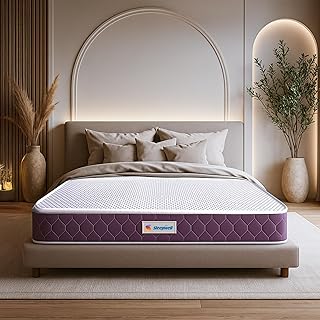
A mattress and bed should be compatible. Confirm the internal mattress dimensions rather than assuming that every "queen" or "king" product uses identical measurements.
The frame may be considerably wider or longer than the mattress. Measure the assembled dimensions and compare them with the available bedroom space.
Large storage compartments can be useful, but they can also add weight, complexity and assembly requirements. If you rarely store items under the bed, a simpler frame may be more appropriate.
Furniture that fits inside a bedroom may still be difficult to transport through a narrow entrance, staircase or lift. Check package dimensions where available.
Customer ratings can help identify common concerns, but they should be considered alongside construction details, recent feedback, specifications and the intended use of the bed.
Warranty coverage can vary by manufacturer and product. Read the actual terms to understand what is covered, the duration of coverage and exclusions. Do not rely solely on a general statement such as "warranty available."
When comparing shortlisted beds, use the same criteria for every model. This makes it easier to distinguish meaningful differences from marketing language.
Brand recognition can be a useful starting point, but it should not replace model-level research. Depending on the type and style of bed you are considering, Indian shoppers may encounter brands such as Wakefit, Sleepyhead, WoodenStreet, Pepperfry, IKEA, Durian, Nilkamal and Godrej Interio.
Availability, product ranges, specifications and terms can change, so compare the exact model rather than assuming that every product from a particular brand has the same construction quality or warranty conditions.
Reviews are most useful when they contain specific information. A short five-star rating tells you much less than a detailed review describing assembly, frame stability, storage access or finish after normal use.
Give particular attention to recurring themes across multiple reviews. If several independent customers mention the same assembly difficulty or stability issue, it deserves investigation. Conversely, a single negative comment may represent an individual delivery or installation problem rather than a universal product defect.
For furniture, recent reviews can be especially useful because product specifications, manufacturing batches, packaging and seller arrangements can change. Check the exact product variant before drawing conclusions from reviews of similar-looking models.
Prioritise compact external dimensions, sensible storage and easy access. Avoid oversized headboards or unnecessary decorative extensions when every centimetre of floor space matters.
Start with the mattress size and sleeping space required by both users. A sturdy central support structure, adequate frame dimensions and low movement can be more important than elaborate decorative features.
Consider versatility and ease of maintenance. A straightforward frame can be preferable if the room is used occasionally and needs to remain flexible for other purposes.
Prioritise appropriate dimensions, stable construction, sensible edge design and a suitable mattress. A simple design may be easier to maintain as the child grows.
Storage can be particularly valuable in apartments, but confirm the product's external dimensions and package size before purchasing. Hydraulic storage or drawers can add functionality where wardrobes and cupboards are limited.
Solid-wood designs, natural finishes and substantial headboards can complement traditional interiors. Compare the actual wood species and construction rather than relying on generic terms such as "premium wooden."
If a product page contains a large amount of information, concentrate first on the specifications that directly affect usability. Product dimensions, mattress compatibility, primary material, support construction, storage mechanism, assembly requirements and warranty conditions should normally receive more attention than decorative descriptions.
Also distinguish between the dimensions of the bed and the dimensions of the mattress it accommodates. A product may have a standard mattress size but a substantially larger overall footprint because of its headboard and side structure.
Design matters because a bed occupies a prominent position in the bedroom, but visual appeal should come after basic suitability. First establish the correct size, construction, mattress compatibility and practical features. Then compare colours, finishes, headboard styles and decorative details.
A simpler bed with appropriate support can be a better purchase than an elaborate model whose storage mechanism, dimensions or construction do not suit your room.
The best bed depends on your room size, mattress dimensions, preferred material, storage requirements, budget and construction priorities. A good choice is one that matches your practical requirements rather than simply having the highest rating or most features.
Neither material is automatically better for every buyer. Solid wood can offer a traditional appearance and substantial construction, while metal can provide a different combination of structure, appearance and weight. Compare the exact frame construction rather than choosing solely by material category.
They can be particularly useful where storage space is limited. Before choosing one, consider how often you will access the compartment, whether there is enough clearance to operate it and whether the additional mechanism and assembly requirements are worthwhile.
Durability depends on the quality and design of the complete bed as well as the lifting mechanism. Check the manufacturer's specifications, intended load requirements and warranty terms, and use the mechanism according to the supplied instructions.
Check the exact dimensions, mattress compatibility, materials, support structure, load information, storage design, assembly requirements, warranty conditions and customer feedback. These details are more useful for comparison than photographs alone.
Start with the mattress size you need and then measure the room for the bed's complete external footprint. Leave practical clearance for walking, opening doors and using nearby furniture.
Not necessarily. Weight can be influenced by the material, panel thickness, storage construction and decorative elements. Strength and durability depend on the overall design, joints, supports and materials rather than weight alone.
A headboard is primarily a design and comfort preference, although some designs can be useful when sitting against the bed. Compare its size, material, cleaning requirements and effect on the room's overall footprint before choosing one.
Ratings can help identify popular products and recurring concerns, but they should be considered alongside detailed reviews and manufacturer specifications. Look for consistent feedback about assembly, stability, finish, storage operation and overall usability.
No. Product configurations, dimensions, materials, seller arrangements, assembly services and promotional offers can differ. Compare equivalent models and check the current total cost and applicable terms before deciding.
An independent buying guide should separate measurable specifications from subjective preferences. For beds, the most useful comparison factors include dimensions, mattress compatibility, construction materials, support arrangement, storage functionality, assembly requirements, maintenance considerations, warranty information and customer feedback.
Use these criteria to narrow the field before making a purchase. Product specifications and retailer terms can change, so verify the current information for the exact model, size and seller at the time of ordering.
The right bed is the one that fits your bedroom, supports the mattress appropriately and provides the features you will actually use. For many buyers, construction quality and correct dimensions are more important than decorative extras. Storage can be valuable in compact homes, while a simpler frame may be preferable when storage is already available elsewhere.
Before buying, compare several models using the same criteria, read detailed customer feedback, verify the manufacturer's specifications and review the current warranty and return conditions. Taking a few extra minutes to check these details can help prevent common problems such as an incompatible mattress size, insufficient room clearance, difficult assembly or unnecessary features.