

♥ Wishlist
Compare 50 verified Baby Soap for Gentle and Everyday Baby Cleansing products in India. Reviews, ratings, pros, cons and buying advice updated for October 2026.


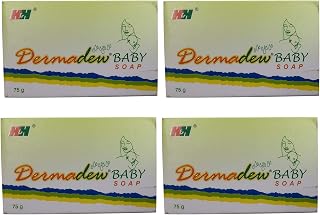


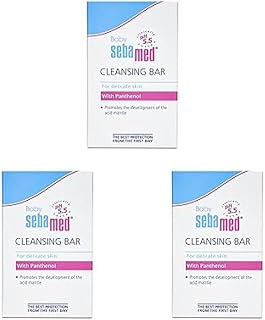


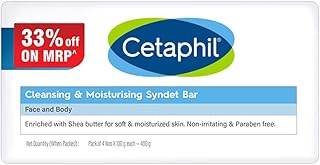


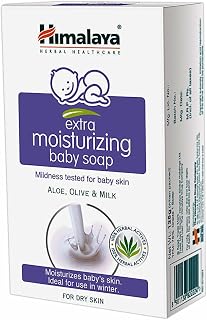


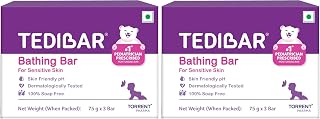


Choosing a baby soap is not simply a matter of picking the most popular pack or the product with the highest number of customer ratings. A baby's skin can be more delicate and more easily affected by dryness, friction, fragrance, environmental conditions and frequent bathing than adult skin. The right choice therefore depends on the child's age, skin characteristics, bathing routine and the ingredients used in the cleansing formula.
For parents shopping in India, additional considerations can include hot and humid weather, hard or mineral-rich water in some areas, frequent bathing during hot months and the need for products that are easy to purchase from established retailers. A sensible comparison should look beyond marketing terms and examine the actual formulation, intended age range, cleansing strength, fragrance profile, packaging and user feedback.
Baby cleansing products are generally designed with gentler skin care in mind. However, the word "baby" on a package does not by itself guarantee that a particular soap will suit every child. Two products marketed for babies can have noticeably different formulations and may produce different results depending on the child's skin.
Traditional soap bars can contain alkaline soap bases produced by reacting fats or oils with an alkali. Other baby cleansing bars may use synthetic cleansing agents, syndet technology or blended cleansing systems. These formulations can differ in how strongly they remove oils from the skin and how the skin feels after bathing.
For a young child, the objective is usually effective cleansing without unnecessarily leaving the skin feeling tight, rough or excessively dry. Parents should therefore consider the complete ingredient list and the child's response rather than relying on one marketing claim.
The cleansing base is one of the most important technical characteristics. A product intended for babies should provide enough cleansing for normal bathing while avoiding an unnecessarily harsh washing experience.
Parents comparing several options should examine whether the product is a conventional soap bar, a syndet bar or another type of cleansing formulation. Syndet refers to synthetic detergent-based cleansing systems and is not synonymous with "chemical-free"; rather, it describes the type of cleansing ingredients used.
If a child regularly experiences a tight or uncomfortable feeling immediately after bathing, the cleansing formula deserves particular attention. Changing to a milder product and reducing excessive washing may be more useful than simply choosing a bar with more added botanical ingredients.
Fragrance is an important consideration when choosing personal-care products for babies. Some parents prefer a lightly fragranced product because of its pleasant scent, while others prefer fragrance-free or minimally fragranced options, particularly when a child's skin appears sensitive.
A strong fragrance should not automatically be interpreted as evidence that a soap is unsafe, and the absence of fragrance does not automatically make a product suitable for every child. The more useful approach is to check the ingredient declaration and observe how the child's skin responds.
Baby cleansing products may contain ingredients intended to help reduce the dry feeling that can follow cleansing. Depending on the formulation, these may include emollient oils, glycerin, moisturising agents or other skin-conditioning ingredients.
Do not assume that a soap with a long list of oils is necessarily more moisturising than a simpler formula. The concentration, overall formulation and cleansing base matter. A product should be evaluated as a complete formula rather than by focusing on one attractive ingredient printed on the front of the package.
A good buying decision starts with the ingredient list. Look for a clearly printed list of ingredients, manufacturer information, batch details and usage instructions. Packaging should be intact and the product should be purchased through a reputable seller.
Parents should be cautious about products whose claims are much more prominent than their formulation information. Terms such as natural, herbal, organic, nourishing, gentle or dermatologist tested can be useful descriptions, but they should not replace examination of the actual ingredients and intended use.
Always check the age guidance on the current product packaging. A product designed for babies may still have specific usage recommendations, and products intended for older children should not automatically be assumed to be appropriate for newborns.
For very young babies, parents may also find that frequent full-body cleansing is unnecessary. Following practical bathing guidance and keeping washing routines appropriate to the child's age can be as important as selecting the soap itself.
These are designed for routine bathing and are usually the most straightforward option for families looking for a general-purpose baby cleansing bar. The key comparison points are cleansing strength, skin feel after bathing, fragrance and the presence of conditioning ingredients.
Moisturising variants are intended for parents who want a cleansing product with a greater emphasis on reducing the dry sensation associated with bathing. These can be worth comparing for children whose skin becomes dry after routine washing, although persistent or significant skin problems require professional medical advice rather than repeated changes of soap.
These products can appeal to parents who want to minimise unnecessary fragrance exposure in a baby's routine. Check the complete ingredient list because product formulations can change, and packaging descriptions should always be verified before purchase.
Herbal and plant-based baby soaps are widely marketed in India. Ingredients such as plant oils or botanical extracts may be included for skin-conditioning or marketing purposes. However, "herbal" does not mean universally suitable for sensitive skin.
Natural ingredients can still cause irritation or sensitivity in some individuals. Parents should therefore evaluate botanical products using the same criteria as any other baby cleanser: complete ingredients, intended use, fragrance, cleansing base and the child's individual response.
Indian shoppers may encounter established baby-care brands such as Johnson's, Himalaya Baby, Sebamed, Cetaphil Baby, Mamaearth, Chicco Baby Moments and Dove Baby, alongside numerous regional and pharmacy-oriented brands.
These brands should not be treated as interchangeable. Product formulations vary between individual bars and may change over time, so the specific product's current packaging and ingredient list are more useful than judging an entire brand by reputation alone.
When comparing products from brands such as Sebamed and Cetaphil Baby with mainstream baby-care ranges, pay particular attention to the cleansing technology, intended skin type and usage instructions. When considering brands such as Himalaya Baby, Johnson's, Chicco Baby Moments or Mamaearth, similarly compare the exact formulation rather than assuming every product within the range has identical properties.
A ranked list can be useful for narrowing a large marketplace selection, but a ranking should not replace individual suitability. The best product for one family may not be the best choice for another.
Customer reviews can provide useful information about packaging, fragrance, bar durability, lather and general user satisfaction. They are less reliable as a substitute for medical or dermatological evidence.
Look for recurring patterns rather than relying on one unusually positive or negative review. If multiple recent buyers independently mention the same issue, such as a changed fragrance, damaged packaging or a difference between the displayed and delivered product, that information deserves closer attention.
Also distinguish product performance from seller-related problems. A leaking package, damaged box or incorrect quantity may reflect fulfilment rather than the formulation itself.
A familiar brand can provide useful reassurance, but popularity does not guarantee that every product in its range is suitable for every child. Always compare the specific formulation.
Foam can make a product feel effective, but more foam does not necessarily mean better cleansing. The quality and suitability of the cleansing system are more meaningful than the visual amount of lather.
Plant-derived ingredients can be useful components of a formulation, but "natural" is not a universal measure of gentleness. Some botanical ingredients and fragrances can be unsuitable for particular individuals.
A product can receive excellent general feedback and still fail to suit a particular child. Watch for persistent dryness, redness, discomfort or other changes after introducing a new product.
Bulk purchasing may appear economical, but it can be inconvenient if the product does not suit your child. When trying a new cleanser, a smaller pack can reduce unnecessary waste.
A lower sticker price does not necessarily mean lower cost per bar or better value. Compare the number and size of bars in each package before deciding which option is economical.
Baby soap bars and liquid baby washes can both be practical. The better format depends on household preference, storage conditions and the child's skin.
A bar can be compact, convenient to store and simple to dispense without measuring. A liquid wash can be convenient for parents who prefer controlled dispensing or find a pump bottle easier to handle during bathing.
For either format, the important factors remain similar: cleansing system, ingredients, fragrance, age suitability and the child's individual response. Packaging format should not be confused with formulation quality.
Bathing frequency should be appropriate to the child's age, activity level, climate and individual needs. In India's warmer regions, parents may be tempted to bathe a baby more frequently because of sweating or heat. However, repeated cleansing can contribute to dryness in some children.
A practical bathing routine should balance cleanliness with preservation of the skin's natural barrier. Avoid unnecessarily long baths and very hot water. Use the cleanser where cleansing is actually needed rather than automatically applying a large amount to every area of the body during every bath.
Dryness can be influenced by bathing frequency, water temperature, cleanser strength, weather and other aspects of the baby's routine. If dryness appears after introducing a new soap, consider whether the timing suggests a connection.
Reducing unnecessary cleansing and avoiding very hot water may help. A suitable moisturiser can also be part of an age-appropriate skin-care routine. If dryness is severe, persistent, painful, associated with significant redness, cracking, oozing or other concerning symptoms, parents should seek advice from a qualified healthcare professional.
"Mild" is a useful marketing description but should be considered alongside the ingredient list and cleansing system. It is not a guarantee that the product will suit every child.
This wording should be interpreted in the context of the specific product and the testing information provided by the manufacturer. It should not be treated as a promise that the product cannot cause irritation or sensitivity.
Hypoallergenic generally indicates that a manufacturer has formulated or tested a product with reduced allergenic potential according to its own criteria. It does not mean that an allergic or sensitive reaction is impossible.
These descriptions refer to particular aspects of the ingredient sourcing or formulation and should not be interpreted as a universal safety rating. Review the complete ingredients and consider the child's individual sensitivity.
Online marketplaces can make it easy to compare brands, pack sizes, customer ratings and current prices. They also create additional reasons to check product details carefully before ordering.
Price comparisons are more meaningful when made on an equivalent quantity. For example, if one package contains three bars and another contains six, compare the cost per bar as well as the total package price.
However, the cheapest cost per gram or per bar should not automatically determine the winner. If a product causes excessive dryness or does not fit your child's needs, the apparent saving may not represent good value.
India has substantial climatic variation, so bathing preferences can differ from one household to another. Hot and humid conditions can increase sweating and encourage more frequent bathing, while dry or cooler conditions can make skin dryness more noticeable.
In either situation, the cleanser should be selected according to the child's skin and bathing routine rather than simply according to the season. During periods when the skin appears dry, parents may benefit from reducing excessive washing and choosing a routine that places greater emphasis on maintaining the skin barrier.
Stop using a newly introduced product if it appears to cause an immediate or repeated adverse reaction. Signs that deserve attention can include persistent redness, significant irritation, swelling, marked discomfort or worsening skin symptoms.
Do not repeatedly test a suspected irritant simply to determine whether the reaction happens again. If a reaction is significant or does not settle, consult an appropriate healthcare professional for advice.
A good routine does not require a large collection of specialised products. For many families, the essentials are a suitable cleanser, clean water, a soft towel and an age-appropriate moisturising product when needed.
Keeping the routine simple also makes it easier to identify what may be responsible if the child's skin changes. Introducing several new products simultaneously can make it difficult to determine which product caused an unwanted reaction.
There is no single baby soap that is best for every child. The appropriate choice depends on age, skin characteristics, fragrance preference, cleansing formula, ingredient profile and individual response. Compare the exact product rather than selecting solely by brand reputation.
No. A higher price does not automatically indicate a better formulation. Compare the ingredients, cleansing technology, intended use, quantity, packaging and user feedback before making a decision.
Parents should follow age guidance on the specific product and consider advice from their healthcare professional, particularly for newborns or babies with unusual skin concerns. Not every product marketed for babies is intended for every stage of infancy.
Not necessarily. Herbal products can contain useful ingredients, but plant extracts and fragrances can also be unsuitable for some children. Evaluate the complete formulation and the baby's individual response.
Fragrance-free products can be an attractive option for parents who want to minimise fragrance in a baby's routine, particularly when the child has sensitive-looking skin. Nevertheless, fragrance-free does not guarantee that a particular formulation will suit every baby.
Whether a cleanser is appropriate for daily use depends on the product, the baby's age, bathing routine and skin condition. Excessive cleansing can contribute to dryness, so use the product according to its instructions and avoid unnecessary washing.
Neither category is automatically best for every child. Compare the cleansing system, ingredient list, skin feel and product guidance. A syndet bar may be preferred by some families seeking a different cleansing profile, while others may prefer a conventional baby soap.
A tight, rough or unusually dry feeling after bathing can indicate that the cleansing routine is too drying for the child. Consider the water temperature, bathing frequency and cleanser formulation rather than focusing on the product name alone.
Check the product's directions before using it on the face. The skin around the eyes is particularly sensitive, and a cleanser intended for general body washing may not be appropriate for every facial-use situation.
Look for repeated comments concerning dryness, fragrance, lather, bar longevity, packaging and whether the delivered item matched the listing. Give more weight to consistent recent feedback than to isolated reviews.
The best baby soap purchase is not necessarily the product with the most impressive packaging, the largest number of reviews or the longest list of botanical ingredients. A better approach is to identify the child's requirements first and then compare suitable formulations.
Start with age suitability and the cleansing system. Next, review fragrance, conditioning ingredients and the complete ingredient declaration. Then compare pack size, seller reliability and recent customer feedback. Finally, consider whether the product fits your household's bathing routine and climate.
For an independent buying decision, compare several established options rather than relying on one brand. Products from Johnson's, Himalaya Baby, Sebamed, Cetaphil Baby, Chicco Baby Moments, Dove Baby and Mamaearth can be included in a broader comparison, but the exact variant and current formulation should always be checked before purchase.
Most importantly, treat your baby's skin response as a meaningful part of the decision. If a product consistently leaves the skin comfortable and clean without unnecessary dryness or irritation, it may be a practical choice for that child. If persistent or significant skin symptoms occur, choosing another soap should not replace professional medical advice.
Before buying any baby soap online in India, verify the current product name, variant, quantity, ingredients, age guidance and seller information. Product pages can change, and marketplace listings may contain outdated descriptions, so the physical packaging and current manufacturer information should take priority when there is a discrepancy.
Customer ratings can help with commercial comparison, but they should be interpreted alongside specifications rather than treated as proof of medical suitability. The most useful buying decision combines formulation information, practical household requirements and the individual baby's response.