

♥ Wishlist
Compare 32 verified Home Improvement products in India. Reviews, ratings, pros, cons and buying advice updated for October 2026.


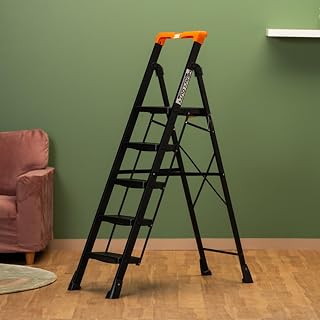


Choosing home improvement products is rarely about finding the most expensive option. The better approach is to match the product's construction, capacity, features, safety, installation requirements and long-term practicality with the way your home is actually used. Indian homes vary considerably in apartment size, electrical infrastructure, water conditions, climate, storage space and maintenance requirements, so a product that works well in one household may be unnecessary or unsuitable in another.
This guide is designed for shoppers comparing home improvement products in India across categories. Rather than focusing only on ratings or headline features, consider the specifications that affect everyday ownership: material quality, dimensions, power requirements, compatibility, installation, cleaning, replacement parts, warranty terms and after-sales support. Brands such as Philips, Havells, Bajaj, Crompton, Bosch, Black+Decker, Stanley and Amazon Basics appear across different home and DIY categories, but brand recognition should always be considered alongside the specifications of the particular product.
The right purchase starts with the problem you want to solve. A compact apartment may benefit more from space-efficient equipment and multifunctional tools than from large specialist products. A detached house may place greater emphasis on outdoor maintenance, plumbing, electrical work and heavier-duty equipment.
Before comparing models, define the task. Ask whether you need a product for occasional repairs, regular maintenance, renovation work or a permanent home installation. Occasional users generally benefit from simple controls and low maintenance, while frequent DIY users may gain more from durable construction, interchangeable accessories and broader adjustment options.
Dimensions are among the easiest specifications to overlook. A product can have excellent features yet be impractical if it cannot fit into the intended cabinet, utility area, workshop, balcony or bathroom.
For installation-based products, measure width, height and depth and allow additional clearance for ventilation, doors, cables, hoses and routine servicing. For tools and portable equipment, consider both the product's dimensions and the space required to use it safely.
Electrical home improvement products should be assessed for rated voltage, power consumption, plug configuration, cable length, operating controls and protection features. Do not assume that a higher wattage automatically means better performance. The appropriate power rating depends on the intended application and the electrical circuit supporting the product.
Products with heating elements, motors or high-power loads deserve particular attention. If you are unsure whether an appliance or tool is suitable for an existing circuit, consult a qualified electrician rather than relying on an online product description.
Material choice can influence durability, weight, corrosion resistance, cleaning requirements and overall handling. Stainless steel may be useful where resistance to moisture and corrosion matters, while reinforced plastics can reduce weight in portable equipment. For hand tools, the quality of the working end and handle design can be more important than cosmetic finishes.
Look beyond words such as “premium” or “heavy duty.” Examine the actual construction details provided by the manufacturer, including material specifications, thickness where relevant, component type and stated operating limits.
Different product categories require different performance measurements. For power tools, relevant specifications can include motor power, speed range, torque, chuck or accessory compatibility and operating modes. For cleaning equipment, airflow, pressure, capacity and filtration may be more meaningful. For storage and organization products, dimensions, load capacity and material construction deserve greater attention.
Avoid comparing unrelated specifications in isolation. A larger numerical rating is not necessarily useful if the product lacks the accessory, control range or compatibility needed for your particular task.
Good home improvement equipment should make routine work easier rather than introducing unnecessary complexity. Consider grip comfort, weight distribution, control placement, adjustment mechanisms, visibility of settings and the effort required to clean or maintain the product.
For products likely to be used by several members of a household, intuitive operation can be particularly valuable. Complicated controls may offer flexibility, but they can also make occasional use less convenient.
Accessories can significantly affect the usefulness of a home improvement product. Before purchasing, determine what is included and what must be bought separately. Check attachment sizes, thread types, battery systems, replacement filters, blades, bits, hoses and other consumables where applicable.
Compatibility is especially important for cordless tools. If you already own equipment from a particular battery platform, staying within that ecosystem can reduce the need to purchase additional batteries and chargers.
Homes that need occasional repairs can often benefit from a practical combination of hand tools, measuring equipment, fasteners and a versatile power tool. A screwdriver set, adjustable wrench, pliers, measuring tape, level and suitable drill can cover many routine tasks.
For basic DIY work, ease of use and reliability are often more important than professional-grade specifications. If a tool will only be used a few times each year, paying substantially more for features that will never be used may not provide meaningful value.
A drill or drill-driver should be selected according to the materials you expect to work with. Wood, metal, masonry and tile have different requirements, and the correct bit is just as important as the machine itself.
Painting projects require more than a suitable applicator. Surface preparation, masking, sanding, primer selection and drying conditions can have a larger impact on the final result than the equipment itself.
For powered painting equipment, compare spray pattern adjustment, nozzle options, container capacity, cleaning procedure and compatibility with the materials you intend to apply. Always follow the manufacturer's instructions regarding coatings and ventilation.
Home maintenance products used for cleaning should be evaluated according to the surfaces they are intended to treat. Flooring, upholstery, windows, kitchens, bathrooms and outdoor surfaces can require different levels of pressure, heat, suction or chemical compatibility.
Consider filter maintenance and replacement costs, tank capacity, hose reach, noise, storage requirements and the availability of replacement components. A machine that is difficult to clean may become less convenient over time even if its initial performance is strong.
Storage products can improve the usability of a home without requiring major renovation. Shelving, tool organizers, drawer systems and modular storage should be selected according to available dimensions and expected load.
Do not judge load-bearing ability from appearance alone. Check the manufacturer's stated capacity and installation requirements. Wall-mounted systems require particular attention to wall construction, fixing hardware and the distribution of weight.
The choice between corded and cordless equipment depends largely on where and how often you work.
The most important cordless consideration is the complete battery ecosystem. A tool may appear inexpensive until the cost of an additional battery, charger and accessories is included. If you already use a compatible platform from a brand such as Bosch, Black+Decker or Stanley, ecosystem compatibility can be a useful factor in the decision.
Metal components can provide strength and resistance to deformation, although the particular alloy, thickness, finishing and manufacturing quality all matter. In humid environments, corrosion resistance becomes especially relevant.
Plastic is not automatically a sign of poor quality. Well-designed engineering plastics can provide impact resistance, insulation, low weight and resistance to certain environmental conditions. The key is to assess where plastic is used and whether the construction is appropriate for the intended load and operating conditions.
Rubberized grips, seals, feet and flexible connections can improve handling and reduce vibration. For products exposed to water, heat or chemicals, verify that the manufacturer's material specifications are appropriate for the intended environment.
Installation is an important part of the buying decision for products that connect to electrical, water, gas, drainage or structural systems. The product itself may be suitable while the existing installation environment is not.
Customer ratings can provide useful signals, but a rating alone does not establish whether a product is right for your requirements. Read reviews for recurring observations rather than isolated complaints or praise.
Look for comments concerning durability, installation, noise, controls, accessory quality, actual dimensions, cleaning and long-term usability. Give greater weight to reviews that explain how the product was used and what specific outcome the buyer experienced.
Also distinguish product issues from installation or compatibility problems. A complaint about poor performance may result from unsuitable accessories, incorrect setup, an incompatible surface or unrealistic expectations.
Warranty coverage should be checked before purchase because terms can vary by product and manufacturer. Read the applicable warranty documentation for coverage period, exclusions, registration requirements and service procedures.
For equipment containing motors, batteries, pumps, heating elements or electronic controls, availability of replacement parts can be especially important. A product with replaceable filters, batteries or wear components may be easier to maintain than one that requires replacement of an entire assembly.
Do not assume that a familiar brand automatically provides identical service coverage for every product category. Check the specific model and the applicable support terms before making a purchase.
Low purchase cost can be attractive, but a product that lacks the required capacity, compatibility or durability may create additional expenses later. Compare the specifications that directly affect your intended use before prioritizing price.
The opposite mistake is buying a highly featured model for simple jobs. Extra modes, accessories and electronic controls can increase complexity without improving the outcome of basic household tasks.
Filters, blades, sanding discs, batteries, drill bits and other consumables can become a meaningful part of ownership cost. Check their availability and replacement requirements before choosing a product.
Large equipment can be inconvenient in apartments and smaller homes. Consider where the product will be stored when it is not being used, including space for cables, accessories and protective cases.
Ratings should be treated as one input rather than the entire buying decision. Compare the number and substance of reviews, specifications, intended use and recurring feedback before deciding.
A product can be technically excellent but unsuitable for an existing installation. Verify measurements, connection types, power requirements and mounting conditions before purchase.
Value is best understood as the relationship between purchase cost, usefulness, durability, maintenance and suitability. A moderately priced product that performs the required task reliably can offer better value than a premium model with unused features.
Brand selection can provide a useful starting point, particularly when considering service networks, product ecosystems and replacement accessories. However, the appropriate choice still depends on the exact model and application.
These brands should not be treated as interchangeable or automatically superior. Compare the individual product's specifications, compatibility, warranty, accessories and current customer feedback.
Home improvement products should be used only within their specified operating conditions. Read the manufacturer's instructions before operating powered equipment, and use appropriate protective equipment for the task.
Electrical repairs, gas work, major plumbing modifications, structural changes and other potentially hazardous installations should be handled by appropriately qualified professionals when they exceed normal DIY capability. Never bypass safety mechanisms or use accessories that are incompatible with the equipment.
Keep power tools, sharp components, chemicals and other hazardous equipment away from children. Disconnect equipment from its power source before performing appropriate maintenance or changing accessories when the manufacturer's instructions require it.
A useful household toolkit does not need to contain every possible tool. Start with equipment that addresses common repairs and expand it as your projects become more specialized.
For more advanced projects, additional equipment can be selected according to the materials and techniques involved. Avoid buying specialist tools simply because they appear useful; renting, borrowing or using a professional service may be more practical for infrequent work.
Regular maintenance can help preserve performance and identify problems before they become more serious. Follow the maintenance schedule and cleaning instructions supplied with each product rather than applying generic procedures that could damage components.
When narrowing a shortlist to ten products, use the same evaluation framework for every candidate. First establish whether each product can perform the intended task. Then compare construction, performance, usability, included accessories, maintenance, compatibility and ownership considerations.
A useful comparison does not necessarily identify one universal winner. The best option for a homeowner completing occasional repairs may differ from the best choice for someone regularly renovating a property. Similarly, apartment residents may prioritize compact storage and low setup time, while workshop users may place greater importance on power, durability and accessory compatibility.
Determine whether the product has sufficient capability for the materials, surfaces and workloads you expect. Avoid choosing based solely on the largest specification number.
Look for sensible construction, appropriate materials, established replacement components and consistent feedback about everyday use. Reliability is particularly important for products that are difficult or expensive to replace after installation.
Weight, controls, setup time, cleaning and storage can determine whether a product is actually used. A theoretically capable product is less valuable if it is inconvenient for the household's normal routine.
Consider the purchase price together with batteries, accessories, consumables, maintenance and installation where relevant. This produces a more realistic comparison than looking only at the initial price.
Premium equipment can make sense when the product will be used frequently, when precision matters, or when better construction and accessory compatibility provide meaningful benefits. Professionals and serious DIY users may also value features that save time across repeated projects.
For occasional household repairs, however, a simpler model can be more appropriate. The goal should be sufficient capability rather than maximum specifications.
Buying equipment is not always the most economical solution. If a task requires specialist expertise, involves significant safety risks or is unlikely to be repeated, hiring a qualified professional may be more practical. The same applies to major electrical, plumbing, structural or gas-related work.
Before purchasing specialist equipment, consider how many times you expect to use it. If the answer is once or twice, compare the total cost of ownership with professional service or equipment rental where available.
There is no single best product for every Indian household. The right choice depends on the task, budget, available space, compatibility, expected frequency of use and required performance. Compare the specifications and ownership considerations of the shortlisted models before purchasing.
Beginners can start with versatile equipment for measuring, fastening, drilling and basic repairs. A practical toolkit should prioritize safe operation, ease of use and commonly required functions rather than a large collection of specialist tools.
No. Higher-priced products may offer stronger construction, additional controls, better accessory ecosystems or other useful features, but those advantages matter only when they match your requirements. For occasional use, a simpler product can provide better overall value.
Choose corded equipment when continuous operation and reliable access to power are priorities. Choose cordless equipment when mobility and quick setup are more important. For cordless tools, also compare battery availability, charger requirements and compatibility with other tools you own.
Customer reviews can reveal practical issues that specifications do not always communicate, such as ease of installation, handling, noise or accessory quality. Read detailed and recent verified feedback, and compare recurring observations with the manufacturer's specifications.
Check rated voltage, power requirements, plug configuration, cable length, operating controls, safety features, installation requirements and warranty conditions. If the product will place a substantial load on a household circuit, obtain appropriate professional advice.
Check the exact model number and manufacturer's compatibility information before buying accessories. Pay particular attention to dimensions, attachment systems, battery platforms, filter types, thread specifications and supported consumables.
Brand reputation can be useful when assessing product ecosystems, service arrangements and replacement components, but the exact model still matters. Compare specifications, intended use, warranty terms and customer feedback rather than selecting a product solely because of its brand.
A multifunctional product can save storage space and reduce the number of purchases, but specialized equipment can offer better performance for demanding tasks. Choose multifunctional equipment for genuinely recurring needs and specialized products when precision or capability is important.
There is no universal replacement interval. Replace or repair equipment based on condition, safety, performance, manufacturer guidance and availability of replacement components. Damaged electrical cables, compromised safety mechanisms and structurally damaged equipment should not be used simply because the product is still operational.
The strongest home improvement purchase is the one that solves the intended problem without creating unnecessary complexity, maintenance or compatibility issues. Start with the job, measure the space, establish the required performance and then compare suitable products on construction, usability, accessories, serviceability and total ownership cost.
Before making a final decision, compare the exact model specifications, read recent verified customer reviews, check the manufacturer's warranty conditions and confirm current pricing from trusted retailers. Product availability, configurations and prices can change, so information should be verified at the time of purchase.
Whether you are assembling a first DIY toolkit, upgrading a workshop, maintaining an apartment or improving a larger home, careful specification-based comparison is more reliable than choosing solely by popularity or promotional claims. Use the buying criteria in this guide to narrow the available options and select the product that best fits your particular home, project and budget.