

♥ Wishlist
Compare 50 verified BLDC Motor products in India. Reviews, ratings, pros, cons and buying advice updated for October 2026.


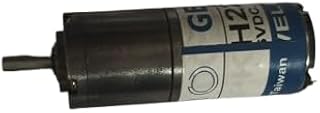


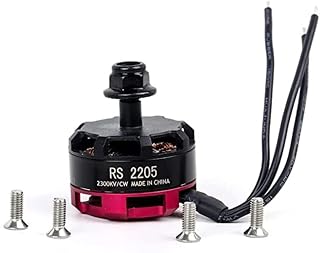
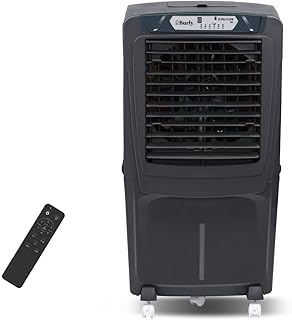

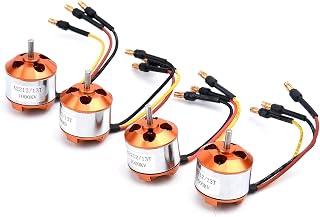


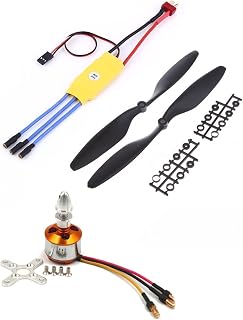


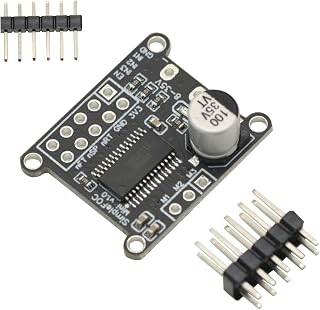


BLDC technology is no longer limited to specialist industrial equipment. In India, brushless direct-current motors are increasingly used in household appliances, ceiling fans, ventilation equipment, pumps, cooling systems and other products where lower electrical consumption, smooth operation and electronic speed control are important. However, the phrase “BLDC motor” by itself does not tell you whether a product is actually suitable for your application.
The right choice depends on the complete product rather than the motor name alone. Motor efficiency, rated power, operating voltage, controller quality, airflow or water-flow performance, physical size, control method, installation requirements, warranty terms and service availability can all affect the ownership experience.
For household buyers, ceiling fans are currently one of the most visible BLDC applications. Brands such as Atomberg, Crompton, Havells, Orient Electric, Bajaj Electricals, Usha, V-Guard and Polycab offer products or product ranges using energy-efficient motor technology. The best option is not necessarily the one with the lowest advertised wattage or the longest feature list; it is the model whose specifications match the room, electrical supply and usage pattern.
BLDC stands for Brushless Direct Current. Unlike a conventional brushed DC motor, a BLDC motor does not rely on mechanical brushes and a commutator to switch current through the windings. Electronic circuitry performs the commutation required to rotate the motor.
This design can provide several practical advantages. There are fewer mechanical wear components inside the motor, electronic speed control can be precise, and the motor can operate efficiently across a range of speeds when paired with an appropriate controller and load.
In a consumer appliance, however, the motor is only one part of the system. A BLDC fan, for example, also depends on its blade design, motor controller, bearings, shaft assembly, balancing, electronics, remote-control system and installation quality. Consequently, two products with similar BLDC motor claims can provide noticeably different results.
A conventional ceiling fan generally uses an AC induction motor, while many modern energy-efficient fans use a BLDC motor with an electronic controller. The BLDC design can reduce electrical consumption substantially under appropriate operating conditions, which is particularly relevant for fans that run for many hours each day.
BLDC systems also make electronic functions such as remote speed control, timers, sleep modes and variable-speed operation easier to implement. This is one reason why many current BLDC appliances combine efficiency improvements with convenience features.
There is an important qualification: advertised energy savings are not universal. Actual savings depend on the wattage of the product being replaced, speed setting, daily operating hours, electricity tariff and the efficiency of the specific models being compared.
India has a particularly strong use case for energy-efficient motors because fans, ventilation equipment and pumps can operate for long periods during warm weather. A relatively small reduction in power consumption becomes more meaningful when an appliance runs for several hours every day.
A common buying mistake is to see “BLDC” in a product title and assume that every other specification will automatically be better. The motor technology is important, but it should be evaluated alongside the actual output and construction of the appliance.
Wattage tells you how much electrical power the appliance is designed to draw under a specified operating condition. For a ceiling fan, maximum-speed wattage is useful, but it should not be viewed in isolation.
A lower wattage number is not automatically better if the appliance also produces substantially less airflow. A more useful comparison is the amount of useful output delivered for the electrical power consumed.
Air delivery is usually expressed in CMM, or cubic metres per minute. It indicates the volume of air moved by the fan under the applicable test conditions. When comparing two ceiling fans, look at air delivery together with wattage rather than choosing solely on the basis of either number.
A fan with excellent efficiency but insufficient airflow for the room may be frustrating in everyday use. Conversely, a very high-airflow model may be unnecessary for a small bedroom if it requires a higher purchase price or provides features you do not need.
Ceiling-fan sweep refers to the diameter of the circular area covered by the blades. A 1200 mm fan is a common choice for many bedrooms and medium-sized rooms, while larger rooms may benefit from a larger sweep where the ceiling height and installation conditions permit it.
Do not select sweep size by room area alone. Ceiling height, furniture arrangement, number of occupants, ventilation, heat sources and the desired air movement all influence the appropriate choice.
The BLDC motor works together with an electronic driver or controller. This controller manages the electrical signals required for motor operation and speed control. It is therefore worth checking whether the warranty and service information clearly cover the electronic components as well as the motor.
A product can have an impressive motor specification but still require attention to the quality of its electronics, remote receiver, power supply components and internal connections.
Voltage conditions vary across Indian homes and locations. If your household experiences voltage fluctuations, check the manufacturer's stated operating range rather than assuming every BLDC product will behave identically.
A wide stated voltage range can be particularly relevant in locations where the mains supply is less stable. It is also important not to confuse voltage tolerance with protection against every possible electrical fault. Proper electrical installation and appropriate protective devices remain important.
Most modern BLDC ceiling fans use electronic controls rather than the traditional regulator arrangement commonly associated with induction fans. Depending on the model, control may be provided through an infrared remote, radio-frequency remote, wall control, mobile application or smart-home integration.
Before buying, verify exactly how the fan is controlled. A remote-controlled fan may require different installation considerations from a conventional regulator-operated fan.
For most consumers searching for BLDC products in the household category, ceiling fans are likely to be the most relevant application. The following criteria can help narrow a large marketplace selection into a practical shortlist.
For a typical bedroom, a standard-size ceiling fan is often the starting point. Larger living rooms, halls and open spaces may require a larger sweep or more than one fan depending on the layout.
Energy labels can be useful, but buyers should check the details on the actual product label and current documentation. Efficiency classifications and applicable standards can change, so an older product listing may contain information that is no longer directly comparable with a newer model.
For an August 2026 purchase, compare the current energy information associated with the exact model and not simply a generic statement about the brand's BLDC range.
One useful way to think about a fan is airflow delivered relative to power consumed. This gives buyers a more meaningful comparison than asking which product has the lowest wattage.
For example, if one fan consumes slightly more power but provides considerably better air delivery, it may be the more appropriate choice for a large room. In a small bedroom, the priorities may be different.
BLDC motors can contribute to smooth and quiet operation, but the complete fan determines the final noise level. Blade balance, bearings, mounting, ceiling structure and installation can all influence sound.
If the fan is intended for a bedroom, study room or nursery, pay particular attention to buyer feedback concerning humming, clicking, bearing noise, remote beeps and vibration. Do not assume that every product marketed as “silent” will be equally quiet in every installation.
One of the biggest practical differences between traditional and modern BLDC ceiling fans is the control system. A remote can be particularly useful in bedrooms because the user can change speed, activate a timer or switch the fan off without reaching for a wall regulator.
A timer can be useful when the fan is used while sleeping. Instead of manually switching it off, the user can select an appropriate duration if the product supports that function.
Sleep modes may gradually reduce speed or use a predefined operating pattern. The exact behaviour differs between manufacturers, so check the product manual rather than assuming that every “sleep” setting works in the same way.
Some BLDC fans include a boost or high-speed mode designed for stronger initial airflow. This can be useful after entering a warm room, although maximum-speed operation generally consumes more power than lower speed settings.
Selected premium models from brands such as Atomberg, Orient Electric and other established manufacturers may provide app or voice-assistant features. These can be useful for users already invested in a smart-home ecosystem.
However, smart connectivity should be treated as an optional convenience rather than the primary reason to buy a fan. Motor efficiency, airflow, reliability, serviceability and warranty remain more important for long-term ownership.
A high-quality appliance can perform poorly if it is installed incorrectly. Before purchase, check the ceiling condition, mounting arrangement, electrical wiring and available clearance.
Power interruptions are an important consideration for many Indian households. A lower-power appliance can place less load on an inverter than a higher-power alternative, potentially making efficient motor technology attractive for backup operation.
Nevertheless, “inverter friendly” should not be interpreted as a guarantee that every inverter will operate every BLDC product correctly. Compatibility can depend on inverter waveform, output characteristics, electrical protection and the specific fan controller.
If uninterrupted operation is important, verify the manufacturer's compatibility information for the exact model before purchase.
Homes that experience voltage fluctuations should pay special attention to the stated input-voltage range and protection features. This is especially important for appliances containing electronic motor controllers.
Buyers should distinguish between normal operating tolerance and protection against severe surges. A wide operating range does not remove the need for sensible electrical protection, proper earthing and safe wiring.
Material selection affects weight, durability, appearance, heat management and long-term maintenance. The exact materials vary by product and model.
Motor housings may use metal or engineered materials depending on the appliance design. A well-designed housing needs to provide appropriate structural strength while allowing the motor and electronics to operate within their intended conditions.
Ceiling-fan blades can be manufactured from materials such as aluminium, steel or engineered plastics. Blade material influences weight, stiffness, finish and design possibilities.
Bearings are important because they support rotating components and influence smoothness and noise. Buyers should pay attention to the manufacturer's maintenance recommendations and warranty coverage.
BLDC products rely on electronic control hardware. This is one reason why a meaningful warranty should be evaluated as a complete warranty rather than by looking only at the number of years printed next to the motor.
Brand reputation can help narrow the shortlist, but it should not replace model-level comparison. A brand may offer several BLDC products with different motors, blade designs, warranties, controls and price points.
Atomberg is strongly associated with BLDC ceiling fans in the Indian consumer market. When evaluating an Atomberg model, compare the exact airflow specification, power consumption, sweep size, remote features, smart functionality and warranty rather than selecting solely because of the brand.
Crompton has a broad Indian appliance presence and offers BLDC fan options across different design and feature categories. Buyers who value an established electrical-appliance brand should compare the exact Energion-series model and its current specifications rather than treating the entire range as identical.
Havells is another established electrical brand with energy-efficient fan options. Its products can be worth considering when service reach, design, control features and brand ecosystem are important factors.
Orient Electric offers a wide range of household fans, including BLDC models with different styling and feature combinations. Compare the exact motor rating, airflow, sweep size and control system before choosing between models.
Bajaj Electricals is a long-established Indian electrical brand with BLDC ceiling-fan offerings. Buyers can consider its models when comparing efficiency, airflow, control options, finish and after-sales support.
Usha is another familiar Indian household-appliance brand. When considering a Usha BLDC model, evaluate its current technical specifications and warranty conditions against competing products at a similar price.
V-Guard is particularly familiar to Indian consumers in electrical and power-related categories. Its BLDC products should be assessed using the same objective criteria: efficiency, output, operating range, control system, installation requirements and warranty.
Polycab has a substantial presence in India's electrical-products market and offers consumer electrical appliances as well. If considering a Polycab BLDC product, compare the exact model specifications rather than assuming that every model within a range provides the same performance.
Specification sheets can look complicated, but most consumer decisions can be simplified by identifying a few key fields.
Efficiency should never be confused with weak performance. The goal is to achieve the required output using less electrical energy. In a ceiling fan, that means obtaining sufficient air movement at an efficient power level.
This distinction becomes important when comparing products that advertise very low wattage. Ask whether the quoted wattage applies at maximum speed, which airflow accompanies it and whether the measurements are directly comparable between models.
For pumps and other BLDC applications, the equivalent comparison involves output, head pressure, flow rate, voltage, current and operating duty rather than airflow.
BLDC motors are also used in compact pumps, circulation systems, cooling equipment, aquarium equipment, automotive applications and specialised machinery. These products require a different buying approach from ceiling fans.
For a BLDC pump, buyers should pay attention to voltage, maximum flow rate, maximum head, continuous-duty capability, operating temperature, fluid compatibility, noise, mounting position and controller requirements.
A pump advertised with a high maximum flow rate may not provide that flow at the pressure or head required by the actual installation. Therefore, pump selection should be based on a complete performance curve or manufacturer specification wherever available.
For a bedroom, prioritise quiet operation, smooth low-speed control, a suitable sweep size and a convenient remote. A premium smart feature set is optional; low noise and reliable basic operation usually have greater day-to-day value.
Living rooms often require stronger air circulation than small bedrooms. Compare airflow, sweep size and the position of furniture before choosing a model.
If a fan operates for many hours every day, electrical efficiency becomes more important because the cumulative energy consumption is higher. In this situation, comparing power consumption against actual airflow can be particularly valuable.
Look for low electrical consumption and clearly stated inverter compatibility. A remote-controlled BLDC fan may also be convenient during power interruptions because it can retain electronic speed-control functionality depending on the inverter and model.
Choose smart connectivity only when you will actually use it. App control, scheduling and voice assistants can be convenient, but they should not outweigh important fundamentals such as airflow, efficiency and serviceability.
Focus on the essential specifications first. A basic BLDC fan with efficient operation and adequate airflow can be a better purchase than a more expensive model loaded with smart features that will never be used.
The lowest wattage does not automatically represent the best product. Always compare the output delivered at that power level.
A fan is purchased to move air, not simply to consume less electricity. Insufficient airflow can make an apparently efficient purchase disappointing.
Controllers vary significantly. Their design affects speed regulation, remote functionality, protection features and compatibility with the household electrical supply.
Many BLDC ceiling fans use electronic control systems that are not designed for traditional resistance-based fan regulators. Verify compatibility before installation.
Check whether the warranty covers only the motor or also covers electronics and other important components. Read exclusions and installation requirements carefully.
Marketplace titles can contain broad keywords that do not always provide enough technical information. Compare the manufacturer's specification with the listing before placing an order.
Customer ratings can reveal recurring concerns about noise, installation or reliability, but they should be interpreted alongside specifications. A rating alone cannot establish motor efficiency or airflow.
Electrical appliances contain components that may eventually require attention. Before buying, check the availability of authorised service and spare parts in your region.
Customer reviews are most useful when they are treated as a source of real-world observations rather than a substitute for specifications.
A simple electricity-cost calculation can help determine whether upgrading from an older fan is financially worthwhile.
Approximate annual energy use can be calculated as: power in watts divided by 1000, multiplied by daily operating hours, multiplied by the number of operating days per year.
For example, a 30-watt appliance operating for 10 hours per day uses approximately 0.30 kWh per day. Multiplying that figure by the actual number of operating days and the applicable electricity tariff gives an approximate energy cost.
This calculation is only an estimate. Actual consumption can differ because BLDC appliances may use different amounts of power at different speed levels, and household electricity tariffs can vary by location and consumption slab.
The financial case is usually strongest when an appliance is used frequently. A fan operating for long periods every day has more opportunity to offset a higher purchase price through lower energy consumption than a fan used occasionally.
For a rarely used room, the electricity-saving payback may take considerably longer. In that situation, noise, convenience, design, warranty and purchase price may be more important than maximum efficiency.
BLDC ceiling fans generally do not require brush replacement because the motor is brushless, but they still benefit from normal appliance maintenance.
Changes in normal operation can indicate an installation, electrical, mechanical or electronic issue. Warning signs include persistent vibration, unusual clicking, inconsistent speed, overheating, repeated shutdowns, burning odour or a remote-control system that becomes unreliable.
Do not attempt to repair mains-connected electronics without appropriate qualifications. If the appliance is under warranty, following the manufacturer's service process is generally preferable to opening the product yourself.
A “top 10” list should not be interpreted as ten universally superior products. The ideal shortlist depends on the intended use. A sensible comparison framework can make the ranking more transparent.
The cheapest BLDC product is not necessarily the best value. A product with a slightly higher initial cost may provide better airflow, stronger construction, a more useful control system or more comprehensive warranty coverage.
At the same time, premium pricing should not automatically be interpreted as superior engineering. Smart connectivity, decorative finishes and additional modes can increase the price without improving the fundamental performance needed by every household.
The strongest value proposition is usually found by matching the product's specifications to actual usage. A buyer who runs a fan for many hours each day should pay more attention to efficiency, while a buyer replacing a fan in an infrequently used guest room may place greater emphasis on purchase cost.
Lower electrical consumption can reduce the energy required to operate an appliance over its lifetime. That makes efficient motor technology relevant not only to household electricity bills but also to broader energy-use considerations.
However, sustainability should be evaluated across the complete product lifecycle. Durability, repairability, availability of replacement components, responsible disposal of electronics and the expected service life all matter. Replacing a functioning appliance solely for a small efficiency improvement may not always be the most sensible choice.
For many Indian households, BLDC technology is a strong option when the appliance operates frequently and electricity consumption matters. Ceiling fans are an especially straightforward application because they can run for long periods, making efficiency differences more meaningful over time.
The decision becomes less obvious when the product is rarely used, when the upfront price difference is very large, or when the specific model has questionable service support. The motor technology should therefore be considered together with the entire ownership proposition.
Start with the job the appliance needs to perform. Define the room size, operating hours, desired airflow, electrical conditions and preferred control method before looking at brands.
Next, shortlist products using measurable specifications. For ceiling fans, focus on sweep size, airflow, power consumption, speed, control method and warranty. For pumps, focus on voltage, flow, head, duty cycle and fluid compatibility.
Only after establishing these requirements should design, smart features and brand preference influence the final decision.
Finally, verify the exact model information before purchase. Product names can remain similar while specifications, colours, accessories, warranty terms and retailer pricing change. Checking the current manufacturer's information and recent retailer listing helps reduce the risk of comparing outdated information.
There is no single best BLDC product for every buyer. For household use, the right choice depends on the appliance, room size, operating hours, required output, electrical conditions, budget and desired features. For ceiling fans, compare airflow, wattage, sweep size, noise, controls, warranty and service support.
BLDC motors can offer higher efficiency, smooth electronic speed control and reduced mechanical wear compared with many conventional motor designs. Whether the complete product is better depends on its controller, construction, output and intended application.
Yes, BLDC ceiling fans can use substantially less electricity than many conventional induction-motor ceiling fans. Actual savings depend on the models being compared, operating speed, usage hours and local electricity tariff.
A BLDC fan can operate from an inverter or compatible backup system when the specific fan and inverter are compatible. Always check the manufacturer's stated requirements rather than assuming universal compatibility.
Many BLDC ceiling fans use electronic controllers and are not designed for conventional fan regulators. Check the installation instructions for the exact model before attempting to use an existing regulator.
Not necessarily. Higher airflow can be useful when strong circulation is required, but the appropriate airflow depends on room size and intended use. Efficiency, measured as useful airflow relative to power consumption, can provide a more meaningful comparison.
A standard sweep size is suitable for many bedrooms, but ceiling height, room dimensions and furniture layout should also be considered. Check the manufacturer's recommended application for the exact model.
BLDC technology can contribute to quiet operation, but no motor technology guarantees identical noise levels in every installation. Bearings, blade balance, mounting and ceiling structure also affect the final sound level.
Atomberg, Crompton, Havells, Orient Electric, Bajaj Electricals, Usha, V-Guard and Polycab are among the established names buyers may encounter when comparing BLDC and energy-efficient electrical appliances. The best model should be selected based on its current specifications rather than brand name alone.
BLDC motors eliminate routine brush replacement, but the complete appliance still requires normal cleaning, inspection and servicing when necessary. Bearings, electronics, mounting hardware and other components can still require attention.
Some BLDC products have a higher initial purchase price than conventional alternatives. The difference should be evaluated against expected electricity consumption, daily usage, warranty, serviceability and expected service life.
Compare the marketplace specification with the manufacturer's current information, including model number, motor type, rated power, dimensions, warranty and included accessories. Be cautious when a listing provides only marketing language without meaningful technical specifications.
A smart model can be worthwhile if you regularly use app control, scheduling or voice commands. If those features are not important, a simpler model with strong airflow, efficiency, quiet operation and dependable controls may offer better value.
Check voltage, current, flow rate, maximum head, operating temperature, duty cycle, fluid compatibility, controller requirements and protection features. Pump performance should be matched to the actual system requirement rather than relying only on maximum advertised flow.
BLDC product specifications, model names, pricing, availability and warranty terms can change. For a 2026 buying decision, always verify the current information for the exact model before purchasing, particularly when comparing marketplace listings.
The best BLDC motor product is the one that delivers the required performance efficiently, operates reliably under your household conditions and provides sensible long-term value. Do not make the decision from a single specification such as wattage, star rating, RPM or customer score.
For ceiling fans, compare airflow, sweep size, power consumption, noise, controls, voltage compatibility, warranty and service support. For pumps and other BLDC applications, focus on the engineering requirements of the system, including voltage, flow, head, duty cycle and operating environment.
Before purchasing, compare the exact model specifications, read recent verified customer feedback, review warranty conditions and check today's price from trusted retailers. This approach provides a more reliable basis for choosing among the leading BLDC motor products available to Indian consumers in 2026.