

♥ Wishlist
Compare 57 verified Drills & Drivers for Home, DIY & Professional Use products in India. Reviews, ratings, pros, cons and buying advice updated for October 2026.


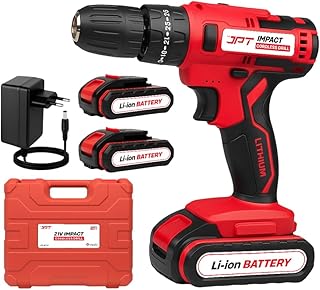


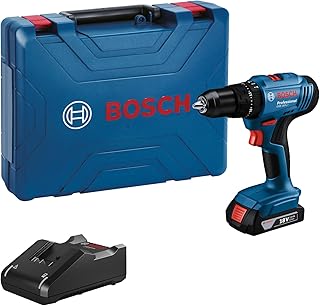

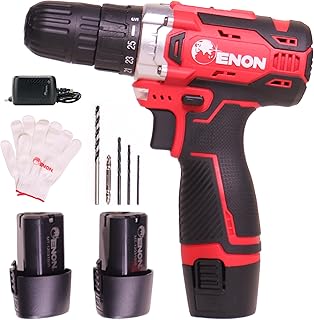


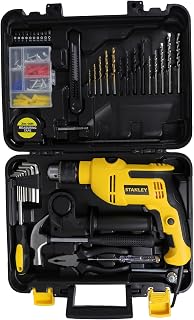


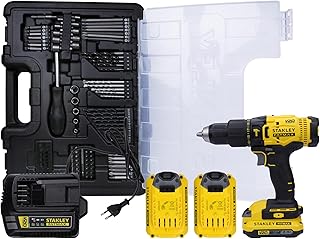


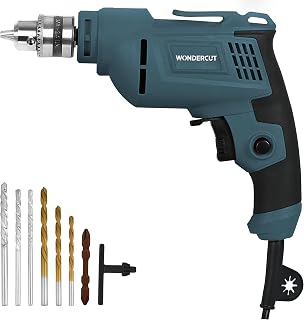


A drill is one of the most useful power tools for a home workshop, furniture assembly, electrical work, carpentry, maintenance, renovation and professional construction. However, “drill” covers several different tool types. A compact cordless drill driver, a corded impact drill and a high-torque professional combi drill can look similar while being designed for very different jobs.
For Indian buyers, the most important decision is therefore not simply choosing the model with the highest wattage, voltage or advertised torque. The better approach is to match the tool to the materials you will actually drill, the diameter of the holes you need, how frequently you will use it, whether portability matters, and whether you need an impact function for masonry.
Current professional ranges illustrate this difference clearly. Bosch Professional's India catalogue includes compact corded impact drills as well as 12V and 18V cordless drill/drivers and impact drill/drivers, with specifications varying substantially between models. For example, the Bosch GSB 450 is a 450 W corded impact drill, while models such as the GSB 183-LI and GSB 185-LI are 18V cordless tools with two-speed gearboxes and adjustable torque settings.
Understanding the category is more useful than comparing marketing terminology. Before selecting one of the best drills and drivers in India, identify whether you need drilling, screwdriving, impact drilling, or a combination of these functions.
A cordless drill driver is generally the most versatile choice for everyday screwdriving and drilling in wood, plastic and many metal applications. It uses a rechargeable battery and normally provides a variable-speed trigger, a clutch for controlling screwdriving force and a two-speed gearbox on many models.
This category is particularly useful when working around furniture, cabinets, shelves, electrical installations and general household repairs. Its main advantage is freedom from a power cable. The trade-off is that the tool depends on battery capacity, charging time and the availability of compatible batteries.
A cordless combi drill adds an impact-drilling mode to normal drilling and screwdriving. This makes it more versatile when you occasionally need to drill into masonry such as brick or similar building materials.
Do not assume that an impact drill driver is automatically the best choice for every masonry job. The suitability depends on the material, hole diameter, drilling frequency and manufacturer's stated application limits. For extensive work in hard concrete, a dedicated rotary hammer can be more appropriate than a conventional impact drill.
A corded impact drill draws power continuously from the mains and can be attractive when long operating periods are more important than portability. It avoids battery charging and battery replacement, which can matter in workshops and repetitive drilling applications.
For example, Bosch Professional currently lists corded impact drills in India ranging from compact models to higher-powered professional machines. Its GSB 450 is listed with a 450 W rated input, a 1.5–10 mm chuck capacity and an impact rate of up to 25,700 beats per minute.
An impact driver should not be confused with an impact drill. It is primarily designed for driving screws, bolts and fasteners with high rotational impact. Its chuck and bit system are optimized for driving rather than conventional drilling.
If your work consists mainly of long screws, structural fasteners or repeated fastening, an impact driver can be a better specialist tool. If you need to drill holes regularly as well, a drill driver or combi drill is normally more flexible.
A rotary hammer is designed for heavier masonry and concrete work and uses a different impact mechanism from a conventional impact drill. It is a specialist choice for demanding drilling in concrete, brick and masonry.
Buying a rotary hammer simply because it has a higher impact rating is unnecessary for light household work. The larger tool can add weight, cost and complexity when a conventional drill driver would be sufficient.
Voltage is most useful as a way to understand the tool's battery platform rather than as a standalone measure of performance. Common cordless categories include compact 12V tools and more powerful 18V platforms.
A higher voltage can support greater performance, but it can also mean a larger or heavier tool. For furniture assembly and light repairs, compact platforms can be easier to handle. For frequent drilling, heavier fasteners and professional workloads, an 18V platform can provide a more suitable balance of power and versatility.
Torque indicates the rotational force available from the drill driver. It is particularly relevant to screwdriving and demanding drilling applications.
Maximum torque alone should not determine your purchase. Look at soft and hard torque figures where provided, the number of clutch settings, the gearbox, speed range and the intended application. Bosch's GSB 18V-65, for example, is specified at 31/65/76 Nm for soft/hard/maximum torque and has 20 torque settings.
A homeowner who mainly installs small screws does not necessarily benefit from buying the highest-torque tool available. Excessive torque can make delicate fastening harder to control if the user does not use the clutch correctly.
No-load speed, expressed in revolutions per minute, describes how fast the chuck or spindle rotates without a load. Two-speed gearboxes are valuable because they allow the user to select a slower, higher-torque range or a faster range for drilling.
For example, the Bosch GSB 185-LI is specified with a first-gear speed range of 0–500 rpm and a second-gear range of 0–1,900 rpm.
Higher RPM is not automatically better. Drill-bit diameter, material and bit type determine the appropriate drilling speed. Large bits generally require slower speeds than small bits, while different materials have different cutting requirements.
The chuck determines the range of drill bits and accessories that the tool can accept. A 10 mm or 13 mm chuck can be appropriate depending on the intended workload.
A 13 mm keyless chuck is common on many professional cordless drills. The Bosch GSB 18V-65, for example, uses a 13 mm keyless chuck with a stated capacity of 1.5–13 mm.
A keyless chuck is convenient because bits can be changed without a chuck key. A keyed chuck can provide a firm traditional clamping method and is still found on many corded drills.
Brushless motors are increasingly common in cordless professional tools. They eliminate conventional motor brushes and can provide advantages in efficiency, heat management, compactness and long-term motor design.
For example, Bosch describes the GSB 185-LI as using a brushless motor and positions it for drilling and screwdriving in wood, metal and masonry.
A brushed drill is not automatically a poor purchase. For occasional household work, the overall tool specification, ergonomics, warranty terms, included accessories and price may matter more than the motor type alone.
Battery capacity is normally expressed in ampere-hours, or Ah. A higher Ah rating generally provides more stored energy, although actual runtime varies with the workload, material, bit size, torque demand and operating conditions.
Two batteries with the same voltage can therefore have different capacities and weights. A compact battery can reduce tool weight, while a larger battery can be preferable for longer periods of work.
For cordless tools, the battery ecosystem can be as important as the drill itself. Before buying, check whether the battery is included, whether a charger is included, how many batteries are supplied and which other tools use the same platform.
Bosch Professional states that its Professional 18V system allows compatible batteries and chargers to be used across the same voltage class.
This can influence long-term value for buyers who expect to add an angle grinder, impact driver, rotary tool, saw or other cordless equipment later.
A powerful drill cannot compensate for an unsuitable or worn-out bit. The bit must match both the material and the chuck.
Wood requires bits designed to cut cleanly without excessive splintering. Brad-point bits are useful for controlled holes in many woodworking applications, while larger diameter holes may call for specialized wood bits.
Metal drilling requires appropriate high-speed steel or other suitable bits, correct speed selection and adequate control. For larger holes, drilling a pilot hole first can make the operation easier and reduce unnecessary load on the tool.
Masonry bits are intended for brick, block and similar materials. If the drill has an impact function, that mode can be used where the manufacturer permits it.
Hard concrete can be a different proposition. If repeated concrete drilling is part of the job, compare rotary hammers rather than assuming every “impact” drill offers equivalent performance.
Use the correct bit profile and size for the fastener. A poorly matched bit can slip, damage the screw head and make the tool more difficult to control.
Choosing the correct power class is easier when the work is divided into realistic use cases.
A compact cordless drill driver is usually sufficient for shelves, curtain fixtures, furniture, small woodworking jobs, pilot holes and general screwdriving. Prioritize low weight, comfortable handling, a good clutch and a useful speed range.
Look for precise speed control, a dependable clutch, good balance and a chuck capable of accepting the bits you use. Brushless construction can be attractive for frequent use, but ergonomics remain important because carpentry often involves repetitive drilling and screwdriving.
A combi or impact drill can be useful when occasional masonry drilling is required. Check the manufacturer's specified masonry drilling capacity rather than relying on the word “impact” alone.
Professional users should place greater emphasis on durability, battery ecosystem, thermal performance, serviceability, spare parts, ergonomics, chuck quality and safety features. A tool that costs less initially may be less economical if its battery platform or service support does not suit the workload.
Specifications do not tell you everything about a drill. Weight distribution, handle shape, trigger design and balance can strongly affect usability.
The Bosch GSB 18V-65, for example, is listed with a 175 mm head length and dual working lights, demonstrating why dimensions and visibility features can matter alongside torque.
Power tools should be selected with control and safety in mind, not just output.
Bosch's GSB 18V-65, for example, includes switchable KickBack Control and a brushless motor according to its India specification page.
Wattage can be useful when comparing corded tools, but it does not provide a complete picture of cordless drill performance. Torque, gearbox design, motor efficiency, battery system, chuck quality and application ratings are also important.
An 18V tool may be excessive for occasional small screws and light household jobs. Conversely, a small compact drill may become frustrating for demanding professional applications. Match the tool to the workload.
A cordless drill advertised at an attractive price may become a less attractive purchase if the selected configuration excludes the battery or charger. Always compare the complete package rather than the bare-tool price.
High torque is useful only when it can be controlled. For cabinet hardware, small screws and soft materials, precise clutch adjustment and low-speed control can be more valuable than maximum output.
A heavy drill can become uncomfortable during overhead work or repetitive fastening. Compare the tool's weight in the configuration you intend to use.
A drill should never be evaluated independently from its accessories. A good drill with the wrong bit can produce poor results, overheating or unnecessary wear.
Impact drilling and rotary hammering are different technologies. If you frequently drill hard concrete, compare dedicated rotary hammer specifications instead of assuming that any combi drill can perform the same task.
Brand reputation can be useful, but the right model matters more than the logo on the housing. Bosch Professional, Makita, DeWalt, Black+Decker and other established power-tool brands offer products aimed at different users and workloads.
When comparing brands, examine the complete ecosystem rather than one drill specification. Consider battery availability, compatible tools, charger options, spare parts, service arrangements, ergonomics and the actual specification of the model available in India.
Bosch Professional's current Indian catalogue demonstrates the range within a single brand: its lineup includes compact corded impact drills, 12V cordless tools and multiple 18V drill and impact-drill platforms.
Makita and DeWalt are similarly worth considering when their battery ecosystems and specific models match your work. Black+Decker can also be relevant for buyers whose requirements are centered on general household maintenance rather than intensive professional workloads.
The initial drill price is only one part of the ownership equation for cordless equipment. A more useful comparison includes the cost and availability of additional batteries, chargers and compatible future tools.
Dust and debris can interfere with proper bit seating. Clean the chuck regularly and inspect it for signs of damage or unusual movement.
Do not use impact mode when ordinary drilling or screwdriving is appropriate. Likewise, do not overload a compact drill by repeatedly using it for work outside its intended application.
More pressure does not necessarily mean faster drilling. The correct bit, speed and technique allow the cutting edges to do the work while reducing unnecessary heat and load.
Follow the battery manufacturer's storage and charging instructions. Keep batteries clean, dry and protected from physical damage, and use the specified charger.
Dull or damaged bits increase drilling time and can increase the load placed on the drill. Replace unsuitable accessories instead of compensating by pushing harder.
A case or suitable dry storage location helps protect the drill from dust, moisture and accidental impact. Keep accessories organized so the correct bit is easy to select.
Mark the hole location, select an appropriate wood bit and use a suitable speed. For clean visible holes, support the workpiece and consider a backing board where appropriate to reduce breakout.
Secure the workpiece, use an appropriate metal bit and avoid excessive speed or pressure. For larger holes, use a pilot hole when appropriate. Cutting lubricant may be appropriate for certain metal-drilling applications, but follow the bit and tool manufacturer's instructions.
Use a masonry-rated bit and the correct operating mode. Check the manufacturer's maximum drilling diameter and material guidance. Dust management is particularly important during masonry work.
Start at a controlled speed, select an appropriate clutch setting and use the correct screwdriver bit. Excessive torque can strip screw heads or damage the workpiece.
For a typical Indian household, the best drill is usually not the most powerful professional machine. A versatile cordless drill driver or combi drill can be a practical choice if you need to install shelves, assemble furniture, repair fixtures, drill wood or metal and occasionally make holes in masonry.
Buyers should also consider the types of walls and materials encountered in their home. A tool selected mainly for furniture assembly has different requirements from one intended for repeated wall mounting, renovation or construction work.
Professional users should evaluate the tool as part of a working system. Battery compatibility, durability, serviceability, ergonomics, chuck reliability, motor design and sustained performance become more important as usage increases.
For example, Bosch Professional's 18V range includes models with substantially different torque and speed specifications. The GSB 183-LI is listed at 21/56/60 Nm soft/hard/maximum torque, while the GSB 18V-65 is listed at 31/65/76 Nm.
This illustrates why simply searching for “best 18V drill” is insufficient. Two tools sharing the same battery voltage can target different levels of performance and different users.
Customer reviews can reveal useful information, but they should be treated as one source of evidence rather than the sole basis for a purchase.
Look for recurring comments about battery runtime, chuck reliability, heat buildup, balance, trigger control, included accessories and actual suitability for the stated application. Pay particular attention to reviews that identify the exact model and package variant.
Be cautious about reviews that discuss delivery, packaging or unrelated accessories while providing little information about the drill's actual performance. Also check whether different variants have been grouped into the same listing, because specifications and included equipment can differ.
Before placing an order, compare the exact model number against the manufacturer's documentation where possible. Retail listings can contain abbreviated descriptions, incorrect images or specifications copied from another variant.
For a serious purchase, verify at least the voltage, torque, speed range, chuck capacity, weight, battery configuration, charger configuration and stated drilling capacities. Bosch Professional's India product pages provide an example of the level of technical information that can be checked, including torque, RPM, chuck type, weight and drilling applications.
The cheapest drill is not necessarily the best value, and the most expensive professional model is not necessarily the best purchase for a homeowner.
Think in terms of total usefulness:
The best choice depends on the work. For general household drilling and screwdriving, a compact cordless drill driver is often the most convenient category. If you regularly drill masonry as well, consider a combi drill. For heavier concrete work, compare rotary hammers instead.
Not in every situation. An 18V tool can provide a higher performance class, while a 12V tool can be easier to handle for lighter work. Choose according to the workload, desired size and battery ecosystem.
Choose cordless when portability and convenience matter. Choose corded when continuous mains-powered operation is more important and the work area has suitable electrical access.
A combi drill can be suitable for specified masonry applications, but it should not automatically be treated as a substitute for a rotary hammer. Check the manufacturer's drilling limits and the material you intend to work on.
There is no universal torque number. A homeowner doing light fastening may need considerably less torque than a professional working with large fasteners. Adjustable clutch settings and speed control can be more useful than maximum torque alone.
It can be worthwhile for frequent users because brushless motors are designed around efficiency, durability and reduced brush wear. For occasional users, however, the complete tool specification and price should still be considered.
A 13 mm chuck provides flexibility for many general-purpose drilling tasks, while smaller chuck systems can be perfectly adequate for compact tools and lighter applications. The correct choice depends on the bit sizes you actually use.
Not necessarily. One battery may be enough for occasional home use. Two batteries become more valuable for longer jobs because one can be used while the other is charging, assuming the charger and battery system support that workflow.
No. Package contents vary considerably. Always check whether the exact variant includes batteries, charger, case and drill or screwdriver bits before comparing prices.
Bosch Professional, Makita and DeWalt are established power-tool brands worth comparing for users seeking professional-oriented equipment. Black+Decker can also be relevant for many household and DIY applications. The exact model, package and intended workload should determine the final choice rather than brand name alone.
Inspect and clean the tool regularly, particularly after dusty work. Check the chuck, bits, battery contacts, cable on corded models and ventilation openings. Follow the manufacturer's maintenance instructions for the specific model.
The strongest buying decision is not necessarily the drill with the highest torque, highest RPM or largest battery. It is the tool whose capabilities align with the jobs you actually perform.
For everyday household tasks, prioritize compact size, controllable speed, a useful clutch and dependable battery operation. For mixed DIY work, an 18V combi drill can offer a broader range of applications. For demanding professional work, evaluate the complete tool ecosystem, motor technology, ergonomics, battery platform, safety systems and serviceability. For heavy concrete drilling, move beyond conventional drill drivers and compare rotary hammers.
Established brands such as Bosch Professional, Makita, DeWalt and Black+Decker provide different tool categories and performance levels, but the exact model specification remains the decisive factor. Always verify the current Indian variant, included accessories, battery configuration, manufacturer specifications, warranty terms and current retailer pricing before making the final purchase.