

♥ Wishlist
Compare 59 verified Safety Hand Grip products in India. Reviews, ratings, pros, cons and buying advice updated for October 2026.




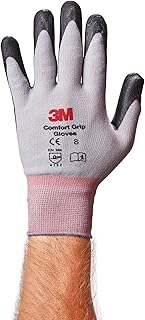

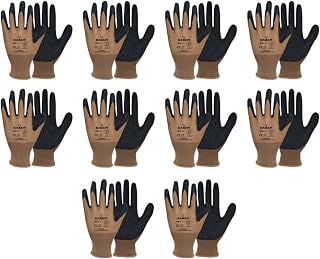






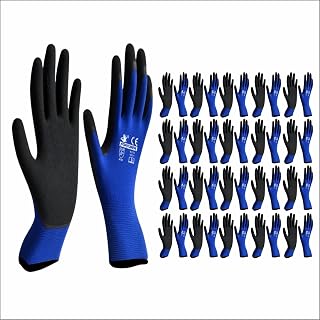


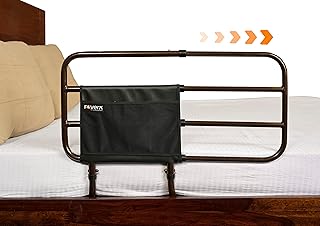


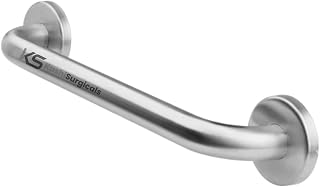


Choosing a safety hand grip product is not simply a matter of selecting the item with the highest rating or the lowest price. The right choice depends on the type of work, the surface being handled, the level of grip required, exposure to moisture or oils, wearing comfort, hand size, durability and the degree of protection expected. A product that works well for light household tasks may be unsuitable for construction, workshop, automotive, warehouse or industrial applications.
For buyers in India, local working conditions can make grip performance particularly important. Heat, humidity, dust, perspiration, rain and frequent washing can all affect how securely a glove, grip aid or hand-protection product performs. Before buying, compare the actual construction and intended use rather than relying only on general terms such as “heavy duty”, “anti-slip” or “industrial grade”.
Safety hand grip products are designed to help users maintain secure contact while handling tools, equipment, materials or objects. Depending on the product category, they may provide enhanced friction, cushioning, abrasion resistance, impact protection, better handling control or additional hand protection.
The term can cover several product styles, including work gloves with textured palms, anti-slip gloves, protective grip gloves, mechanic-style gloves, industrial handling gloves and grip-enhancing accessories. Because these products have different purposes, buyers should first identify the hazard and task before comparing individual models.
Grip and protection are related but they are not the same feature. A glove may provide excellent friction against a dry surface but offer limited protection against cuts, punctures, heat or chemicals. Conversely, a highly protective glove can sometimes reduce tactile sensitivity or dexterity.
The best product therefore balances the characteristics required for the job. If precise finger movement is important, excessive bulk may be counterproductive. If abrasion or rough materials are the primary concern, durability and palm reinforcement may matter more than maximum fingertip sensitivity.
Anti-slip gloves generally use a textured or coated palm and finger area to increase friction between the hand and the object being handled. They can be useful for general maintenance, packing, gardening, workshop tasks and material handling where secure handling is more important than extreme protection.
When comparing anti-slip models, examine whether the grip surface covers the areas that actually contact the object. Also consider whether the coating remains flexible when the fingers bend and whether the material is suitable for dry or wet handling.
Industrial handling gloves are intended for repeated handling of tools, components, boxes, equipment and other workplace materials. For this category, durability, seam construction, palm reinforcement and resistance to abrasion can be more important than a soft feel alone.
Buyers should match the glove to the specific working environment instead of assuming that every industrial glove provides the same level of protection.
Mechanic-style gloves typically focus on a combination of dexterity, grip and general hand protection. They can be useful when users need to repeatedly pick up tools, fasteners or mechanical components without completely sacrificing finger movement.
Look closely at the palm construction, finger articulation, cuff design and closure system. A secure wrist closure can help prevent the glove from shifting during repeated movement.
Where sharp edges are part of the task, cut resistance can become a primary consideration. These gloves may combine a cut-resistant textile or liner with a coated grip surface.
Cut resistance should never be inferred simply from a product description saying “protective” or “heavy duty”. If cut protection is important, check the manufacturer's stated protection level and the relevant testing or certification information for the exact model.
Wet and oily surfaces can behave very differently from dry surfaces. A glove that feels highly secure during dry handling may not provide the same control when exposed to water, grease or oil.
For these conditions, compare the palm coating and the manufacturer's stated application. Pay attention to whether the product is intended for wet handling, oily environments or general-purpose use. Do not assume that any textured palm is automatically suitable for oil-contaminated surfaces.
The palm is often the most important part of a grip-focused product. Texturing can create additional contact points between the hand and the object, but the ideal pattern depends on the application.
Common materials include synthetic textiles, nylon, polyester, cotton blends, leather and various polymer coatings. Each has different strengths and weaknesses.
A good grip product should fit securely without restricting normal hand movement. An oversized glove can move independently of the hand, reducing control. A glove that is too tight can create discomfort and may become unsuitable for prolonged use.
Always consult the manufacturer's size chart where one is provided. Measure the hand according to the brand's instructions rather than assuming that a particular letter size will be identical across manufacturers.
Dexterity is especially important for mechanics, technicians, installers, electricians and anyone who handles small components. Thick protective construction may increase durability but can make precision tasks more difficult.
When comparing products, consider whether the fingers can bend naturally, whether seams interfere with movement and whether the fingertips allow enough control for the intended task.
India's climate makes ventilation worth considering for users who wear gloves for extended periods. Breathable back-of-hand fabrics can improve comfort, while heavily coated constructions may retain more heat.
However, breathability should not automatically take priority over the protection required for the job. Select the combination appropriate to the environment and expected wearing duration.
The cuff affects both comfort and stability. Elastic cuffs can be convenient for quick use, while hook-and-loop closures can provide a more adjustable fit. Longer cuffs may offer additional coverage where the task requires it.
Protection claims should be evaluated using the manufacturer's stated specifications rather than marketing language. Depending on the product and intended application, relevant standards may address properties such as mechanical risks, cut resistance, thermal risks or chemical protection.
Buyers should check the exact standard, performance level and model-specific documentation when purchasing protective equipment for professional work. A generic statement such as “safety certified” is less useful than a clearly identified standard and corresponding performance information.
For workplace use, employers should also consider the applicable Indian regulations, occupational safety requirements and site-specific risk assessment. A consumer buying guide should not be treated as a substitute for a workplace safety program or professional risk assessment.
Dry surfaces are generally the easiest environment for maintaining friction, but dust and fine particles can still reduce control. For dry workshop or household tasks, a lightweight textured palm may be sufficient when no significant additional hazard exists.
Water can reduce friction and make smooth objects difficult to control. Look for products specifically intended for wet handling when that is a regular part of the task. Consider whether the glove remains flexible when wet and whether the palm texture continues to provide useful contact.
Oil and grease can present a different challenge from water. Products designed for general-purpose dry handling should not automatically be considered suitable for oily environments. Check application-specific manufacturer information before relying on a glove for oil-contaminated work.
Construction, maintenance and outdoor work can expose gloves to dust, sand and debris. In these situations, durable palm construction and easy cleaning may become more important than an extremely soft fabric.
Durability depends on the combination of material, stitching, coating, frequency of use and working environment. A product can be well made yet wear quickly if it is used for a task beyond its intended application.
Inspect the following specifications when comparing models:
Comfort is not merely a convenience. When protective equipment becomes uncomfortable, users may be tempted to remove it, loosen it or choose an unsuitable alternative. A well-fitting product can therefore support consistent use.
Consider internal seams, fabric softness, wrist pressure, ventilation, finger length and overall weight. If the product will be worn for several hours, comfort should be evaluated alongside grip and protection rather than treated as a secondary feature.
Customer ratings can help identify recurring advantages or complaints, but ratings do not replace specification checking. Different users may be purchasing the same product for completely different applications.
Price alone does not establish suitability. A less expensive product designed specifically for a light-duty task may be more appropriate than a premium product intended for a different environment.
Incorrect sizing can affect grip, comfort and dexterity. Always compare your hand measurements with the manufacturer's sizing information when available.
A strong grip coating does not automatically provide protection from every workplace hazard. Check each protection claim independently.
There is rarely a single hand-protection product that is ideal for every situation. A workshop technician, gardener, warehouse worker and construction worker may have substantially different requirements.
Incorrect washing or drying can affect fabric, coatings, elastic components and fit. Follow the care instructions provided for the specific product.
When reviewing a list of ten products, avoid treating the ranking as an absolute hierarchy. Instead, create a task-based comparison. The most suitable product for one buyer may not be the best option for another.
For buyers who want to compare established manufacturers, brands such as 3M, Stanley, Bosch, DEWALT, Knipex and Ansell can be useful starting points depending on the exact category and application. Brand recognition should not replace model-level evaluation: specifications, intended use, size availability and protection information can differ significantly between products from the same manufacturer.
For an independent buying decision, compare the exact model rather than assuming that every product carrying a familiar brand name provides the same level of safety or grip.
For occasional household repairs, furniture assembly, gardening and DIY projects, buyers often benefit from a comfortable general-purpose grip product that allows good finger movement. Extreme protection may be unnecessary for light-duty applications, but the product should still be appropriate for the actual task.
Construction environments can involve rough materials, dust, sharp edges and repetitive handling. Buyers should identify the specific hazards rather than selecting a general-purpose glove solely because it is labelled “construction”. Cut, abrasion, puncture and impact requirements should be considered independently where relevant.
Automotive tasks can require a mixture of grip, dexterity and resistance to dirt or abrasion. A mechanic-style glove may provide a useful balance, but users should verify whether the chosen model is appropriate for exposure to oils, chemicals, heat or other hazards encountered during the work.
Warehouse applications typically involve repeated lifting, moving, sorting and handling. Grip consistency, comfort, durability and dexterity can all affect usability during long shifts. Product selection should reflect the materials being handled and the environmental conditions.
Outdoor tasks can expose hands to soil, moisture, rough surfaces and plant material. Breathability, flexibility, palm durability and ease of cleaning may be particularly useful. For tasks involving thorns or sharp equipment, additional protection requirements should be assessed separately.
Product specifications can look similar across different listings, but small differences can affect suitability. Pay particular attention to material percentages, coating type, size range, protection rating, closure method, intended application and care instructions.
If a listing provides only broad marketing statements and lacks useful technical information, treat that as a reason to investigate further. For safety-related products, clear documentation is more valuable than a long list of promotional features.
Reviews are most useful when they describe a specific use case. Look for recurring comments about sizing, grip, stitching, coating durability, comfort and performance under the conditions relevant to your work.
Do not rely heavily on isolated comments. One buyer may describe a glove as “too thin” because they expected heavy-duty protection, while another may consider the same thickness ideal for precision work. The useful question is whether the reported experience matches your intended application.
The cheapest product is not necessarily the most economical choice if it wears out quickly or fails to provide the required functionality. Conversely, paying more for features that are irrelevant to your task does not necessarily improve value.
A practical comparison should consider purchase cost, expected frequency of use, durability, replaceability, comfort and suitability. For frequent professional use, a product that remains comfortable and functional throughout repeated work may offer better value than one selected purely for its initial price.
Different fabrics and coatings tolerate different cleaning methods. Some products may be washable while others have restrictions. Follow the care instructions supplied for the exact model.
Do not store damp hand-protection products for extended periods. Adequate drying can help reduce unpleasant odours and preserve material condition. Avoid high-temperature drying methods unless specifically permitted.
Regularly check the palm, fingers, seams, cuff and coating for damage. Tears, significant coating loss, exposed material or other deterioration can affect performance.
Once a protective product is visibly damaged or no longer provides the intended function, replacement should be considered. Continuing to use a compromised safety product can create unnecessary risk.
A general-purpose grip glove is not appropriate for every hazard. Consider a specialist product when the job involves significant cut exposure, chemical contact, high temperatures, electrical hazards, substantial impact risks or other conditions requiring defined protective performance.
For professional environments, the correct selection should begin with hazard identification and workplace requirements. Product marketing should come after the safety requirement, not before it.
There is no single best option for every buyer. The right product depends on whether your priority is general grip, material handling, dexterity, abrasion resistance, cut protection, wet handling or another specific requirement. Compare the exact specifications with your intended task before deciding.
No. Price does not by itself establish grip quality or safety performance. A suitable product should meet the requirements of the task and provide the appropriate combination of grip, protection, fit, durability and comfort.
Some may be suitable for particular construction tasks, but “anti-slip” alone does not indicate protection against cuts, punctures, impact or other hazards. Check the product's documented protection characteristics and match them to the work being performed.
There is no universally best material. Synthetic textiles can provide flexibility and general durability, leather can offer a substantial construction for certain applications, and coated palms can increase friction. The best choice depends on the working conditions and required protection.
Very important. A glove that is too large can shift during handling, while an overly tight glove can restrict movement and cause discomfort. Use the manufacturer's size chart whenever possible.
It is better not to assume this. Different jobs expose hands to different hazards. A general-purpose grip glove may be appropriate for routine handling but inadequate for specialist hazards such as significant cut, chemical, thermal or electrical exposure.
Check the manufacturer's stated application and technical specifications. Do not assume that a textured palm designed for dry handling will provide reliable performance in oily conditions.
Replacement depends on usage, material, working conditions and visible wear. Inspect the product regularly and replace it when damage or deterioration means it can no longer perform its intended function.
No. Reviews can reveal practical issues such as sizing and durability, but they should be considered alongside manufacturer specifications, protection information and the requirements of your particular task.
Confirm the exact model, size, material, protection specifications, intended use, seller information, current price and applicable return conditions. Product listings can change, so verify the details shown at the time of purchase.
A useful independent buying guide should distinguish between features that look impressive and features that genuinely affect suitability. For this category, the most meaningful comparison points include grip design, material construction, protection characteristics, fit, dexterity, comfort, durability, maintenance requirements and intended application.
Because product specifications, customer feedback, sellers and prices can change, buyers should verify the latest information before ordering. The purpose of this guide is to make that comparison easier, not to replace the manufacturer's technical documentation or professional workplace safety advice.
Start with the hazard rather than the brand. Once the required protection level is established, compare grip, material, fit, dexterity and durability. Then use customer feedback to identify recurring practical issues and check the latest product specifications before making the final decision.
For most buyers, the best value comes from choosing a product that is appropriately matched to the job rather than simply choosing the most expensive, most heavily marketed or highest-rated option. A careful comparison of specifications and intended use can help you find a safety hand grip product that offers the right balance of control, protection and everyday usability.