
♥ Wishlist
Compare 63 verified Garden And Outdoor products in India. Reviews, ratings, pros, cons and buying advice updated for October 2026.


![S R Outdoor Patio Chair Sets Garden Wicker Furniture Set for Outdoor Patio and Balcony || Powder Coated Frame| UV Protected Wicker [4 Chairs, 1 Table] (AS 37)](https://m.media-amazon.com/images/I/A16vOJeLL6L._AC_UL320_.jpg)


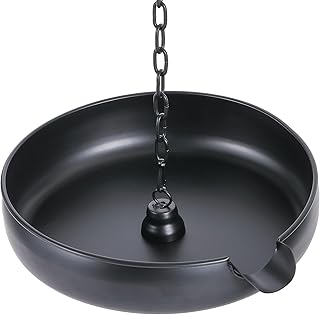
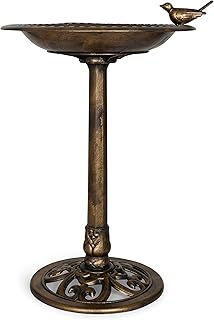





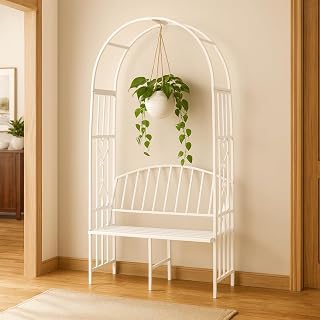




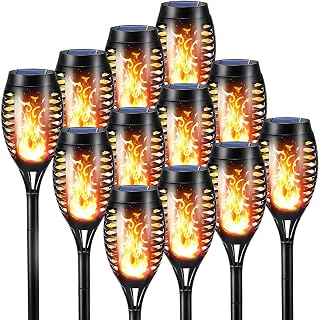
Choosing garden and outdoor products in India requires more than comparing ratings or selecting the most attractive option. Indian homes and outdoor spaces vary widely, from compact balconies and apartment terraces to large lawns, kitchen gardens, farmhouses and independent-house gardens. Climate also differs considerably between regions, so a product that works well in a dry northern environment may need different specifications for a humid coastal location or an area with heavy monsoon rainfall.
This buying guide is designed to help shoppers compare garden and outdoor equipment, furniture, tools, watering accessories, maintenance products and other useful outdoor essentials on practical criteria. Instead of relying only on product names or popularity, consider construction quality, dimensions, materials, power requirements, weather resistance, maintenance, replacement parts, storage and the type of outdoor space where the product will be used.
A good outdoor product should solve a specific problem reliably while being appropriate for Indian conditions. The right choice depends on intended use, frequency of use and available space. For example, someone maintaining a few balcony plants has very different requirements from a homeowner caring for a large lawn.
Hand tools are among the simplest garden purchases, but quality differences can become noticeable with repeated use. Secateurs, pruning shears, trowels, cultivators, weeders, spades and garden forks should be selected according to the plants and soil being handled.
For pruning equipment, examine blade material, cutting mechanism, handle ergonomics, locking arrangements and the maximum branch diameter specified by the manufacturer. Avoid assuming that a larger-looking tool is automatically better. Smaller tools can provide more control for balcony plants and ornamental shrubs, while heavier implements may be more appropriate for established outdoor beds.
Watering cans, hose systems, spray nozzles, sprinklers and drip irrigation accessories can make garden maintenance substantially easier. The appropriate system depends on the size of the growing area and whether plants are arranged in containers, beds, rows or lawn sections.
When comparing hoses, consider internal diameter, flexibility, connection compatibility, storage requirements and resistance to outdoor exposure. For irrigation fittings, compatibility between connectors, tubing and taps matters as much as the headline specifications.
Larger lawns can require equipment such as lawn mowers, trimmers, edgers, rakes and blowers. Before selecting powered equipment, determine the lawn area, grass type, terrain, frequency of mowing and available storage space.
Electric models may be convenient where a suitable power supply is accessible, whereas cordless equipment requires consideration of battery capacity, charging time, battery compatibility and the cost or availability of replacement batteries. Petrol-powered equipment has different maintenance, storage and operating requirements and should only be considered when its additional complexity is justified by the intended workload.
A hose should be evaluated as a complete system rather than by length alone. Longer hoses provide greater reach but can become heavier and more difficult to coil. Check the connection size, tap compatibility, nozzle design and storage method.
Sprayers are useful for watering and other garden applications, but their intended use should always be checked carefully. Never assume that a sprayer is suitable for a particular chemical or treatment unless the manufacturer explicitly states compatibility.
Outdoor chairs, tables, benches, swings and storage units must cope with conditions that indoor furniture does not. Material selection is particularly important.
Plastic is common in planters, chairs, storage boxes, watering equipment and garden accessories because it can be lightweight and relatively easy to clean. However, not all plastics perform identically outdoors. Exposure to intense sunlight can affect some materials over time, while thin construction can be more susceptible to cracking or deformation.
When comparing plastic products, look beyond colour and appearance. Check wall thickness where relevant, load capacity, UV-related manufacturer claims, drainage design and whether the product is intended for continuous outdoor use.
Stainless steel can be useful for tools and outdoor accessories where resistance to corrosion is important. The exact grade and construction still matter, and stainless steel should not automatically be treated as completely maintenance-free.
Powder-coated or otherwise protected metal can be suitable for garden furniture, frames, tool stands and other outdoor structures. Inspect joints, welds, coating coverage and areas where water could collect. Damage to a protective coating can create an entry point for corrosion.
Aluminium is valued for its relatively low weight and corrosion resistance. It can be particularly useful for outdoor furniture and portable equipment where frequent movement is expected. Compare tubing thickness, joints and overall structural design rather than selecting solely on the basis of material name.
Wooden garden products can look excellent in landscaped spaces, but moisture management is essential. Check how the product is finished, whether the manufacturer specifies outdoor treatment and how exposed surfaces should be maintained.
Apartment balconies require a different buying strategy from conventional gardens. Floor area is limited, water drainage may be restricted and excessive weight can become an important consideration.
For larger gardens, efficiency becomes increasingly important. Manually performing every task may be practical for a small patch but inefficient for a substantial lawn.
Start by estimating the usable lawn area and identifying the tasks performed most frequently. A mower should be matched to lawn size and terrain, while a trimmer may be useful for edges, corners and areas that a mower cannot easily reach. For gardens with substantial leaf or debris accumulation, a rake or suitable blower can simplify cleanup.
Do not overlook storage. Garden equipment that cannot be stored securely and protected from unnecessary moisture may deteriorate faster. Battery-powered products also need appropriate storage conditions according to the manufacturer's instructions.
The best power source depends on workload rather than marketing terminology.
For cordless garden equipment, battery voltage alone does not tell the whole story. Compare the complete system.
Runtime figures can vary significantly with workload, grass density, cutting conditions, temperature and operator technique. Treat manufacturer runtime claims as reference information rather than a guaranteed duration for every use case.
Ergonomics becomes increasingly important when a product will be used for extended periods. A tool can have excellent technical specifications and still be inconvenient if its grip, weight distribution or controls are poorly suited to the user.
Planters are often purchased primarily for appearance, but drainage, dimensions and material are more important for long-term usefulness. A container should provide sufficient drainage for the plant and growing medium being used.
Check the internal dimensions rather than relying only on the external size. A tall planter may have a different usable planting area from a wide, shallow container with similar overall volume.
For balcony gardens, also consider the combined weight of the planter, soil, water and mature plant. Follow applicable building, landlord or housing-society restrictions and seek appropriate professional advice where structural loading is a concern.
Storage boxes, cabinets, racks and sheds help protect garden accessories from unnecessary exposure and keep outdoor areas organised. Important considerations include internal capacity, opening mechanism, ventilation, water resistance, lock compatibility and floor clearance.
Water-resistant does not necessarily mean completely waterproof under every weather condition. If sensitive electrical equipment, tools or fabrics will be stored inside, review the manufacturer's specific protection claims and avoid placing the storage unit where rainwater can pool.
Brand reputation can be useful as a starting point, but it should not replace model-level comparison. Established names such as Bosch, BLACK+DECKER, Karcher, Gardena, Ugaoo and Nilkamal offer products across different categories, but individual models can have very different specifications.
For any brand, compare the exact model number, included accessories, dimensions, rated capacity, power source, material construction, warranty terms stated by the manufacturer and replacement-part considerations. Two products from the same brand may be designed for completely different workloads.
Ratings can provide useful buying signals, but a numerical score should not be the only selection criterion. Read reviews for recurring comments about construction, dimensions, assembly, durability, operation and whether the product performs as described.
Pay particular attention to reviews that explain how the product was used. A customer using a small garden tool occasionally has different expectations from someone using it every day on heavy soil.
A low purchase price can be attractive, but garden equipment often experiences repeated outdoor use. Examine construction, replacement requirements and expected workload before deciding that the cheapest model represents the best value.
Furniture, planters, storage boxes and equipment can appear smaller or larger in product photographs than they actually are. Always compare listed measurements with the available space.
Higher power is not automatically better. Excess capacity can increase weight, noise, energy consumption or complexity. Select equipment according to the actual task.
For tools with blades, batteries, filters, line, wheels or other wear components, investigate the replacement situation before purchase. A product can become inconvenient if an inexpensive consumable is difficult to obtain.
Before buying large outdoor equipment, identify where it will be stored when not in use. Proper storage can also help protect products from unnecessary sunlight, rain and dust.
The terms outdoor, weather-resistant, water-resistant and waterproof should not be treated as interchangeable. Read the manufacturer's stated protection level and intended conditions of use.
India's monsoon season can expose outdoor products to prolonged moisture, standing water, mud and increased humidity. Products used outdoors should be selected and maintained with these conditions in mind.
Strong sunlight and high temperatures can affect plastics, fabrics, rubber components, finishes and stored equipment. If an outdoor product will remain in direct sunlight for much of the day, check the manufacturer's guidance concerning UV exposure and temperature.
Where practical, use shaded storage for equipment when it is not required. Outdoor cushions and fabrics should be kept dry and stored appropriately when prolonged exposure is unnecessary.
Routine maintenance is one of the easiest ways to protect a garden-product investment. The exact procedure varies by product, so the manufacturer's instructions should always take priority.
The purchase price is only one part of the cost of owning garden equipment. For powered products, consider electricity or fuel requirements, batteries, chargers, consumables, replacement blades, filters, cutting line and other wear components where applicable.
For outdoor furniture, consider covers, cleaning products, protective treatments and potential replacement cushions. For irrigation products, account for connectors and replacement fittings. A slightly more expensive product can represent better value when its ongoing requirements are practical for the intended use, but that conclusion should be based on the actual specifications rather than assumptions about brand or price.
Online shopping makes it easy to compare numerous garden products, but product pages should be read carefully. Before making a purchase, verify the exact model and variant rather than relying on the main product image.
For Amazon affiliate buying research, Amazon can be useful for comparing product specifications, customer feedback, variants and current listings. However, shoppers should also understand that marketplace listings can change. Compare the exact seller listing, model number, included accessories and current terms at the time of purchase.
For expensive garden equipment, it can also be useful to compare the same model through other reputable Indian retailers or the manufacturer's official product information. This helps confirm specifications and reduces the risk of comparing products that merely look similar.
Start with the tasks you actually perform. A basic garden may need only pruning equipment, a hand trowel, cultivator, watering solution and suitable storage. Buying specialised equipment before establishing a genuine need can add unnecessary cost and storage problems.
For a larger garden, prioritise equipment according to frequency. Products used every week deserve greater attention to ergonomics and durability than tools used only once or twice a year. This approach can make it easier to distinguish essential purchases from optional conveniences.
When comparing the shortlisted products on this page, use a consistent framework rather than comparing unrelated specifications. The following criteria can help identify the strongest option for a particular requirement.
When two products have similar ratings and prices, focus on specifications that affect everyday use. For garden tools, these may include weight, grip, blade mechanism and material. For outdoor furniture, compare dimensions, frame construction, weight capacity and weather-care requirements. For powered equipment, compare runtime, cutting or working capacity, noise information where provided, controls, charging requirements and service considerations.
Avoid making a decision solely because one product has more features. Extra functions are useful only when they solve a real problem. A simpler product can be the better purchase if it performs the required task efficiently and is easier to maintain.
Garden equipment often has several variants that look almost identical. A difference in battery size, cutting width, capacity, included accessories or material can materially change the product's suitability. Always record the exact model number before comparing prices or reviews.
This is especially important when researching replacement batteries, chargers, blades, filters, connectors and other accessories. Compatibility should be confirmed from manufacturer documentation rather than assumed from similar product names.
There is no single best product for every Indian household. The right choice depends on the task, available space, climate, frequency of use, budget and desired level of maintenance. Compare the exact specifications and intended use before selecting a product.
A beginner can generally start with a practical selection of tools suited to the garden's actual needs, such as a trowel, cultivator, pruning tool, hand weeder and watering equipment. Larger tools should be added only when the size and type of garden justify them.
No. Price does not automatically establish quality or suitability. A premium product can be unnecessary for occasional light gardening, while a very inexpensive tool may be unsuitable for demanding or frequent work. Compare materials, construction, ergonomics, specifications and replacement considerations.
Compact, lightweight and easy-to-store products are generally more practical for balconies. Prioritise suitable planters, drainage, compact hand tools and efficient watering equipment while considering the available floor area and total load.
Choose based on the working area and usage pattern. Cordless equipment provides mobility but requires battery management. Corded equipment can provide continuous operation where suitable power is available but requires careful cable management and safe outdoor electrical practices.
It can be very important for products that remain outdoors. Sunlight, rain, humidity and dust can affect materials and finishes. Check the manufacturer's specific outdoor-use guidance instead of assuming that every product labelled for outdoor use is fully waterproof.
Read reviews for recurring, specific observations about construction, performance, dimensions, assembly, durability and usability. Compare those observations against the official specifications and consider whether reviewers used the product for a similar purpose.
A set can be convenient when it contains tools you will genuinely use. Compare the quality and specifications of individual components rather than assuming a larger number of pieces represents better value.
Check dimensions, structural material, weight capacity, corrosion or weather considerations, cushion and fabric requirements, assembly requirements and storage needs. Also consider whether the furniture can fit through the entrance and into the intended outdoor area.
Basic cleaning should generally be performed after use when dirt, sap, grass or moisture is present. More detailed inspection and maintenance should follow the manufacturer's instructions and the intensity of use.
No. Ratings are one input among several. Technical specifications, materials, dimensions, intended workload, compatibility, maintenance requirements and warranty terms should also be considered.
The best garden and outdoor purchase is the product that fits the actual environment and workload rather than the product with the longest feature list. Indian shoppers should give particular attention to climate exposure, monsoon conditions, storage, space constraints, electrical requirements and long-term maintenance.
Before purchasing, compare the exact model, specifications, dimensions, materials, included accessories and current customer feedback. For powered products, investigate batteries, chargers, consumables and replacement components. For outdoor furniture and storage, consider weather exposure and available space. For gardening tools, prioritise ergonomics and suitability for the type of work being performed.
Use the Top 10 shortlist as a starting point for comparison rather than treating any single product as universally superior. Check current specifications and retailer information at the time of purchase, compare today's prices, read relevant customer reviews and select the option that provides the best balance of performance, durability, convenience and value for your particular garden.