
♥ Wishlist
Compare 1 verified Mobile Accessories Online in India products in India. Reviews, ratings, pros, cons and buying advice updated for October 2026.
Our automated listing trackers are fetching updated catalog links. Please refresh shortly.
Choosing mobile accessories is no longer simply a matter of picking the cheapest charger, cable, case or stand. Modern smartphones can support fast charging, high-speed data transfer, wireless connectivity, magnetic mounting, advanced audio features and increasingly sophisticated camera systems. The right accessory should therefore match the technical capabilities of your phone rather than being selected solely on appearance or price.
For Indian buyers, compatibility is particularly important because smartphones sold in India can differ in charging standards, connector types, regional configurations and included accessories. Before buying any product, check your exact phone model, supported charging protocol, connector type, power requirements and the manufacturer's compatibility information.
A useful mobile-accessories setup usually combines protection, charging, connectivity and everyday convenience. Instead of buying every available accessory, prioritise products that solve a specific problem you regularly encounter.
The first filter should always be your precise smartphone model. A case designed for a similarly named phone may have different camera cut-outs, button positions or dimensions. Screen protectors can also vary between generations, even when two phones look almost identical.
For electronic accessories, compatibility can involve much more than the physical connector. A USB-C charger or cable may physically connect to a phone while still failing to deliver the charging speed, data performance or functionality you expect. Check the specifications of both devices before purchasing.
Fast charging is one of the most important considerations when buying smartphone accessories. A charger with a high wattage rating does not automatically mean every connected phone will charge at that maximum level. Actual charging performance depends on the phone, charger, cable and charging protocol.
Brands such as Anker, Belkin, UGREEN and Spigen offer accessories across different price and feature categories, but the specific model specification should always be checked rather than assuming that every product from a brand supports the same technology.
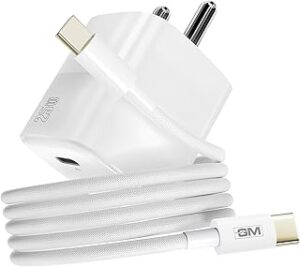
When comparing chargers, examine rated output, number of ports, supported protocols, plug design, size, heat management and safety protections. A compact multi-port charger may be more practical for travel, while a dedicated charger can make more sense for a single-device setup.
USB-C describes the connector shape, not necessarily the complete performance of a cable. Two USB-C cables can differ substantially in charging capability, data-transfer performance and supported features.
When shopping for a cable, check:
Power banks are often compared using their advertised capacity in mAh, but that figure alone does not tell you how much usable energy will reach your smartphone. Conversion losses, charging efficiency and the phone's charging behaviour affect real-world results.
Output power is equally important. If a power bank has multiple ports, determine whether its advertised output applies to one port or changes when several devices are connected simultaneously.
For frequent travel, weight and dimensions can be more important than choosing the largest available capacity. For emergency backup, a compact model may be preferable. For charging multiple devices, look for an appropriate combination of capacity, output and port selection.
Buyers should also inspect the manufacturer's safety information and product documentation. Avoid accessories with unclear specifications, suspiciously low pricing or unverifiable branding when the product contains a high-capacity lithium battery.
Thin cases generally prioritise pocketability, grip and minimal change to the phone's original dimensions. Heavy-duty cases typically add more material around vulnerable areas and can provide greater physical protection, although they may increase bulk.
The right choice depends on how you use the phone. A careful desk-based user may prefer a slim case, while someone who frequently works outdoors or carries the phone in demanding environments may value additional corner and frame protection.
Modern smartphones often have large camera modules that protrude from the rear surface. A case should provide appropriate clearance around the lenses without obstructing the camera view.
Be cautious with universal camera-lens accessories. Adding another layer over a camera can potentially affect image quality, reflections, glare or lens flare. If lens protection is important, compare the optical design and compatibility carefully.
Common case materials include TPU, polycarbonate, silicone-like materials, leather or synthetic leather and combinations of several materials. Material choice influences grip, flexibility, durability, appearance and resistance to everyday wear.
Cases from established accessory manufacturers such as Spigen, ESR, Caseology and Ringke are often available in multiple construction styles, but buyers should still evaluate the exact model rather than relying on brand reputation alone.
A screen protector should be evaluated according to the display design as well as the material. Tempered glass is popular because it provides a rigid protective layer, while flexible films can work well for displays with curved edges or situations where minimal thickness is preferred.
Important factors include edge coverage, case compatibility, transparency, touch responsiveness, fingerprint-sensor compatibility where applicable and installation quality.
One common mistake is choosing the largest possible protector without checking whether it works with the phone case. A case can press against an incorrectly sized protector and cause lifting around the edges.
Wireless charging provides convenience, particularly on a desk or bedside table, but it should not automatically be considered superior to wired charging. Charging speed, heat, alignment and phone compatibility can vary considerably.
Before purchasing a wireless charger, confirm that the smartphone supports wireless charging. Also consider whether a thick or magnetic case affects positioning or charging performance.
For a desk setup, an angled charging stand can be more convenient than a flat charging pad because notifications and video calls remain visible. For a bedside setup, a flat pad may be simpler and less intrusive.
Wireless earbuds should be evaluated according to use rather than specification count. A commuter may prioritise noise control and comfortable long-duration wear, whereas someone making frequent calls may care more about microphone performance and connection stability.
Popular brands in the Indian mobile-accessories market include Samsung, Apple, Sony, JBL, boAt, OnePlus and Nothing. However, brand familiarity should not replace comparison of the exact product specifications.
For drivers, a good car accessory should prioritise secure mounting and easy visibility without creating an unsafe distraction. A phone mount should remain stable on the intended surface and hold the device securely on roads with vibration.
Consider whether the mount attaches to the dashboard, windshield, air vent or another surface. Each mounting method has different advantages and limitations depending on the vehicle's interior design.
If combining a car mount with wireless charging, check phone alignment, charging compatibility and whether the holder can accommodate the phone with its protective case installed.
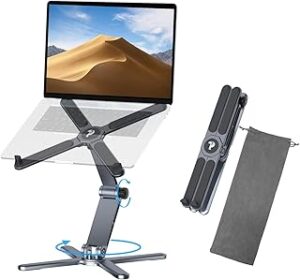
A practical desk setup does not need dozens of accessories. A reliable charging adapter, suitable cable, protective case, screen protector and adjustable phone stand can cover many everyday requirements.
Students may benefit from a compact power bank, durable cable and stand for online classes or reference material. Office users may prefer a multi-device charger, desktop stand and quality wireless earbuds for calls.
When travelling between home, college and work, reducing duplicate accessories can make the setup easier to carry. A multi-port charger may replace several single-purpose adapters if its output and compatibility meet your requirements.
Travel changes the priorities for mobile accessories. Compactness, durability and charging flexibility become more important when you are carrying everything in a small bag.
A larger wattage number is not automatically a better charger. The phone determines how much power it can accept, and compatibility between the charger, protocol and cable matters.
The USB-C connector is only one part of the specification. Data speeds, power delivery and supported features can differ between products.
Always confirm the exact phone model and generation. Camera placement, dimensions and button locations can differ between variants.
A charger cannot deliver its intended performance if the cable is unsuitable for the required power or functionality. Cable specifications should be considered together with the charger.
Price is useful for narrowing choices, but exceptionally cheap electronic accessories can have unclear specifications or limited documentation. Compare warranty information, manufacturer details, technical specifications and verified customer feedback before deciding.
More accessories do not necessarily create a better setup. Identify the problem first, then purchase the accessory that solves it. This approach can reduce unnecessary spending and clutter.
A simple comparison framework can make buying decisions considerably easier. Start with compatibility, then evaluate performance, construction, safety information, convenience and total value.
Customer ratings can be useful, but they should not be treated as a substitute for technical comparison. A product with many reviews provides more information than an isolated rating, but review quality still matters.
Read recent verified customer feedback for recurring issues such as cable failure, loose connectors, overheating concerns, poor fit, unreliable charging, weak hinges or inaccurate product dimensions. Pay particular attention to reviews describing the exact smartphone model or use case relevant to you.
Also distinguish between dissatisfaction caused by incorrect expectations and genuine product shortcomings. For example, a charger may be functioning normally while a buyer expected a charging speed that their smartphone does not support.
Established brands can make comparison easier because they often publish clearer specifications and maintain identifiable product ranges. Names such as Anker, Belkin, UGREEN, Spigen, ESR, Ringke, Samsung, Sony, JBL, Apple, OnePlus, Nothing and boAt cover different accessory categories and price segments.
Brand reputation should still be treated as one buying factor rather than proof that every product from a particular manufacturer is the best choice. Compare the exact model, specifications, compatibility information and current customer feedback.
The best-value mobile accessory is not necessarily the cheapest product. A slightly more expensive cable that matches the required charging specification and has suitable construction may offer better value than repeatedly replacing incompatible cables.
For protective accessories, consider how much the accessory protects an expensive device. For chargers and power banks, technical specifications and safety information deserve greater priority than cosmetic design. For stands and mounts, mechanical stability can be more important than the number of advertised features.
Avoid sharply bending cables near the connector. Disconnect by holding the plug rather than pulling the cable itself. Keep connectors clean and inspect them periodically for visible damage.
Keep chargers away from excessive moisture and avoid covering them in ways that could interfere with normal heat dissipation. Stop using an accessory if there is visible physical damage, unusual odour, damaged insulation or other signs of failure.
Store power banks in suitable conditions and protect them from severe heat, moisture and physical damage. Do not continue using a battery accessory that shows swelling or other obvious signs of battery failure.
Remove the case periodically to clean dust and debris that can accumulate between the case and phone. Fine particles can contribute to cosmetic wear over time.
Keep charging contacts clean and store the earbuds in their case when not in use. Follow the manufacturer's care instructions, particularly for models with water-resistance ratings.
A premium accessory can make sense when you use it frequently, require a specific technical capability or want a particular combination of design and convenience. Examples include a high-quality multi-port charger for several devices, a durable case for demanding daily use or a well-designed stand for an office workstation.
However, premium pricing should correspond to a genuine benefit. Paying more for decorative features that do not improve compatibility, protection, performance or convenience may provide poor value.
Budget products can be perfectly reasonable when the accessory performs a simple task and has clear specifications. A basic phone stand, cable organiser or straightforward protective case may not require premium construction.
The important distinction is between a genuinely simple accessory and an electronic product where poor construction or unclear specifications could create reliability or safety concerns. Chargers, power banks and other power-related accessories deserve more careful scrutiny.
The most useful accessories depend on how you use your phone. For most users, a suitable protective case, screen protector, reliable charging setup and appropriate cable are practical starting points. Travellers may benefit from a power bank, while drivers may prefer a secure phone mount.
Check the charger's output, supported charging protocols, number of ports, physical design, compatibility with your smartphone and manufacturer's safety information. Do not assume that the highest advertised wattage will automatically produce the fastest charging speed on your phone.
No. The important factors are suitability, specifications, construction and compatibility. A cable should support the power and data requirements for which you intend to use it.
Not necessarily. Higher capacity generally means more potential stored energy, but it can also mean greater size and weight. Compare capacity with output power, portability, charging efficiency, port configuration and your actual usage requirements.
They can be worthwhile for users who value convenient drop-and-charge operation and have compatible phones. Wired charging can remain preferable when maximum charging speed, efficiency or flexibility is the priority.
Depending on the accessory category and budget, buyers may compare products from brands such as Anker, Belkin, UGREEN, Spigen, ESR, Ringke, Samsung, Apple, Sony, JBL, OnePlus, Nothing and boAt. Always compare the exact product specifications and current customer feedback.
There is no universal replacement schedule. Replace an accessory when it becomes damaged, unreliable, incompatible with your devices or unsuitable for your requirements. Cables and protective cases may experience more physical wear than stationary accessories.
Start with the exact phone model and manufacturer's specifications. Then match the accessory's connector, dimensions, charging protocol, power requirements and other relevant features. This approach is more reliable than choosing an accessory solely from a generic compatibility label.
The best mobile accessories in India are the ones that provide the right combination of compatibility, reliability, performance and convenience for your particular smartphone and routine. There is no single accessory that is ideal for every buyer, and a high price or large specification number does not automatically make a product superior.
Before purchasing, compare the exact specifications, verify compatibility, inspect construction details and read verified customer reviews. For chargers, cables and power banks, give technical specifications and safety information particular attention. For cases, screen protectors and mounts, focus on fit, usability and protection.
As smartphone hardware and charging technologies continue to evolve, review the specifications again before replacing or expanding your accessory collection. A careful comparison can help you avoid incompatible purchases and build a mobile setup that is practical for everyday use in India.