

♥ Wishlist
Compare 380 verified Skincare Products Online in India products in India. Reviews, ratings, pros, cons and buying advice updated for October 2026.


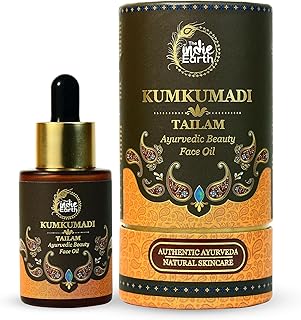

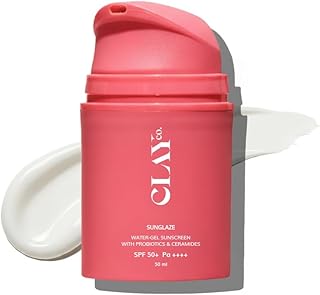







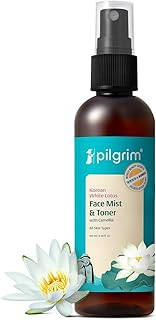


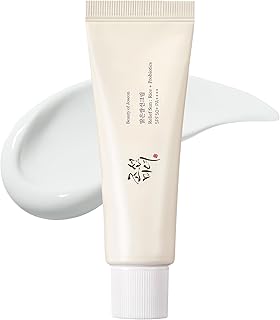


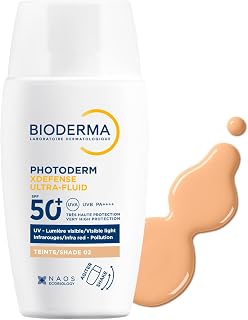







Choosing skincare in India is not simply a matter of picking the product with the highest rating or the most popular brand name. Skin type, climate, humidity, sun exposure, lifestyle, ingredient preferences, age, shaving habits and existing skincare routines can all affect which products make sense for an individual buyer. A cleanser that feels comfortable on one person's skin may feel drying to another, while a moisturiser that works well in a dry winter climate may feel too heavy during a humid summer.
This buying guide is designed to make the comparison process easier. Rather than treating skincare as a single category, it explains what to look for in cleansers, moisturisers, sunscreens, serums, exfoliating products and other everyday skincare essentials. It also explains how to compare ingredients, formulations, packaging, product size, usage instructions and overall value before buying in India.
Brands commonly considered by Indian skincare shoppers include Cetaphil, CeraVe, Neutrogena, Minimalist, The Derma Co, Plum, Dot & Key, Mamaearth, Lakmé, Nivea, Simple, Re'equil, Bioderma and The Ordinary. Brand familiarity can be useful when narrowing choices, but the brand name alone should not determine a purchase. Always compare the exact product, formulation, ingredients, size, suitability for your skin and current seller information.
A good skincare purchase should solve a clearly defined need without unnecessarily complicating your routine. The best product for one person may be completely unsuitable for another, so a useful comparison should begin with the purpose of the product rather than its marketing claims.
Skin type is one of the most useful starting points when comparing skincare. It does not have to be treated as a permanent label. Skin can behave differently depending on weather, hormonal changes, cleansing habits, medication, age and environmental conditions.
Oily skin tends to produce more sebum and may develop shine relatively quickly, particularly around the forehead, nose and chin. Shoppers with oily skin often prefer lightweight cleansers, moisturisers and sunscreens that do not leave an excessively heavy finish.
However, oily skin does not automatically mean that the skin should be stripped of all surface oils. Over-cleansing or repeatedly using harsh products can leave the skin uncomfortable and may encourage an unnecessarily aggressive routine. Look for a balance between effective cleansing and comfortable daily use.
Dry skin can feel tight, rough or uncomfortable, especially after cleansing or during dry weather. A moisturising routine generally benefits from products designed to support the skin barrier and reduce moisture loss.
Creamier cleansers and richer moisturisers may be more comfortable for dry skin than strongly foaming or highly astringent formulations. Ingredients such as ceramides, glycerin and hyaluronic acid are commonly encountered in moisturising products, although the complete formulation matters more than any single ingredient.
Combination skin may be oily in some areas and relatively dry in others. This makes texture particularly important. A lightweight moisturiser can sometimes provide a useful middle ground, while different amounts of product can be used on different areas if necessary.
People who experience relatively little oiliness or dryness may have more flexibility when choosing skincare. Even so, a simple routine based around cleansing, moisturising and sun protection can be easier to maintain than a routine containing numerous unnecessary products.
For skin that reacts easily, simplicity becomes especially important. Avoid assuming that a product labelled natural, herbal, premium or dermatologist-inspired will automatically be suitable. Fragrance, essential oils, strong exfoliating ingredients and combinations of multiple active ingredients may not be comfortable for every individual.
When trying a new product, introducing one new item at a time makes it easier to identify the cause if irritation occurs. Persistent redness, swelling, burning, severe itching or other concerning reactions should be discussed with a qualified healthcare professional rather than managed by repeatedly changing cosmetic products.
A cleanser removes sweat, excess oil, dirt, sunscreen residue and other material from the skin. The ideal cleanser should leave the face feeling clean without creating excessive tightness or discomfort.
Foaming cleansers can appeal to people who prefer a fresh, lightweight cleansing experience, while cream or lotion-style cleansers may be more comfortable for people who experience dryness. Gel cleansers are another common choice, particularly for shoppers who prefer a lighter texture.
When comparing cleansers, consider surfactants, fragrance, texture, rinseability, bottle size and how frequently you intend to use the product. A cleanser is a rinse-off product, so paying attention to the overall formulation and how your skin responds is more useful than selecting it solely because of one advertised ingredient.
Moisturiser helps support comfortable, hydrated-feeling skin and can be an important part of nearly every basic skincare routine. The most suitable texture depends heavily on skin type and climate.
Common moisturising ingredients include glycerin, hyaluronic acid, ceramides, squalane and various emollients. Do not assume that a longer ingredient list means a better moisturiser. A simpler formulation that you can comfortably use consistently can be a better practical choice.
Sunscreen is one of the most important categories to evaluate carefully in an Indian skincare routine because everyday outdoor exposure can be significant. When comparing sunscreens, pay attention to the stated SPF, broad-spectrum or UVA protection information, formulation, water-resistance claims where relevant, finish and intended application.
SPF primarily communicates protection against UVB-related effects, while UVA protection is also important. Look for product labelling that provides meaningful information about both aspects of protection rather than focusing only on a large SPF number.
Texture matters because sunscreen generally needs to be applied consistently and adequately. A formula that feels comfortable enough for regular use may be more practical than one that looks attractive on paper but is unpleasant to wear.
Popular sunscreen options in India include products from brands such as Neutrogena, Re'equil, Minimalist, The Derma Co, Lakmé, Bioderma and other established skincare companies. Compare the exact formulation and current packaging rather than assuming that every sunscreen from the same brand performs or feels the same.
Vitamin C products are widely used as targeted skincare products. However, shoppers should distinguish between the ingredient itself and the formulation used to deliver it.
Vitamin C products can differ in the form of vitamin C used, concentration, supporting ingredients, packaging and stability considerations. Some formulations use L-ascorbic acid, while others use different vitamin C derivatives. Higher concentration does not automatically mean a better choice for every user.
Packaging can also matter. Some vitamin C formulations require careful storage and may change appearance as they age. Follow the manufacturer's storage and usage instructions and avoid purchasing products whose condition or authenticity is uncertain.
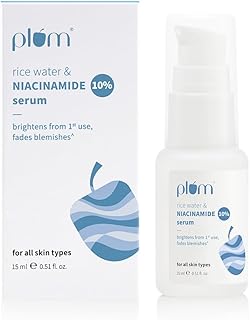
Niacinamide is another widely used skincare ingredient found in serums and other leave-on formulations. Products vary in concentration and supporting ingredients, so shoppers should compare the complete formulation instead of assuming that the highest advertised percentage is automatically the best.
For beginners, using one targeted active product at a time can make a routine easier to evaluate. Combining multiple serums immediately can make it difficult to determine which product is responsible for irritation or unwanted changes.
Hyaluronic acid is commonly used in hydrating skincare formulations. It is found in serums, moisturisers and other products designed to support a hydrated skin feel.
The product's overall formula matters. A hyaluronic acid serum is not necessarily a replacement for moisturiser, particularly when the routine requires something that helps reduce moisture loss. Compare the serum with the moisturiser you already use rather than automatically adding another layer to your routine.
Exfoliating products are designed to help remove or loosen dead skin cells. They may use physical particles or chemical exfoliating ingredients such as alpha hydroxy acids and beta hydroxy acids.
Exfoliation is an area where more is not necessarily better. Frequent use of strong exfoliating products, particularly when combined with several other active ingredients, can be uncomfortable for some users. Read the product instructions carefully and introduce stronger products gradually.
Retinoid-related products are often discussed in the context of advanced skincare routines. They are not simply another moisturising ingredient and can require greater care than basic cosmetic products.
Different retinoid ingredients have different characteristics, and some products may be regulated differently depending on the formulation and market. Buyers should follow the label and professional guidance where appropriate rather than treating retinoid products as interchangeable cosmetics.
India encompasses a wide range of climates, from humid coastal regions to dry inland areas and cooler northern winters. A single skincare routine may therefore need adjustments across seasons.
In hot and humid conditions, lightweight textures can feel more comfortable. Gel moisturisers, lightweight lotions and non-heavy sunscreen formulations may be preferred by some users. In dry weather, richer moisturising products can become more appealing.
Humidity should not be confused with hydration. Skin can feel oily while still becoming uncomfortable or dehydrated. Choosing products based solely on whether the face looks shiny can result in an unbalanced routine.
People living in cities may also encounter dust, pollution and frequent temperature changes. These factors reinforce the importance of a practical cleansing and moisturising routine rather than encouraging the use of increasingly harsh products.
Glycerin is a common humectant used in moisturising formulations. It attracts and helps retain water, making it a frequent ingredient in creams, lotions, cleansers and serums.
Ceramides are lipids naturally associated with the skin barrier and are commonly used in moisturising formulations designed for barrier support. Products from brands such as CeraVe and Cetaphil frequently appear in discussions of barrier-focused skincare, although individual formulations should always be checked.
Hyaluronic acid is commonly included in hydrating products. It can be useful for people who prefer lightweight hydration, but the rest of the formula and the user's overall moisturising routine remain important.
Niacinamide is a popular form of vitamin B3 used in many modern skincare formulations. It appears in products from numerous brands, including Minimalist, The Ordinary and The Derma Co.
Salicylic acid is a beta hydroxy acid commonly found in products aimed at oily or blemish-prone skin. Its concentration, formulation and frequency of use should be considered before adding it to a routine.
Alpha hydroxy acids such as glycolic acid and lactic acid are used in exfoliating skincare. These ingredients can make a routine more active, so combining several exfoliating products without considering total exposure is an avoidable buying mistake.
Fragrance is primarily a sensory consideration rather than proof that a product is better or worse. People who are sensitive to fragranced cosmetics may prefer fragrance-free formulations, while others may prioritise the sensory experience. Check the actual ingredient list instead of relying only on front-label claims.
When shopping through Amazon India or another established retailer, do more than compare star ratings. A meaningful product comparison should examine the complete listing and the product itself.
A high average rating can be useful as an initial filter, but it does not tell you whether a product is right for your skin. A sunscreen may receive praise for its finish while another shopper dislikes the same finish. A moisturiser may feel excellent on dry skin but too rich for someone with oily skin.
Read reviews for patterns rather than isolated comments. Repeated feedback about texture, packaging, fragrance, pilling, leakage or changes in formulation can provide useful commercial information. At the same time, individual reviews should not be treated as controlled product testing or medical evidence.
Ingredient lists can look intimidating, but shoppers do not need to memorise every cosmetic ingredient. Start by identifying the ingredients relevant to your specific purchasing decision.
A basic routine can be surprisingly simple. For many people, the essential categories are cleanser, moisturiser and sunscreen, with targeted products added only when there is a clear reason to use them.
There is no requirement to own a large collection of serums simply because they are popular. A smaller routine can be easier to maintain and easier to troubleshoot.
Budget-conscious shoppers should prioritise function over the number of products. Spending money on several specialised serums while neglecting basic cleansing, moisturising or sun protection can create an unnecessarily expensive routine.
Price is not a direct measure of skincare suitability. Premium products may offer particular textures, packaging, brand positioning or formulation preferences, while lower-priced products can sometimes cover the same basic category effectively.
When comparing two products at different price points, identify exactly what the additional cost provides. If the premium product has a texture you strongly prefer and therefore makes daily use easier, that may have practical value. If the formulas address the same basic need and you have no meaningful preference, the cheaper option may make more sense.
Viral status can make a product easier to discover, but popularity does not guarantee suitability. Social media content may also focus heavily on before-and-after imagery, promotional messaging or individual experiences.
Adding vitamin C, exfoliating acids, retinoids, niacinamide and other active products simultaneously can make a routine unnecessarily complicated. It also makes it harder to identify the source of irritation.
Natural and botanical ingredients can be desirable to some shoppers, but natural does not automatically mean gentle or suitable for every skin type. Evaluate the complete formulation and your own tolerance.
Texture is not merely a cosmetic detail. If a sunscreen feels greasy or a moisturiser feels uncomfortable, you may be less likely to use it consistently. Practical usability should therefore be part of product comparison.
Using larger quantities than recommended does not necessarily improve a cosmetic product's performance and may increase the chance of discomfort with certain active ingredients. Follow the product directions.
Large skincare brands frequently sell multiple cleansers, moisturisers and serums with similar packaging. Check the complete product name, size and formulation before adding an item to your cart.
Authenticity is an important consideration when purchasing cosmetics online. Unusually low prices, unclear seller information, inconsistent packaging images or incomplete product information deserve additional scrutiny.
Packaging can affect convenience and product handling. Pumps and tubes can make it easier to dispense controlled amounts, while jars may require more direct contact with the product.
For travel, compact packaging can be more convenient than large containers. For products sensitive to air or light, packaging design may also be relevant. When comparing two otherwise similar products, packaging can therefore be a legitimate deciding factor.
The cheapest bottle is not necessarily the cheapest product to use. Compare the net quantity, expected application amount and how frequently you need to replace the product.
For example, a larger moisturiser may appear more expensive but cost less per millilitre. Conversely, a low-priced serum used in small quantities may provide a different value proposition. Comparing unit cost provides a more useful picture than comparing the displayed selling price alone.
During hot and humid periods, many shoppers prefer lightweight, quick-absorbing textures. Gel moisturisers and lighter sunscreen formulations can be appealing, particularly for people who dislike a heavy finish.
During dry or cooler conditions, skin can feel tighter and less comfortable. A richer moisturiser or more barrier-focused routine may be preferable depending on individual skin needs.
Humidity and sweat can increase the desire for lightweight products, but cleansing should remain gentle. Switching repeatedly between harsh cleansers and heavy products simply because the weather changes can make a routine harder to manage.
Most fundamental skincare categories are not inherently divided by gender. Skin type, individual concerns, shaving habits, product preferences and environmental exposure are generally more useful considerations.
Men who shave regularly may want to pay additional attention to cleanser texture, moisturisation and post-shaving comfort. Women may use makeup or additional cosmetic products that influence cleansing requirements. The best routine should therefore be based on individual needs rather than gender-specific marketing.
Someone starting a routine does not need ten products on the first day. Begin with a manageable foundation and introduce targeted products gradually.
Teenage skincare should generally prioritise simplicity. Cleansing, moisturising and appropriate sun protection can form a practical foundation. Products marketed specifically for acne, oil control or exfoliation should be chosen carefully, especially when multiple active ingredients are involved.
Persistent or severe acne, painful lesions, scarring or significant skin irritation may require professional assessment rather than continued experimentation with over-the-counter cosmetic products.
As skin changes with age, many people place greater emphasis on moisturisation, comfort and sun protection. Product selection should still be driven by individual skin type and tolerance.
Anti-ageing marketing can be broad, so buyers should examine the specific ingredients and claims rather than assuming that a high price or luxury packaging indicates superior results.
More products can create more complexity without necessarily improving a routine. Consider holding off on another purchase when your existing routine is comfortable, affordable and meeting your needs.
Adding another active product simply because it is trending can make it harder to determine what is helping or causing discomfort. A deliberate routine is usually easier to evaluate than a constantly changing collection of products.
A useful top-10 comparison should not treat every product as though it serves the same purpose. Instead, compare each product within its category and identify who is most likely to prefer it.
The Indian skincare market includes both international and Indian brands. The following names can be useful starting points for comparison, but they should not be interpreted as an automatic ranking.
Customer reviews can add useful real-world information, but they should be interpreted carefully. Focus on recurring observations that are relevant to your buying decision.
Reviews should complement, not replace, ingredient and product information. Individual customer experiences are not a substitute for professional medical advice or controlled testing.
A practical routine should be easy to remember and realistic for your daily schedule. If a routine requires many steps every morning and evening, the chances of skipping products can increase.
Consider categorising products by function. First establish the essentials, then add targeted products only where they address a specific need. This approach also makes it easier to evaluate whether each purchase is earning a place in your routine.
There is no universal timeline that applies to every skincare product or every concern. Some products provide an immediate sensory difference, such as a moisturiser making skin feel more comfortable, while other skincare goals may require more consistent use over time.
Avoid changing several products simultaneously if you are trying to understand how your routine affects your skin. Consistency and careful observation provide more useful information than frequently switching between trending products.
When introducing a new leave-on skincare product, especially one containing active ingredients, consider testing a small area first according to the manufacturer's directions. Introducing one new product at a time can make it easier to identify the source of a reaction.
Patch testing is not a guarantee that a product will never cause a reaction elsewhere. Stop using a product if you experience significant discomfort or a concerning reaction and seek appropriate professional advice when necessary.
Follow the storage instructions printed on the product. Some formulations are sensitive to heat, direct sunlight or prolonged exposure to air.
For travel within India, packaging size and durability can matter as much as formulation. Smaller containers may be easier to carry, while pump or tube packaging can reduce mess in a toiletry bag.
If travelling to a hot destination, consider how the product should be stored according to its instructions. Sunscreen is particularly important to include when the itinerary involves substantial outdoor exposure.
There is no single best skincare product for everyone. The right choice depends on whether you need a cleanser, moisturiser, sunscreen, serum or another category, as well as your skin type, budget, preferred texture and ingredient preferences.
A simple routine generally starts with a suitable cleanser, moisturiser and sunscreen. Targeted products can be added later when there is a clear reason to use them.
People with oily skin often prefer lightweight, non-heavy textures and cleansers that remove excess oil without leaving the skin excessively tight. Individual tolerance remains important.
Dry skin often benefits from a routine focused on gentle cleansing and moisturisation. Creams or richer lotions may feel more comfortable than very lightweight formulations, particularly during dry weather.
Not necessarily. Compare formulation, ingredients, quantity, usability and your actual skincare needs rather than assuming price indicates quality.
India has a large and diverse skincare market with many domestic brands offering cleansers, moisturisers, sunscreens and targeted products. The best approach is to evaluate each formulation individually rather than judging products solely by country of origin.
You can encounter routines that combine several serums, but more products are not automatically better. Combining multiple active ingredients can make a routine complicated and may increase the likelihood of irritation for some users. Introduce products gradually and follow their instructions.
No. A higher percentage does not automatically make a product more suitable. Formulation, concentration, frequency of use, skin tolerance and the purpose of the product all matter.
Compare the stated SPF, UVA-related protection information, formulation, finish, intended use and your willingness to apply it consistently. Check the current product label and follow the manufacturer's application instructions.
Purchase through established sellers, check product and packaging information, compare the listing with current manufacturer information and be cautious about unusually low prices or unclear seller details.
There is no need to change a suitable routine simply because a new product becomes popular. If your current products are comfortable, practical and appropriate for your needs, consistency may be more useful than constant experimentation.
It depends on the product. Basic products such as cleansers and moisturisers are commonly incorporated into daily routines, while some active treatments have specific frequency instructions. Always follow the individual product directions.
Not automatically. Natural and botanical ingredients can still cause irritation or allergic reactions. Evaluate the full formulation and your personal tolerance.
Stop using a product that causes significant irritation and avoid repeatedly applying it to see whether the reaction improves. If symptoms are severe, persistent or concerning, seek advice from an appropriate healthcare professional.
The strongest way to choose among the best skincare products in India is to match the product to a clearly defined need rather than following popularity alone. Start with your skin type, identify the category you actually require, compare formulations and ingredients, evaluate texture and packaging, check quantity and current seller information, and then consider customer feedback as one part of the decision.
For most shoppers, a well-planned basic routine is more useful than an oversized collection of products. A cleanser that is comfortable to use, a moisturiser appropriate for your skin and a suitable sunscreen can provide a practical foundation. Targeted products such as vitamin C, niacinamide, exfoliating acids or other actives can then be considered individually when there is a clear reason to add them.
Because product formulations, packaging, sellers and marketplace listings can change, always verify the latest information before purchasing. Compare today's specifications, quantity, ingredients, seller details and customer feedback rather than relying solely on an older recommendation or a brand's general reputation.
This guide is intended for independent consumer research and product comparison. Cosmetic skincare products are not a substitute for professional diagnosis or treatment of medical skin conditions. When persistent, severe or unusual skin problems occur, qualified medical advice is more appropriate than repeatedly changing cosmetic products.