

♥ Wishlist
Compare 85 verified Electronics Online in India products in India. Reviews, ratings, pros, cons and buying advice updated for October 2026.

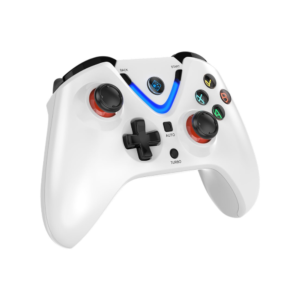
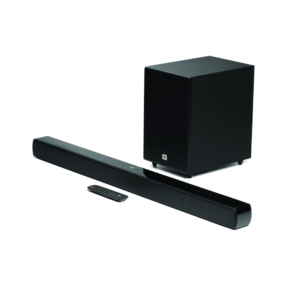
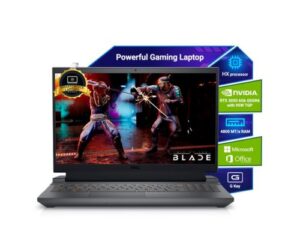


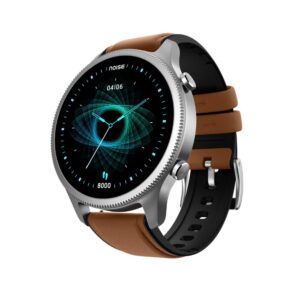





Choosing the right electronics product in India is less about finding the product with the longest feature list and more about matching specifications, reliability, compatibility, after-sales considerations and price to the way you actually intend to use the device. Electronics can vary significantly in performance, connectivity, build quality and useful features even when two products appear similar on paper.
This buying guide is designed for Indian shoppers comparing electronics across different categories. Whether you are looking for a television, smartphone, laptop, tablet, audio device, smart home product, computer accessory or another everyday electronic appliance, the same fundamental buying principles apply: identify your requirements first, compare meaningful specifications, check compatibility, understand warranty terms and consider long-term usability rather than focusing only on the initial purchase price.
A good electronics product should deliver the functions you need consistently without forcing you to pay for features that have little practical value. The best choice for one buyer may be completely unsuitable for another because usage patterns, budgets, living arrangements and technical requirements differ.
The phrase “best electronics products” covers a very broad market. Instead of treating every electronic device as interchangeable, shoppers should compare products within their actual category and intended use.
When comparing televisions, screen size is only one part of the decision. Resolution, panel technology, refresh rate, HDR support, brightness, viewing angles, sound output, operating system and available HDMI connections can all influence the experience.
Brands such as Samsung, LG, Sony, TCL and Xiaomi offer televisions across different specifications and price segments. Buyers should compare the actual model specifications rather than assuming that every television from a particular brand has the same panel, processor, software or connectivity features.
For a living-room television, measure the available wall or cabinet space before deciding on screen size. Also consider viewing distance, room brightness and whether the television will primarily be used for streaming, broadcast content, gaming or a mixture of activities.
A smartphone should be evaluated as a complete system rather than by camera megapixels or processor branding alone. Important factors include display quality, processor performance, RAM, storage, battery capacity, charging technology, camera performance, software support, network compatibility and physical design.
Apple, Samsung, OnePlus, Xiaomi, Motorola, Google and other established manufacturers compete across different segments of the Indian smartphone market. When comparing models, pay attention to the exact variant because storage, memory, connectivity and other specifications can differ between versions.
Buyers who keep their phones for several years should give particular attention to software support, storage capacity, battery replacement considerations and availability of compatible accessories. A slightly more expensive model can sometimes be the more practical choice if it remains suitable for your needs for longer.
Laptop shopping requires careful attention to the relationship between processor, memory, storage, graphics capability, display and portability. A thin laptop designed for office work does not necessarily provide the same performance as a machine intended for gaming, video production or engineering applications.
Popular manufacturers in India include Lenovo, HP, Dell, ASUS, Acer, Apple and others. Compare the specific configuration rather than relying solely on the manufacturer's brand reputation.
Audio products are another area where specifications do not tell the whole story. Battery life, codec support, microphone quality, noise cancellation, comfort, controls, water resistance and device compatibility can matter as much as basic audio specifications.
Brands including Sony, Bose, JBL, Sennheiser, boAt, Samsung and Apple offer products with different approaches to sound, design and ecosystem integration. Buyers should identify whether they need earbuds for commuting, headphones for work, a gaming headset or speakers for a room before comparing models.
For true wireless earbuds, consider fit and comfort carefully. A technically impressive pair is not a good purchase if the ear tips do not provide a secure seal. For work calls, microphone quality and background-noise handling may be more important than maximum audio volume.
The processor affects how quickly an electronic device can perform computational tasks, but processor names alone should not determine a purchase. Different generations, architectures and power limits can produce substantially different real-world behaviour.
For everyday electronics, look at the type of workload the device is designed to handle. Basic browsing, document editing and media consumption generally require different performance characteristics from demanding video editing, 3D rendering or gaming.
RAM helps a device handle multiple active applications and workloads. More RAM is not automatically better if the rest of the system cannot take advantage of it, but insufficient memory can make multitasking frustrating.
When comparing laptops, tablets and smartphones, consider both your current usage and how long you expect to keep the device. Buyers who routinely multitask should avoid choosing a configuration based solely on the lowest available memory option.
Storage determines how much software, media, documents, photographs and other data can be kept locally. A device with fast storage can feel responsive, but capacity still matters.
For smartphones and tablets without expandable storage, selecting an adequate capacity at purchase is especially important. For laptops, also check whether the storage can be upgraded and whether additional storage requires replacing an existing drive.
Display specifications should be interpreted according to the use case. Resolution affects image detail, while panel technology, brightness, contrast, colour characteristics, refresh rate and response behaviour influence the overall viewing experience.
For office work, text clarity and comfortable brightness may be more valuable than an extremely high refresh rate. For gaming, refresh rate and response characteristics can become more relevant. For photo and video work, colour accuracy and consistency deserve closer attention.
Battery capacity is only one factor in battery life. Screen brightness, processor efficiency, software optimisation, network usage and application behaviour can all affect actual endurance.
Fast charging can be convenient, but buyers should also consider charger compatibility, included accessories, charging standards and the long-term condition of the battery. If a product requires a separate charger, include that cost when comparing alternatives.
Connectivity is frequently overlooked until the device reaches home. Before purchasing, identify every peripheral or service you expect to connect.
Do not assume that a port supports every possible function. For example, two USB-C ports can look identical while supporting different charging, data-transfer or display capabilities. Always check the specification for the exact model.
A useful comparison should separate essential specifications from marketing features. Start by creating a short list of requirements and then compare each candidate against those requirements.
Write down the primary task the device must perform. A laptop used for accounting and web browsing has different priorities from a laptop used for gaming. Similarly, a television for casual streaming has different requirements from one intended for console gaming.
Establish a maximum budget, but leave room for necessary accessories. A laptop may require a mouse, external storage or a protective sleeve. A television may eventually be paired with a soundbar. A smartphone may require a case and compatible charging equipment.
Separate must-have features from nice-to-have features. This prevents attractive but unnecessary specifications from pushing the purchase beyond the intended budget.
Model names can be confusing because manufacturers sometimes sell multiple configurations with similar names. Check the precise model number, storage capacity, RAM, display configuration, processor and included accessories.
Before purchasing expensive electronics, understand the manufacturer's warranty terms and the process for obtaining authorised service in India. Warranty duration, exclusions, registration requirements and coverage conditions can vary by product.
Prices, bundles, availability and promotional offers can change frequently. Compare the current price from trusted retailers and verify that the seller, product variant and warranty information match what you intend to purchase.
A premium processor, extremely high refresh rate or oversized storage capacity may sound attractive, but those features are not automatically worth paying more for. The correct specification is the one that meets your workload comfortably.
Brand reputation can help narrow the field, but the actual model remains important. Different product lines from the same manufacturer can target completely different users.
Software can influence the useful life of smartphones, tablets, televisions, laptops and smart devices. Check the manufacturer's current support policy and the software situation for the exact model before buying.
A product can meet every technical requirement and still be unsuitable for the available space. Measure desks, cabinets, wall spaces and storage areas before purchasing larger electronics.
Some devices require additional accessories to deliver their intended functionality. Chargers, cables, adapters, stands, cases, mounts, keyboards and storage devices can add to the total cost.
Some features can depend on software, network compatibility, service availability or regional configuration. Indian buyers should verify that the functions they want are supported for the Indian market and their particular device variant.
Material choice should be evaluated in relation to how the product will be used. Metal construction may provide a premium feel, while high-quality plastics can offer lower weight and practical durability. Glass surfaces can look attractive but may require more careful handling.
For portable electronics, inspect hinge construction, button placement, connector reinforcement, surface finish and overall rigidity. For larger home electronics, examine stand stability, mounting requirements and ventilation space.
Good build quality is not simply about appearance. Consider whether frequently handled parts are likely to tolerate normal use, whether ventilation is adequate and whether the design makes cleaning and maintenance practical.
The purchase price is only one component of the cost of owning electronics. Electricity consumption, accessories, maintenance and eventual replacement can influence the overall value.
For televisions, monitors, refrigerators and other appliances that may operate for many hours, energy efficiency deserves particular attention. Compare the relevant energy information for the exact model rather than relying on general assumptions about a brand.
For rechargeable devices, battery health is another long-term consideration. Avoid unnecessarily exposing batteries to extreme heat and follow the manufacturer's charging and storage guidance.
For expensive electronics, service accessibility should form part of the buying decision. Check whether authorised service facilities are available in your area and understand how warranty claims are handled.
Before buying, review the manufacturer's official warranty conditions, including what is covered, what is excluded and whether accidental damage is treated separately. Keep the invoice and relevant purchase documentation in a safe place.
For products that are difficult or expensive to transport, such as large televisions or appliances, ask whether the manufacturer provides the applicable type of service for your location. Do not assume that service conditions are identical across all product categories.
The newest model is not always the best-value purchase. An older generation can remain attractive when it offers the required features at a lower cost. However, buyers should check how much longer the product is expected to receive software support and whether newer connectivity standards or hardware capabilities are important.
When comparing generations, focus on meaningful improvements rather than the number attached to the model name. A newer device may provide a better processor but only a minor change in other areas, while another generation may introduce a significant display, battery, connectivity or software improvement.
Customer reviews can reveal practical issues that are difficult to identify from a specification sheet, but they should be interpreted carefully. Look for repeated patterns rather than relying on a single extremely positive or negative comment.
Reviews are most useful when combined with official specifications and warranty information. They should inform a decision rather than replace technical verification.
Students generally benefit from electronics that balance portability, battery life, reliability and affordability. A laptop or tablet should be selected according to the applications required for coursework. Keyboard quality, webcam performance and connectivity can also matter for online classes and collaborative work.
Remote workers should prioritise a comfortable display, reliable connectivity, webcam and microphone performance, sufficient memory and storage, and ergonomic accessories. If video meetings are frequent, audio and camera quality may be more valuable than purely cosmetic features.
Gaming hardware should be evaluated as a complete performance system. Graphics hardware, processor capability, cooling, display refresh rate, response characteristics and memory all contribute to the experience. A high-refresh-rate display has limited value if the system cannot produce an appropriate level of performance for the games being played.
Content creation can place heavier demands on processing, graphics, memory and storage. Display quality becomes particularly important for users working with photographs or video. Fast external storage and reliable connectivity can also improve workflow efficiency.
Family electronics should be simple to operate and compatible with the devices already used in the household. Consider parental controls where appropriate, multiple-user support, durability, ease of cleaning and straightforward connectivity.
Ease of use can be more important than advanced specifications. Large readable displays, clear interfaces, physical controls where appropriate, dependable audio and straightforward setup can make a product significantly easier to use.
Smart home products can become frustrating when devices from different ecosystems do not work together as expected. Before buying smart lights, plugs, cameras, speakers or displays, check which application and ecosystem they require.
Also consider Wi-Fi requirements, account requirements, cloud-dependent functions, privacy settings and what happens if the internet connection is unavailable. A smart device should still provide a clear and practical benefit compared with a conventional alternative.
Internet-connected electronics can collect or process information, so privacy should be part of the buying decision. Smart cameras, microphones, televisions, phones and other connected devices may have different privacy controls.
When comparing an electronics deal, do not consider price in isolation. Verify the seller, product condition, model number and applicable warranty before completing a purchase.
For marketplace purchases, check whether the listing identifies the product as new, refurbished or otherwise differently conditioned. Read the current return and replacement terms applicable to the specific listing because marketplace policies and seller conditions can change.
For expensive products, retain the invoice and packaging information where appropriate until you are satisfied that the product is functioning correctly.
Value and low price are not synonymous. A cheaper device may become less economical if it has inadequate storage, poor compatibility or features that do not meet your requirements.
A better strategy is to identify the specification level that comfortably satisfies your needs and then compare products around that level. If two devices perform the required tasks equally well, factors such as build quality, software support, service accessibility and connectivity can become useful tie-breakers.
There is no single best electronics product for every buyer. The right choice depends on the category, intended use, budget, required specifications and preferred features. Start by defining what you need the product to do and then compare suitable models against those requirements.
Look beyond headline specifications. Compare build quality, software support, connectivity, warranty, service availability, included accessories, dimensions and recurring customer feedback. If performance is already sufficient for your needs, these practical differences can be more important.
No. A higher price can provide additional performance or features, but those improvements may not be useful for every buyer. The better purchase is generally the model that provides enough capability for your requirements without paying significantly more for features you will rarely use.
Use both. Specifications establish what the product is designed to provide, while credible customer feedback can reveal practical concerns. Neither should be treated as a complete substitute for the other.
Online prices can change because of promotions, seller changes, stock conditions and product launches. Always check the current listing, exact variant, seller information, warranty terms and final purchase conditions before buying.
Established brands such as Samsung, LG, Sony, Apple, Lenovo, HP, Dell, ASUS, Acer, Xiaomi, OnePlus, Motorola, JBL, Bose, Philips and boAt can all be considered depending on the product category. Brand alone should not determine the purchase; compare the exact model and its specifications.
Check the exact model number, technical specifications, seller, product condition, warranty, included accessories, return or replacement terms, dimensions and compatibility. For high-value products, compare information from multiple reliable sources before placing an order.
Electronics markets change quickly because manufacturers introduce new models, replace older configurations and adjust pricing. A useful buying guide should therefore be reviewed regularly, particularly when it contains model-specific recommendations or current-market information.
The strongest electronics purchase is not necessarily the newest, cheapest or most powerful option. It is the product that fits your actual requirements, works with your existing setup, provides sufficient performance and remains practical throughout its useful life.
Before buying, compare the exact specifications, verify compatibility, review warranty information and consider the total cost of ownership. Pay attention to the details that affect everyday use—display quality, battery behaviour, ports, software, comfort, storage, dimensions and service support—rather than being guided solely by marketing terminology.
For the August 2026 buying cycle, shoppers should also verify current model availability, specifications and pricing at the time of purchase because electronics line-ups and retailer offers can change. Use this guide as a framework for comparing products, then confirm the latest information for the specific model you are considering.