

♥ Wishlist
Compare 58 verified Power Tools Online in India products in India. Reviews, ratings, pros, cons and buying advice updated for October 2026.
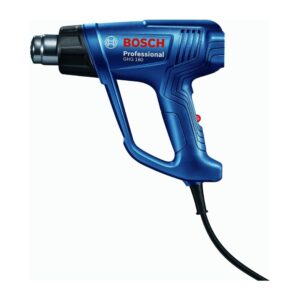
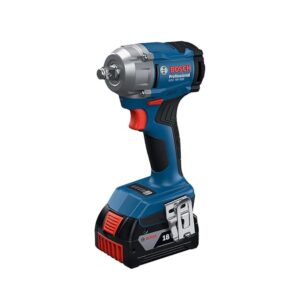
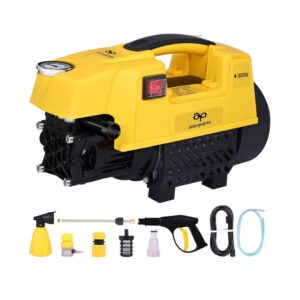
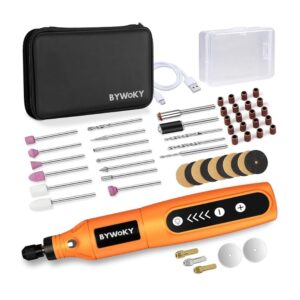
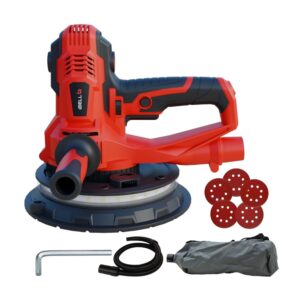


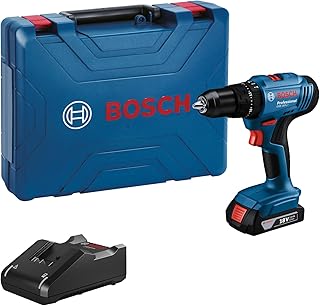


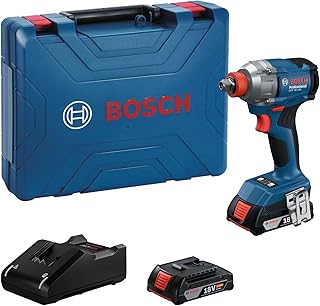


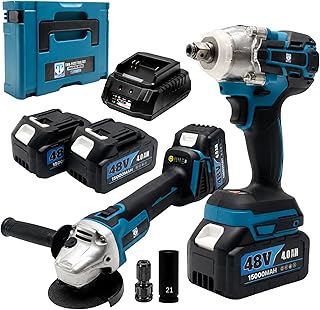

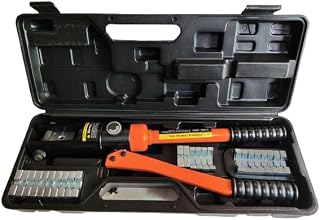

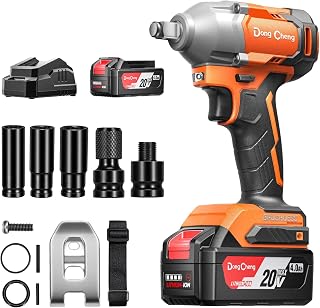

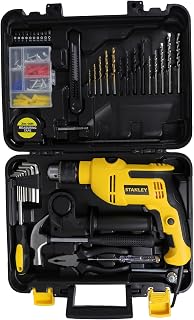


Choosing a power tool is not simply a matter of selecting the model with the highest wattage, the largest battery, or the most impressive feature list. The right choice depends on the work you expect to perform, how frequently you will use the tool, the materials involved, available power sources, ergonomics, accessories, replacement parts, and the long-term cost of ownership.
For Indian buyers, it is particularly useful to compare the complete specification rather than relying on a product title or a star rating alone. A drill intended for occasional household work has very different requirements from a hammer drill used regularly on masonry, while a compact cordless driver may be more convenient for furniture assembly than a larger corded machine.
Brands such as Bosch, Makita, DeWalt, BLACK+DECKER, Stanley, HiKOKI, Ryobi and INGCO offer different combinations of performance, portability and tool ecosystems. The best option is therefore the one whose specifications and operating characteristics match your actual workload.
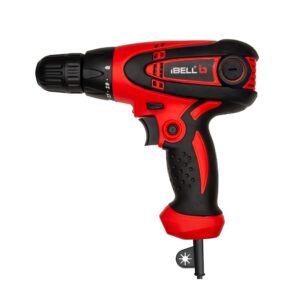
A cordless drill driver is one of the most versatile tools for home maintenance, furniture assembly, woodworking and general DIY work. Important specifications include battery voltage, torque settings, chuck capacity, speed ranges and overall weight.
Do not assume that a higher voltage automatically makes one drill better for every user. A compact lower-voltage drill may be easier to control for light-duty work, while a higher-performance platform can make more sense for demanding applications.
Hammer drills add a percussion action that can help when drilling into masonry. They are useful for common household installation tasks such as mounting fixtures, shelves and brackets, provided the tool and drill bit are appropriate for the material.
For frequent heavy-duty concrete drilling, buyers should distinguish between a conventional hammer drill and a rotary hammer. A rotary hammer generally uses a different impact mechanism and is designed around more demanding masonry and concrete applications.
Rotary hammers are intended for applications where ordinary drilling performance is insufficient. Depending on the model, operating modes may include rotary drilling, hammer drilling and chiselling.
When comparing rotary hammers, pay attention to impact energy, chuck or bit system, operating modes, vibration management, tool weight and the intended drilling diameter range. A higher impact rating is not automatically an advantage if the tool is unnecessarily large for your requirements.
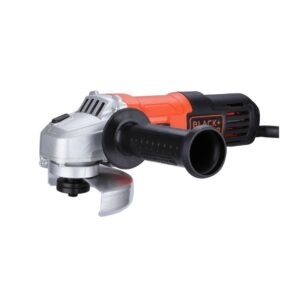
Angle grinders are commonly used for cutting, grinding, deburring and surface preparation when the correct disc and guard are fitted. Disc diameter, motor power, no-load speed, spindle configuration and safety features are important comparison points.
The disc must always be compatible with the grinder and the intended application. Cutting discs, grinding wheels, flap discs and specialised accessories are not interchangeable simply because they fit physically.
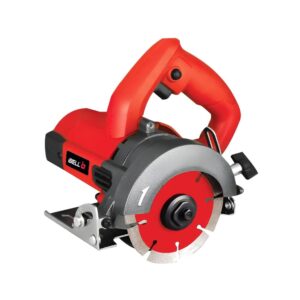
Circular saws are useful for straight cuts in suitable wood-based materials and other compatible applications. Blade diameter and maximum cutting depth are among the first specifications to compare, but they are not the only ones.
A jigsaw is useful for curved cuts, cut-outs and shorter straight cuts in appropriate materials. Key considerations include variable-speed control, orbital action, blade-change design, cutting depth and base stability.
Blade selection has a major effect on results. A fine-tooth blade can be appropriate when a cleaner cut is required, whereas a coarser blade can be better suited to faster material removal.
Random orbital sanders, sheet sanders and other sanding machines serve different purposes. Buyers should compare sanding pad size, orbit characteristics, speed control, dust collection, grip comfort and replacement abrasive availability.
A good dust-collection arrangement can make a substantial practical difference during extended sanding. However, no dust-collection system should be treated as a substitute for appropriate respiratory and workshop safety practices.
Impact drivers are particularly useful for driving compatible fasteners where a conventional drill driver may struggle. Impact wrenches are designed for substantially different fastening applications and are commonly selected for automotive, mechanical and heavy-duty work.
Torque figures should be interpreted carefully because manufacturers may specify different torque measurements and operating conditions. Compare specifications using the manufacturer's stated test methodology whenever possible instead of treating two numbers as directly equivalent.
The corded-versus-cordless decision is one of the most important buying choices. Corded tools can be practical for extended work where continuous mains power is available. Cordless tools provide greater mobility and eliminate the need to manage a power cable during operation.
For buyers building a collection, the battery ecosystem can be more important than the price of an individual cordless tool. Before purchasing a bare tool, determine whether the required battery and charger are already owned or need to be purchased separately.
Battery voltage and battery capacity describe different characteristics. Voltage is related to the electrical platform and tool design, while capacity is commonly expressed in ampere-hours. A larger ampere-hour rating can provide more stored energy within the same battery platform, but it can also increase weight and physical size.
Runtime depends on many variables, including load, material, operating speed, tool efficiency, battery condition, temperature and working technique. Consequently, a stated battery capacity should not be interpreted as a guaranteed number of hours of use.
Motor design is another important comparison factor. Brushless motors are widely used in modern cordless tools and can offer efficiency and reduced maintenance requirements compared with traditional brushed designs. However, the presence of a brushless motor alone does not determine whether a particular tool is suitable for a specific job.
For corded tools, motor power can be useful when comparing broadly similar products, but wattage should not be treated as a complete performance measurement. Gear reduction, transmission design, cooling, control electronics, accessory selection and the intended application all influence real-world suitability.
Torque is especially relevant to drills, drivers and fastening tools. A tool with multiple torque settings can provide better control when driving screws into materials where over-tightening could cause damage.
Speed is normally expressed in revolutions per minute, while impact tools may also specify impacts per minute. More speed is not always better. Different materials, drill-bit types and accessories often require different operating speeds.
The chuck or tool-holder system determines which accessories can be used. Standard keyless chucks are common on many drill drivers, while specialised systems such as SDS-type holders are used on many rotary hammers.
Accessory compatibility deserves attention before purchase because an inexpensive tool can become less economical if suitable drill bits, blades, discs or other consumables are difficult to source.
A capable drill paired with an inappropriate bit can produce poor results, excessive heat, premature wear or unsafe operation. Select bits according to the material and application, and follow the accessory manufacturer's instructions.
Housing material, gearbox construction, chuck quality, switches, adjustment mechanisms and battery connections can all influence how a tool performs over time. Buyers should look beyond exterior styling and examine the details that affect daily use.
Metal gearing can be desirable for demanding applications, but the presence of a metal component does not automatically establish overall durability. A tool should be assessed as a complete system, including its thermal management, bearings, transmission, electronics and intended duty cycle.
Weight and balance become increasingly important during prolonged use. A powerful tool that is difficult to control can be less practical than a slightly less powerful model that fits the user's hand and working position better.
Power tools can cause serious injury when incorrectly selected, operated or maintained. Safety should therefore be considered alongside performance and price.
Always read the manufacturer's operating instructions before using an unfamiliar power tool. Never remove a guard or safety mechanism simply to make an accessory fit or to change the way the tool operates.
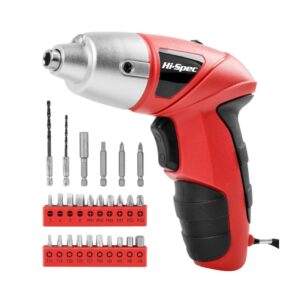
A compact drill driver or screwdriver-oriented cordless tool is often more practical than a heavy-duty machine for furniture assembly. Controlled torque, a comfortable grip and a suitable selection of screwdriver bits can be more important than maximum power.
For shelves, brackets, curtain fittings and similar installation work, determine the wall material before selecting the tool. Masonry, brick, concrete and other substrates can require different drilling methods and accessories.
Woodworking may involve several tools rather than one universal machine. A drill driver, jigsaw, circular saw and sander can cover different stages of common projects, while a more advanced workshop may require additional specialised equipment.
Automotive applications may benefit from impact drivers or impact wrenches depending on the fastener and required torque. Buyers should compare drive size, torque specifications, battery platform and compatible sockets rather than assuming that every impact tool is suitable for vehicle work.
Frequent masonry work places greater demands on impact mechanisms, accessories, vibration management and tool durability. Buyers should choose a tool according to the required drilling diameter, material and frequency of use rather than selecting a household drill simply because it has a high advertised wattage.
Brand comparison is useful, but brand reputation should not replace model-level research. Product ranges can include compact DIY tools, professional equipment and specialised machines with very different specifications.
When two products appear similar, use a consistent comparison method rather than focusing on one headline specification.
Motor wattage is only one part of the performance picture. A tool should be matched to its intended application, accessory and duty cycle.
A cordless tool advertised as a bare unit may not include a battery or charger. Always establish the complete setup required for operation before comparing prices.
More powerful equipment can be unnecessary for occasional household tasks. Excess size and weight can reduce control and make simple jobs more tiring.
A tool without readily suitable bits, blades, discs or sockets can be inconvenient to own. Accessory availability should form part of the purchasing decision.
Ratings can provide useful feedback, but they should be interpreted alongside the review volume, review dates, exact model number, application and specifications. A product receiving positive feedback for light DIY work may not be appropriate for continuous professional use.
Power tools may be sold in different kits, configurations and regional versions. Verify the exact model number and included equipment before making a purchase.
The purchase price is only the starting point for comparing power tools. The long-term cost can include batteries, chargers, drill bits, blades, discs, sanding sheets, sockets, cases and other consumables.
A cheaper tool can become less economical if it requires proprietary accessories that are difficult to source, while a higher initial investment can make more sense when a battery platform supports several tools that the buyer already intends to use.
Warranty and service provisions can vary by manufacturer, model, seller and product category. Buyers should verify the current terms that apply to the exact product before purchasing rather than assuming that every tool from the same brand has identical coverage.
For a frequently used professional tool, service accessibility and replacement-part availability can be particularly important. For occasional DIY use, these considerations may have less influence on the purchase decision, but they should not be ignored for expensive equipment.
For corded equipment, confirm that the tool's electrical specifications are suitable for the intended Indian power supply before purchase. Do not rely solely on a product image or generic listing description when electrical compatibility is important.
Extension cords should be appropriately rated for the tool and application. Poor-quality or undersized extension equipment can introduce unnecessary electrical and safety risks. Keep cables away from cutting paths, hot surfaces, water and moving components.
Correct maintenance can help preserve performance and identify problems before they become more serious. Maintenance requirements vary by tool, so the manufacturer's instructions should take priority.
Cordless battery care deserves separate attention. Follow the battery and charger manufacturer's storage instructions, particularly regarding temperature, charging and long-term storage.
Do not use batteries that are visibly damaged, swollen, leaking or otherwise abnormal. Keep battery contacts protected from metal objects that could cause unintended electrical contact.
Someone who performs occasional repairs does not necessarily need a complete professional workshop. Start with tools that solve the tasks you actually perform, then expand the collection as new requirements arise.
A practical DIY setup might begin with a versatile drill driver and suitable bit set. Depending on the projects undertaken, additional equipment such as a jigsaw, sander, grinder or rotary hammer can then be considered.
For cordless systems, choosing one compatible battery platform can simplify future expansion. Before committing to a platform, examine the range of tools available, battery choices, charger options and the specifications of the models that may be useful later.
Professional users should place greater emphasis on duty cycle, ergonomics, serviceability, accessory compatibility and downtime. A tool used every day needs to be evaluated differently from one used a few times per month.
Battery-platform consistency can be especially valuable for professionals because multiple compatible tools can reduce the number of battery and charger types required on a job site. However, compatibility should always be confirmed for the exact tool and battery series.
Customer reviews are most useful when they contain specific information about how a product was used. Look for comments that identify the material, application, duration of use, accessories and exact model.
There is no single best brand for every buyer or every application. Bosch, Makita, DeWalt, BLACK+DECKER, Stanley, HiKOKI, Ryobi and INGCO each have different products and tool platforms. Compare the exact model, specifications, intended workload, accessories, battery ecosystem and service considerations before deciding.
For many households, a versatile drill driver is a useful starting point because it can handle suitable drilling and screwdriving tasks. The correct choice depends on the materials involved and the frequency of use.
Neither is universally better. Cordless tools offer mobility and convenience, while corded tools can be useful when continuous mains operation is preferred. Consider where and how long you will use the tool before choosing.
No. Higher-voltage platforms can support more demanding applications, but they can also add weight and cost. For light household work, a compact platform may be more practical.
Brushless technology can provide efficiency and reduce brush-related maintenance, making it attractive for many cordless applications. However, buyers should still compare the complete tool specification rather than choosing solely because a motor is brushless.
A kit can be useful when several included tools match your actual needs and share a battery platform. Individual tools can be more economical when a kit contains equipment you are unlikely to use.
The required performance depends on the material, accessory, application and frequency of use. Rather than selecting a tool by wattage alone, compare the specifications that directly relate to your intended work.
Check the battery platform, battery and charger inclusion, torque or power specifications, weight, charging requirements, accessory compatibility, available tool range and applicable warranty terms.
Price alone does not determine suitability. A professional-grade tool may provide capabilities that are unnecessary for occasional DIY work, while a budget-oriented tool may be inappropriate for continuous demanding applications. Match the tool to the workload.
Maintenance frequency varies by tool and usage. Inspect equipment before use, clean it according to the manufacturer's instructions and perform any specified servicing at the recommended intervals.
The strongest comparison is not necessarily the product with the longest specification sheet. A useful ranking should consider how well each candidate satisfies the requirements of its intended user. Performance, build characteristics, ergonomics, accessory compatibility, battery ecosystem, safety considerations and ownership factors should be assessed together.
Specifications and retail listings can change, so verify the exact model information before purchasing. Product bundles may also differ between sellers, particularly regarding batteries, chargers, cases and accessories. Customer ratings should be treated as one source of evidence rather than the sole basis for a buying decision.
For an independent purchasing decision, compare several suitable models side by side, read recent verified customer feedback, inspect the manufacturer's stated specifications and check the current retailer information. This approach helps separate genuinely useful features from specifications that may have little relevance to your particular project.
A good power tool is one that delivers appropriate performance without unnecessary cost, weight or complexity. For one buyer, that may mean a compact cordless drill for occasional household work. For another, it may mean a robust professional platform capable of supporting several tools and extended use.
The most reliable buying process is therefore to begin with the application, identify the specifications that matter for that application, compare reputable models, assess accessories and ownership costs, and then verify current product information before purchase. This method is more useful than choosing solely from a brand name, headline rating or isolated specification.