

♥ Wishlist
Compare 70 verified Beauty Products Online in India products in India. Reviews, ratings, pros, cons and buying advice updated for October 2026.


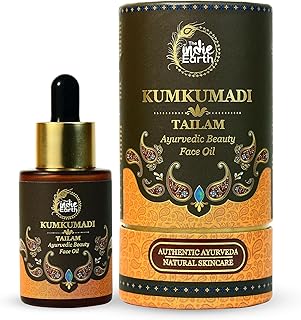

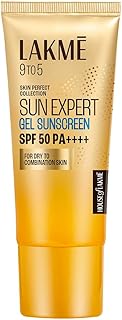

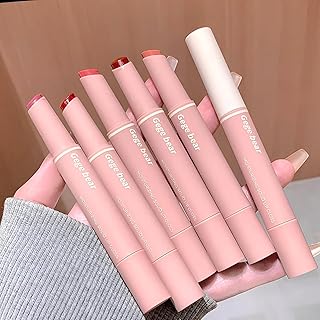


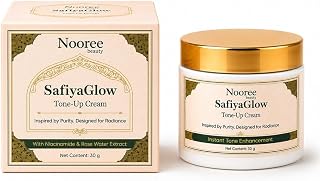


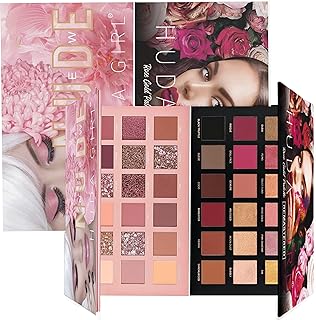

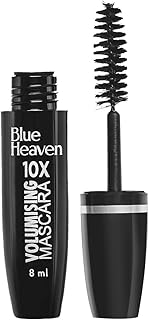


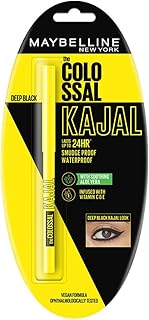




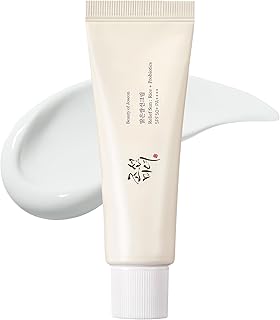

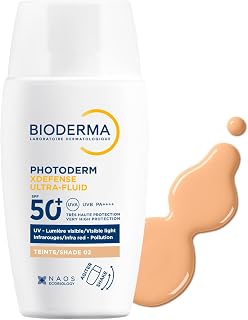


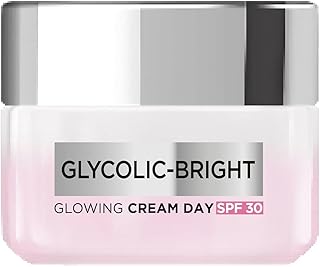


Choosing beauty products in India is no longer simply about selecting the most popular brand or the product with the highest number of ratings. Skin type, hair type, climate, ingredient preferences, usage frequency, formulation, packaging, authenticity and value for money can all affect whether a product is suitable for an individual buyer. A product that works well for one person may be unsuitable for another, particularly when skin sensitivity, oily or dry skin, pigmentation concerns, acne-prone skin, curly or chemically treated hair, or exposure to heat and humidity are involved.
This buying guide is designed to make commercial comparison easier by focusing on the factors that matter before purchasing beauty products in India. Brands such as L'Oréal Paris, Maybelline New York, Lakmé, Minimalist, Mamaearth, The Derma Co, Cetaphil, Neutrogena, Dove, Nivea, Re'equil and Plum cover different segments of the Indian beauty market, but brand recognition alone should not determine a purchase. Always compare the exact product, formulation, size, ingredients, directions and current customer feedback before ordering.
A worthwhile beauty product should have a clear purpose, an appropriate formulation and specifications that match the buyer's needs. The most expensive option is not automatically the best, and a budget product is not necessarily inferior. The right choice depends on the category and the problem the product is intended to address.
A cleanser should remove sweat, excess oil, sunscreen, makeup and everyday impurities without leaving the skin unnecessarily uncomfortable or excessively dry. Buyers with oily skin often look for lightweight or gel-based formulations, while people with dry or sensitive skin may prefer gentler cleansing products.
Ingredients and formulation matter more than the words “deep clean” or “glow” on the packaging. If a cleanser causes persistent tightness, burning or irritation, it may not be a good match even when it performs well for removing oil.
Moisturisers help support the skin barrier and reduce the uncomfortable feeling associated with dryness. Gel textures can be attractive for people who dislike heavier products, while creams and richer formulations may be more suitable for dry skin.
When comparing moisturisers, check whether the formula is intended for the face, body or both, and consider whether it works comfortably underneath sunscreen or makeup. Fragrance preferences, finish and packaging can also influence long-term satisfaction.
Sunscreen deserves particular attention in an Indian beauty routine because daily outdoor exposure can occur throughout the year. Compare the labelled SPF and broad-spectrum or UVA/UVB protection information, texture, finish, water-resistance claims where relevant, and whether the product is comfortable enough to apply consistently.
People frequently avoid sunscreen because of heaviness, white cast, pilling or an uncomfortable finish. For that reason, cosmetic elegance and ease of reapplication can be almost as important to practical usefulness as the headline protection rating.
Serums are available for concerns such as hydration, uneven-looking skin tone, acne-related concerns and visible signs of ageing. The ingredient list should be examined carefully because two products marketed for the same concern can contain very different active ingredients and concentrations.
More active ingredients do not automatically mean better results. New products should be introduced thoughtfully, particularly when a buyer already uses exfoliating acids, retinoid-based products or other potentially irritating treatments.
Foundation, concealer, lipstick, mascara, eyeliner, blush and other cosmetics require a different comparison approach from skincare. Shade accuracy, undertone, finish, coverage, longevity, transfer resistance and ease of removal can all matter.
Foundation buyers should compare shade descriptions and undertones rather than selecting a shade based only on a product photograph. Indian skin tones cover a wide range, so checking several customer photographs and the manufacturer's shade information can reduce the risk of an unsuitable match.
Shampoo, conditioner, hair masks, leave-in products and styling products should be evaluated according to hair characteristics rather than popularity alone. Fine hair may become weighed down by rich products, whereas dry, curly or chemically treated hair may require more conditioning.
Look at the complete routine rather than treating shampoo as an isolated purchase. A suitable conditioner or treatment can sometimes have a greater effect on manageability than repeatedly changing shampoos.
Body lotions, body washes, hand creams, deodorants and other personal-care products vary substantially in fragrance, texture and intended use. For dry skin, buyers may prioritise moisturising ingredients and richer textures. For hot and humid conditions, a lighter texture may feel more comfortable during daytime use.
Oily skin often benefits from products that feel lightweight and do not leave an unnecessarily heavy finish. However, aggressive cleansing solely to remove oil can be counterproductive for comfort. Look for products that balance effective cleansing with tolerability.
Dry skin generally calls for greater attention to moisturising and barrier-supportive products. Creamier textures may be preferable, particularly during dry weather or when the skin feels tight after cleansing.
Combination skin can require a compromise between areas that become oily and areas that feel dry. A lightweight moisturiser can be useful for the whole face, with additional moisturisation applied selectively where needed.
Sensitive skin requires a cautious approach to new products. Fragrance, essential oils, strong exfoliating ingredients and multiple active ingredients may not be comfortable for everyone. Introduce one significant new product at a time so that unwanted reactions are easier to identify.
Acne-prone consumers should avoid choosing products solely on the promise of “oil control” or “pore cleansing.” Check the complete formulation, use products according to their instructions and avoid creating a routine with too many potentially irritating active ingredients.
India has substantial regional variation in temperature, humidity and seasonal conditions. A skincare or hair-care routine that feels comfortable in a dry northern winter may feel excessively rich in a hot, humid coastal environment.
During hot weather, lightweight textures, comfortable sunscreen finishes and products that do not feel excessively occlusive may be preferable. In dry winter conditions, richer moisturisation may become more appealing. Buyers should therefore consider local climate as well as skin type when comparing products.
Humidity can also affect makeup wear and hair styling. Long-wear cosmetics, lightweight moisturisers and suitable hair products may be more practical for consumers who spend considerable time outdoors in warm conditions.
The ingredient list is one of the most useful pieces of information available to a buyer, but it should be interpreted in context. A single ingredient does not determine whether an entire formula will suit an individual.
Do not assume that an ingredient is beneficial simply because it is trending, or harmful simply because its name sounds unfamiliar. The concentration, formulation, intended use and individual tolerance all matter.
Packaging affects hygiene, convenience and product longevity. Pump bottles can be convenient for lotions and cleansers, while tubes may be practical for creams. Some formulations can be more vulnerable to repeated exposure to air or light, making packaging an important consideration.
Travel size, refill options, pump mechanisms, dropper bottles and jar packaging each have different advantages. A buyer who uses a product every day may prefer a dispenser that makes consistent application easy, whereas occasional users may prioritise compact packaging.
The lowest listed price is not necessarily the lowest cost over time. Compare the quantity, expected frequency of use and amount required per application. A larger pack may offer better value only if the product remains suitable and is used before its recommended period after opening or expiry.
Also compare product concentration and formulation where reliable information is available. Two products with similar prices and different pack sizes cannot be compared fairly without considering how much product is actually provided.
Customer reviews can provide valuable information about texture, scent, packaging, shade accuracy, application and real-world usability, but they should not be treated as scientific evidence. Individual experiences can differ considerably.
Social media popularity can increase awareness, but popularity does not guarantee compatibility. Use trends as a starting point for research rather than as the final purchasing criterion.
A routine containing numerous treatment products can become unnecessarily complicated and may increase the possibility of irritation. A simple routine that can be followed consistently is often easier to evaluate.
Brands frequently sell multiple versions of a cleanser, moisturiser, foundation or shampoo. Check the exact variant, size, finish, skin type and formulation before comparing reviews or prices.
Lighting, camera settings, makeup, filters and other variables can alter the appearance of skin and hair. Photographs should not be considered proof that a product will deliver the same result for every consumer.
Beauty products should be stored according to the manufacturer's directions. Buyers should check expiry information and, where applicable, the recommended period after opening.
Plant-derived and naturally sourced ingredients can still cause irritation or allergic reactions. “Natural” is not a substitute for checking formulation suitability and individual tolerance.
When purchasing beauty products online, retailer selection matters. Compare established marketplaces and authorised or reputable sellers where possible. Check the seller information, product packaging, manufacturer details, batch information and other applicable labelling before using a product.
Be particularly cautious of unusually low prices when the discount appears inconsistent with normal market pricing. A bargain is not worthwhile if the product's authenticity or condition cannot be established.
For cosmetics and personal-care products, buyers should also pay attention to applicable Indian labelling requirements and product information. When in doubt about a product's authenticity, discontinue use and seek clarification from the manufacturer or retailer rather than relying on online speculation.
Different brands have different strengths, product ranges and price positions. Rather than declaring one brand universally superior, compare the individual product and its intended purpose.
The best brand for one category may not be the best choice for another. Always compare the exact product specification rather than judging an entire brand from one product.
Consumers building a routine for the first time do not necessarily need a large collection of products. A basic skincare routine may consist of a suitable cleanser, moisturiser and sunscreen, while additional products can be introduced according to a specific need.
Makeup buyers can similarly start with the products they actually use most often rather than purchasing a large collection based on trends. Hair-care routines should be built around the condition and styling requirements of the hair.
This approach makes it easier to determine which products are useful and reduces the risk of spending money on items that remain unused.
Keep the routine understandable. When several products are introduced simultaneously, it becomes difficult to determine which product is responsible for a positive or negative change. Introducing products individually gives consumers a clearer basis for evaluation.
Consistency is also important. Constantly switching products because of social-media trends can make a routine unnecessarily expensive and complicated. Compare alternatives carefully, select products that meet your requirements and reassess them when your skin, hair, climate or lifestyle changes.
For products containing potent active ingredients, follow the manufacturer's usage instructions rather than increasing frequency simply because faster results are desired. If a product causes significant or persistent irritation, stop using it and seek appropriate professional advice.
Focus on formulation, quantity and everyday usability. Affordable products from established brands can be perfectly reasonable choices when their ingredients and specifications meet the intended need.
This segment offers more room to compare texture, specialised formulations, packaging and targeted ingredients. The additional cost should provide a meaningful benefit for the particular consumer rather than simply a more premium appearance.
Higher-priced products may offer specialised formulations, luxury textures, distinctive packaging or premium positioning. However, price should still be evaluated against ingredients, quantity and practical benefits.
There is no universal list, because requirements vary by individual. For many skincare routines, basic cleansing, moisturising and sun protection are more fundamental than a large collection of specialised treatments. Makeup and hair-care requirements depend on personal preferences and lifestyle.
No single brand is best for every beauty category or every consumer. Compare the exact formulation, ingredients, intended use, reviews, quantity and price before selecting a product.
Not necessarily. A higher price can reflect formulation, packaging, brand positioning or other factors, but price alone does not establish superior performance. Compare measurable product characteristics and suitability for your needs.
Consider your local temperature and humidity as well as your skin type. Lightweight products may feel more comfortable in hot or humid conditions, while richer moisturising products can be useful when weather is dry or the skin feels tight.
Ratings are useful as one comparison signal, but they should not be the only factor. Read detailed verified reviews, look for recurring patterns and make sure the feedback relates to the exact product variant you are considering.
Prefer reputable retailers and examine seller information, packaging, labelling and manufacturer details. Be cautious about prices that appear unusually low and avoid using products when authenticity or product condition is questionable.
Compatibility depends on the specific ingredients, concentrations and individual's skin tolerance. Combining numerous active products can increase irritation risk. Follow the manufacturer's directions and introduce new products cautiously.
Replacement depends on the product, its expiry information, storage conditions and recommended period after opening where applicable. Do not continue using products beyond the manufacturer's stated safety or freshness guidance.
No. Natural and synthetic ingredients can both be suitable or unsuitable depending on the formulation and individual sensitivity. Evaluate the complete ingredient list and product directions instead of relying on the term “natural.”
Beauty products, formulations, packaging and retailer listings can change over time. For purchases in August 2026 and throughout the rest of 2026, verify the latest specifications, customer feedback, seller information and current pricing before placing an order.
The best beauty product in India is ultimately the one that matches the buyer's specific needs rather than the one with the most impressive marketing claim. Use product specifications, ingredients, verified customer feedback, quantity, usability and current retailer information to make a balanced comparison.
Before purchasing, compare several suitable alternatives rather than choosing the first popular result. Check the exact variant, consider India's climate and your own skin or hair characteristics, and prioritise products that you can use consistently. This approach makes it easier to identify genuinely useful beauty products while avoiding unnecessary purchases and trend-driven spending.