

♥ Wishlist
Compare 57 verified Circular Saws for Accurate Cutting in India products in India. Reviews, ratings, pros, cons and buying advice updated for October 2026.


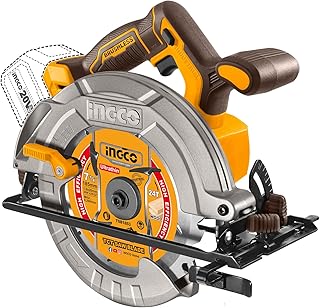

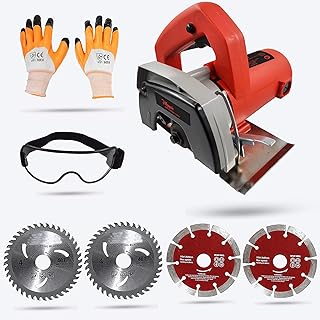
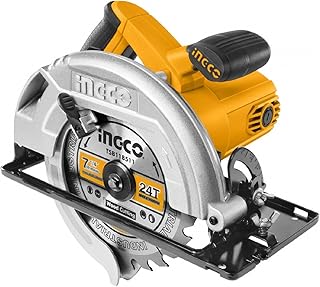


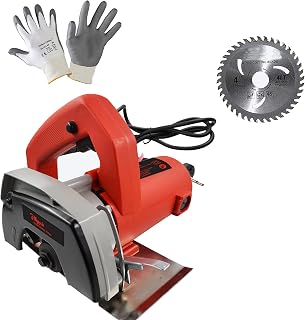

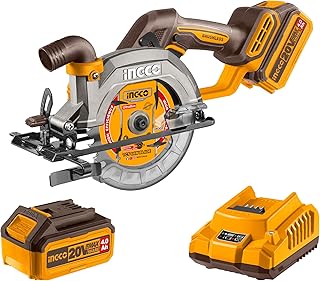


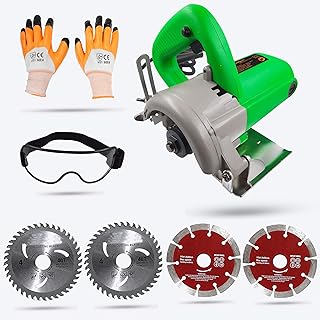

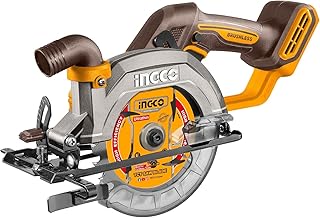


Choosing a circular saw is less about finding the most powerful motor and more about matching the saw to the material, cutting depth, frequency of use and working environment. A homeowner making occasional straight cuts in plywood has very different requirements from a carpenter, furniture maker, interior contractor or workshop professional who may use a saw for several hours each week.
When comparing circular saws in India, consider the complete combination of motor power, blade diameter, maximum cutting depth, bevel adjustment, cutting visibility, safety features, ergonomics, dust management and availability of compatible blades. A model that looks impressive on a specification sheet may not be the best choice if it is unnecessarily heavy, difficult to control or poorly suited to the thickness and material you normally cut.
A circular saw is designed primarily for fast, relatively straight cuts through sheet goods, timber and other compatible materials. It can be useful for construction, carpentry, furniture work, renovation projects, shelving, doors, framing and general woodworking.
A circular saw is not automatically the right tool for every cut. For intricate curves, a jigsaw is generally more appropriate; for extremely precise repetitive woodworking, a table saw or track-saw setup may offer better control; and for very small finishing cuts, another tool may be more practical.
Motor power is one of the most visible specifications, but it should not be considered in isolation. Higher electrical input can provide greater capacity for demanding work, yet real-world cutting performance also depends on blade quality, motor design, gearing, load management and the material being cut.
For occasional household woodworking, an extremely high-powered professional machine may add unnecessary weight and cost. For frequent cutting of thicker hardwood or construction timber, additional power can be useful because the motor is less likely to struggle when the blade encounters greater resistance.
Compare motor power alongside cutting capacity and intended duty cycle rather than treating wattage as a simple performance ranking.
Blade diameter directly affects the maximum depth a circular saw can normally cut. Common categories include compact saws intended for lighter work and larger saws designed for greater cutting capacity.
A larger blade is not automatically better. It can make the tool larger and heavier, while a compact saw may be easier to control during extended work. Choose a blade size that comfortably covers the thicknesses you expect to cut rather than buying the largest format available.
Check the manufacturer's specified cutting depth at both 90 degrees and, where applicable, 45 degrees. Bevel cutting generally reduces the maximum depth compared with a straight 90-degree cut.
If you regularly cut thick boards, do not estimate capacity from blade diameter alone. The published cutting-depth specification is the more useful figure for comparing models.
A bevel function allows the base plate to be tilted for angled cuts. This is particularly useful for framing, trim-related work, furniture construction and projects requiring repeatable angled joints.
When comparing bevel systems, look beyond the maximum angle. A useful design should allow the angle to be set, locked and adjusted without excessive effort. Clear markings and a stable locking mechanism can make repeated adjustments easier.
Blade speed influences how the saw behaves in different materials, but the fastest specification is not necessarily the best specification for every application. The appropriate blade type, tooth geometry and material compatibility are equally important.
Always use blades designed for the material and saw configuration. A blade intended for rough timber cutting can produce a very different result from a fine-finish woodworking blade, even when used on the same saw.
If you only expect to cut plywood, boards or timber occasionally, prioritize manageable weight, straightforward controls, adequate cutting depth and comfortable handling. A compact corded model can be a sensible choice where continuous mains power is available.
There is little benefit in paying for professional-level capacity that you will rarely use. A reliable saw with a suitable blade and good visibility of the cutting line may be more useful than a heavier high-capacity machine.
Frequent users should pay closer attention to ergonomics, base-plate rigidity, adjustment mechanisms, trigger operation, dust extraction and long-term availability of blades and accessories.
Brands such as Bosch, Makita, DEWALT, Stanley, BLACK+DECKER, HiKOKI and INGCO are among the names buyers may encounter when comparing power tools in India. Individual models can differ substantially, so brand reputation should not replace model-level specification checking.
Professional users generally need a tool that can tolerate regular use while remaining predictable and controllable. Cutting capacity, motor performance under load, build quality, adjustment durability, power-cord design and service considerations become more important when the saw is used frequently.
A professional buyer should also consider downtime. A slightly more expensive tool may be preferable if compatible blades and important replacement components are easier to source through established channels.
Portability becomes particularly important when material is cut at different locations. A cordless circular saw can eliminate the need for a power cable, while a corded model can provide continuous operation without battery charging interruptions.
For cordless tools, compare the battery platform, battery cost, charger requirements and compatibility with other tools you already own. The advertised tool price alone may not represent the complete cost of a cordless setup.
Neither configuration is universally superior. For a workshop with dependable electrical power, a corded model can be highly practical. For installation work, remote jobs or frequent movement between cutting locations, cordless operation may justify the additional battery-system cost.
One of the most common buying mistakes is focusing heavily on the machine while overlooking the blade. The blade determines much of the interaction between the saw and the material.
Lower-tooth-count blades are commonly associated with faster, rougher cuts, while higher-tooth-count designs can provide cleaner cuts in appropriate materials. The ideal choice depends on the material, thickness, grain direction and desired finish.
Kerf refers to the width of material removed by the blade. A thinner kerf can reduce the amount of material removed and may require less cutting effort, while blade rigidity and application suitability must also be considered.
Do not assume that a blade suitable for timber is appropriate for every sheet material. Engineered boards, laminated panels and other materials may require blades specifically designed for their composition and desired finish.
A dull or damaged blade can make a good circular saw feel underpowered. Increased resistance, poor cut quality, burning, excessive vibration and difficulty maintaining the cutting line can all indicate that the blade needs inspection or replacement.
A circular saw can make excellent straight cuts, but accuracy depends heavily on technique and work setup. The saw itself is only one part of the system.
For repeatable cuts, consider whether the model can be used effectively with a straightedge, guide rail or compatible guide system. A rigid base plate and clearly visible reference marks can also make it easier to follow a predetermined cutting path.
When cutting large plywood sheets, supporting the workpiece correctly is especially important. Unsupported sections can move or pinch the blade, making the cut harder to control and potentially creating a dangerous operating condition.
A circular saw is a handheld cutting tool, so physical handling matters. Two machines with similar specifications can feel very different during use because of their weight distribution, handle shape and control placement.
Safety should be a primary selection criterion rather than an afterthought. Look for appropriate guarding, secure controls and a design that allows the operator to maintain stable two-handed control where the tool configuration requires it.
A functioning lower blade guard is particularly important. Never operate a circular saw if a safety guard is damaged, stuck or improperly functioning.
Other useful design considerations include a secure power switch arrangement, stable base construction, effective blade locking during blade changes and clear operating instructions.
Always disconnect the saw from its power source before changing a blade or performing maintenance. For cordless models, remove the battery when the manufacturer's instructions require isolation from the power source.
Wood dust can accumulate quickly during circular-saw work. A dust outlet or extraction connection can make workshop cleanup easier and may improve visibility around the cutting area.
Dust management should be considered alongside the type of workspace. A workshop with suitable extraction equipment may benefit more from a compatible dust port than a basic household setup. Where extraction is used, make sure the connection is compatible with the available equipment and does not interfere with safe handling.
Appropriate respiratory and eye protection may also be necessary depending on the material and working environment. Material-specific hazards should be considered before cutting engineered boards, treated materials or anything other than ordinary compatible woodworking stock.
Online product pages can make comparison convenient, but buyers should examine the complete specification rather than relying on the product title or a single headline feature.
High wattage does not automatically mean better cutting results. Blade suitability, cutting capacity, control and construction quality all matter.
A saw that cannot comfortably cut the thickness of your typical material will be frustrating regardless of its other specifications.
Oversized equipment can be unnecessarily heavy for occasional users. Match capacity to your actual projects.
A poor or inappropriate blade can compromise cut quality and make the machine appear less capable than it is.
Consider recurring costs such as blades and, for cordless systems, batteries. The initial purchase price is only part of the ownership equation.
Some packages can differ in included blades, wrenches, guides, dust adapters, batteries or chargers. Check the exact package before making a comparison.
A useful comparison should prioritize the specifications that affect your actual work rather than simply counting features.
The distinction between professional and DIY tools is primarily about intended workload and design priorities rather than simply appearance or brand name.
A DIY-focused circular saw can be perfectly adequate for occasional shelves, basic repairs and periodic woodworking. A professional tool is more likely to emphasize durability, ergonomics, adjustment quality and consistent operation under frequent use.
For an occasional user, spending substantially more on professional capacity may not produce meaningful benefits. Conversely, using a lightweight DIY-oriented machine for demanding daily work may lead to frustration and faster wear.
Routine care can help maintain performance and identify problems before they become serious.
Cut quality depends on more than the saw. Mark the cut accurately, support the workpiece securely and allow the blade to reach its intended operating speed before entering the material where the manufacturer's instructions require it.
Use a blade appropriate for the desired finish. Avoid forcing the saw through the material. Excessive feed pressure can increase resistance and reduce control.
For sheet goods where the visible face is particularly important, test the blade and cutting direction on a scrap piece first. This can help establish whether the selected blade and technique produce the desired edge quality.
Tear-out is influenced by blade tooth geometry, blade condition, feed rate, cutting direction and material construction. A blade intended for cleaner sheet-material cuts can often produce better results than a general-purpose rough-cut blade.
Supporting the sheet properly is equally important. A large panel that flexes during cutting can make the blade harder to control and increase the chance of an uneven edge.
For premium furniture panels, consider whether a guide-based cutting setup would provide better repeatability than relying solely on the saw's built-in markings.
Before buying, consider the type of work you actually perform.
The best tool is therefore the one that fits the cutting task, not necessarily the one with the longest specification list.
Customer reviews can provide useful information, but they should be interpreted carefully. Give more weight to reviews that identify the exact model and explain the material, workload and circumstances involved.
Look for recurring observations about handling, cutting accuracy, blade changes, durability, dust collection and ease of adjustment. A complaint about battery runtime is more meaningful when the reviewer identifies the battery capacity and workload.
Likewise, a review praising cutting performance is difficult to compare if the reviewer does not explain the material or blade used. Reviews should supplement, rather than replace, the manufacturer's specifications.
The purchase price is only one component of the cost of owning a circular saw. Budget for consumables and accessories that are appropriate for your intended work.
A moderately priced saw with readily available accessories can sometimes be more practical over its useful life than a cheaper tool for which suitable consumables are difficult to source.
Well-known power-tool manufacturers can provide a useful starting point when researching circular saws, but the exact model remains the most important comparison unit. Bosch, Makita, DEWALT, Stanley, BLACK+DECKER, HiKOKI and INGCO offer different tool ranges and configurations, so buyers should compare the specifications of individual models rather than assuming every product from one brand is suitable for the same application.
When comparing brands, examine the availability of compatible blades, batteries where relevant, accessories, service information and model documentation in addition to the advertised performance.
Indian users may encounter significant differences in working environments, from small home workshops to construction sites and professional fabrication spaces. Consider the amount of dust, access to electrical power, portability requirements and the type of material commonly available in your area.
For household use, compactness and ease of handling can be particularly valuable. For professional work, durability, serviceability and consistent cutting performance may justify prioritizing a more robust platform.
Always verify the exact electrical specifications and manufacturer's instructions for the model intended for use in India. Do not assume that an imported version has identical specifications, accessories or support arrangements to a model marketed for the Indian market.
There is no single best circular saw for every Indian buyer. The right choice depends on cutting depth, material, frequency of use, power preference, portability and budget. Compare the exact specifications of shortlisted models before deciding.
Yes. Circular saws are commonly suitable for plywood when used with an appropriate blade, secure work support and controlled cutting technique. A blade selected for cleaner sheet-material cuts can be preferable when edge quality matters.
Neither is universally better. Cordless models offer mobility, while corded models provide continuous operation without battery charging. The better option depends on where and how frequently you work.
The appropriate power level depends on the material and workload. Occasional light-duty work does not necessarily require the highest-powered machine, while frequent cutting of thicker or harder material can benefit from greater capacity.
Use a blade specifically compatible with the saw and appropriate for the material and desired cut. Consider diameter, arbor compatibility, tooth count, tooth geometry and intended application.
Many circular saws can cut suitable hardwood when their specified capacity and blade are appropriate for the material. Feed the tool at a controlled rate and avoid forcing it through the workpiece.
Models with an adjustable bevel base can make angled cuts within their specified bevel range. Cutting depth normally changes when the blade is tilted, so check the manufacturer's stated capacity at the desired angle.
A circular saw can be used by a beginner who has learned the manufacturer's operating instructions and follows appropriate safety practices. Because the blade is exposed during cutting, beginners should prioritize controlled setup, secure workpiece support and safe handling rather than speed.
There is no universal replacement interval. Blade life depends on material, frequency of use, blade quality, cutting technique and whether the blade has been damaged. Replace or professionally service a blade when it becomes unsuitable or unsafe for the intended application.
Check the exact model number, cutting depth, blade diameter, power source, bevel capability, included accessories, electrical specifications, manufacturer information and compatibility with replacement blades. For cordless tools, confirm whether batteries and chargers are included.
No. A more expensive model may provide features or construction suited to professional workloads, but those advantages may not matter to an occasional DIY user. The best value comes from matching the tool to the actual workload.
Before choosing among circular saws, make a final comparison based on the factors that directly affect your projects:
For an August 2026 purchase decision, compare the latest specifications, package contents, retailer information and customer feedback for the exact model rather than relying solely on an older product listing or a generic brand comparison. Specifications, included accessories, availability and pricing can change, so verify those details immediately before purchasing.